5 min read
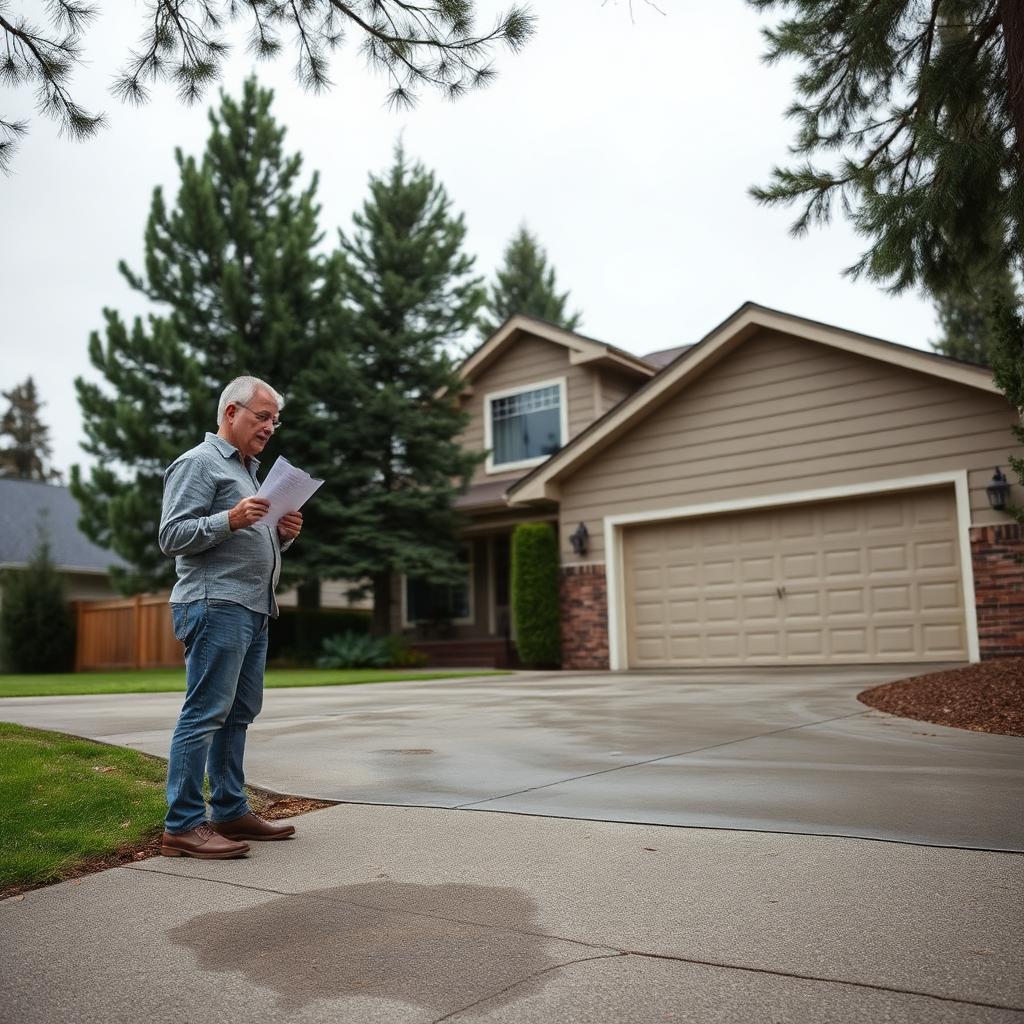
Does Homeowner's Insurance Cover Concrete Settlement?
Learn how homeowner's insurance may apply to concrete settlement, what Spokane homeowners should review in their policy, and why every claim is different.

Learn why concrete settles in Spokane, common warning signs, repair options, seasonal maintenance tips, and practical guidance for protecting your driveway, sidewalks, patios, and other concrete surfaces.
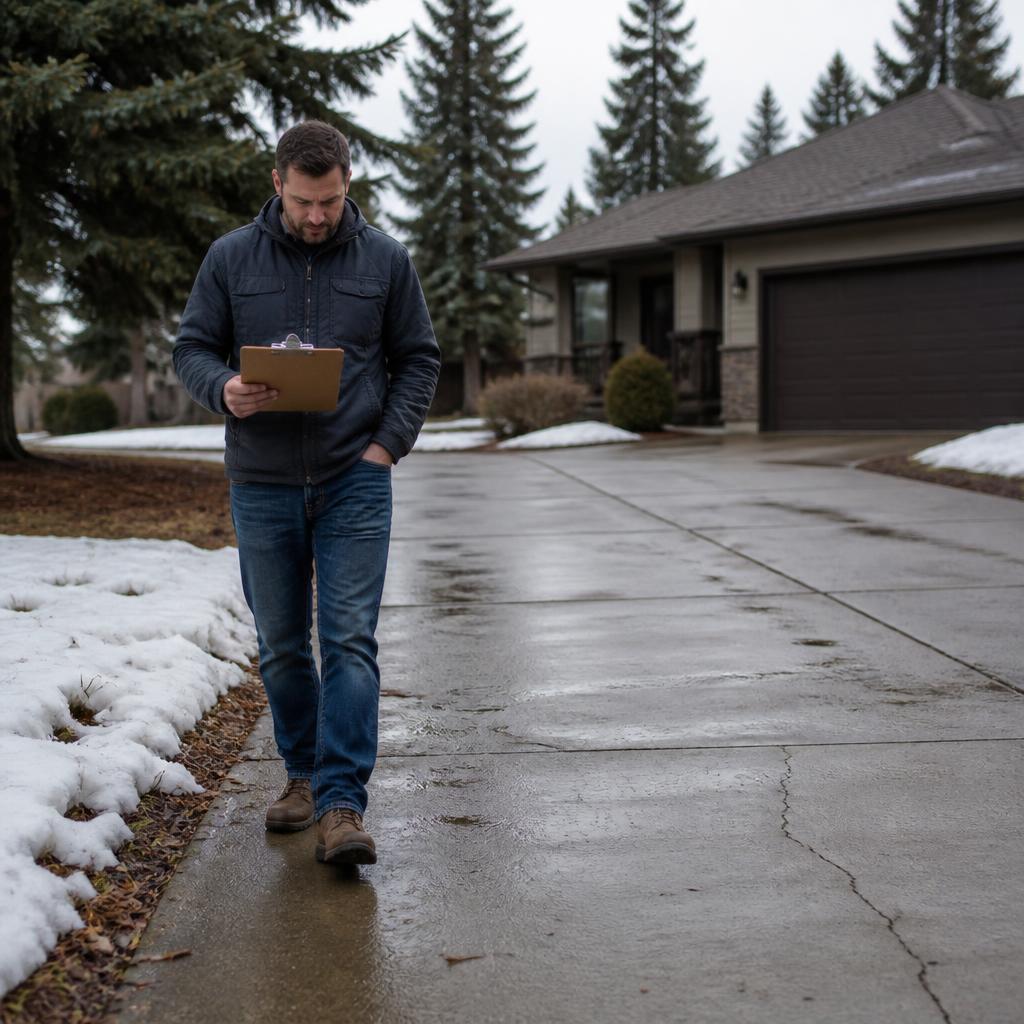
If you've noticed your driveway collecting water, a sidewalk becoming uneven, or your patio no longer sitting level, you're not alone.
Throughout Spokane, homeowners experience concrete settlement for a variety of reasons, including changing soil conditions, seasonal moisture, freeze-thaw cycles, drainage patterns, and the natural aging of outdoor concrete.
The good news is that uneven concrete doesn't automatically mean replacement is necessary.
Many concrete surfaces remain structurally sound and may be suitable for concrete leveling, depending on their condition and the cause of the settlement. If you're weighing timing, see Should You Repair Uneven Concrete Now or Wait?.
This guide brings together the most important information every Spokane homeowner should know about concrete settlement, maintenance, and repair options.
Concrete itself is remarkably durable.
What often changes over time is the soil supporting it.
Throughout Spokane, common contributing factors include:
Because these conditions change gradually, settlement often develops slowly over many years.
For a deeper explanation, see Why Concrete Sinks in Spokane. Tree roots are also a common contributor — read more in Can Tree Roots Cause Concrete to Settle or Crack?.
Many homeowners first notice:
Recognizing these signs early allows homeowners to better monitor changes over time.
Related articles: Spring Concrete Inspection Checklist, How to Spot Trip Hazards Around Your Spokane Home, and When Should You Be Concerned About Cracks in Concrete?.
Concrete settlement may occur on:
Each area experiences different traffic patterns, drainage conditions, and exposure to Spokane's weather. Depending on the surface, homeowners often explore driveway leveling, sidewalk leveling, or patio leveling. Businesses and property managers may look into commercial concrete leveling.
Depending on the condition of the slab, possible repair approaches may include:
Often used to lift structurally sound concrete by filling voids beneath the slab.
A traditional lifting method using a cement-based slurry.
Sometimes appropriate when concrete has significant structural deterioration or damage.
Every property is unique, so repair recommendations should be based on the condition of the concrete and the underlying cause of the movement. It's also worth distinguishing surface settlement from deeper structural concerns — see Is It Foundation Settlement or Just Uneven Concrete?.
See also: Concrete Leveling vs. Replacement and What Happens During a Concrete Leveling Estimate?. To get ready ahead of time, review How to Prepare Your Property for a Concrete Leveling Project.
Outdoor concrete throughout Spokane experiences:
These changing conditions continually influence soil moisture and drainage.
Routine inspections after winter are one of the best ways to monitor changes. Learn more in How Spokane Winters Affect Concrete and the Fall Concrete Maintenance Checklist.
Simple maintenance habits include:
These habits help homeowners recognize gradual changes before they become more significant.
Additional resources: 10 Ways Spokane Homeowners Can Help Prevent Concrete Settlement, 7 Common Drainage Mistakes That Can Lead to Concrete Settlement, What Are Expansion Joints and Why Do They Matter?, and Why Water Is Pooling on Your Driveway.
Concrete is a long-term investment, and how it's maintained can influence both appearance and property value. Learn more in Can Uneven Concrete Affect Your Home's Value? and How Long Should a Concrete Driveway Last in Spokane?.
For businesses, HOAs, and community managers, similar principles apply to shared surfaces. See Commercial Sidewalk and Walkway Maintenance for Spokane Businesses and the HOA Guide to Sidewalk and Common Area Concrete Maintenance.
No. Many structurally sound slabs may be candidates for concrete leveling depending on the condition of the concrete and the underlying cause of the settlement.
Seasonal weather, changing soil moisture, drainage, freeze-thaw cycles, and natural ground movement all contribute over time.
Standing water may indicate changing drainage or concrete settlement and is worth monitoring.
Yes. Spring and fall are excellent times to inspect outdoor concrete and compare photographs from previous years.
Regular inspections and good drainage practices help homeowners understand how their property changes over time and identify developing issues early.
Concrete settlement is a common part of homeownership throughout Spokane.
Understanding why it happens, recognizing early warning signs, maintaining proper drainage, and learning about available repair options can help homeowners make informed decisions about protecting their property.
Whether you're concerned about a driveway, sidewalk, patio, garage floor, or another concrete surface, becoming an informed homeowner is the best first step.
For more detailed information, explore the Spokane Learning Center, where you'll find additional articles covering seasonal maintenance, drainage, freeze-thaw cycles, tree roots, trip hazards, home value, contractor selection, and many other concrete-related topics. When you're ready for a professional evaluation, contact Spokane Concrete Leveling to schedule an estimate.
Think Your Concrete May Qualify for Lifting?
Free on-site inspection · Fixed written quote · No obligation
Related services
Get a local estimate
Keep reading
Learn how homeowner's insurance may apply to concrete settlement, what Spokane homeowners should review in their policy, and why every claim is different.
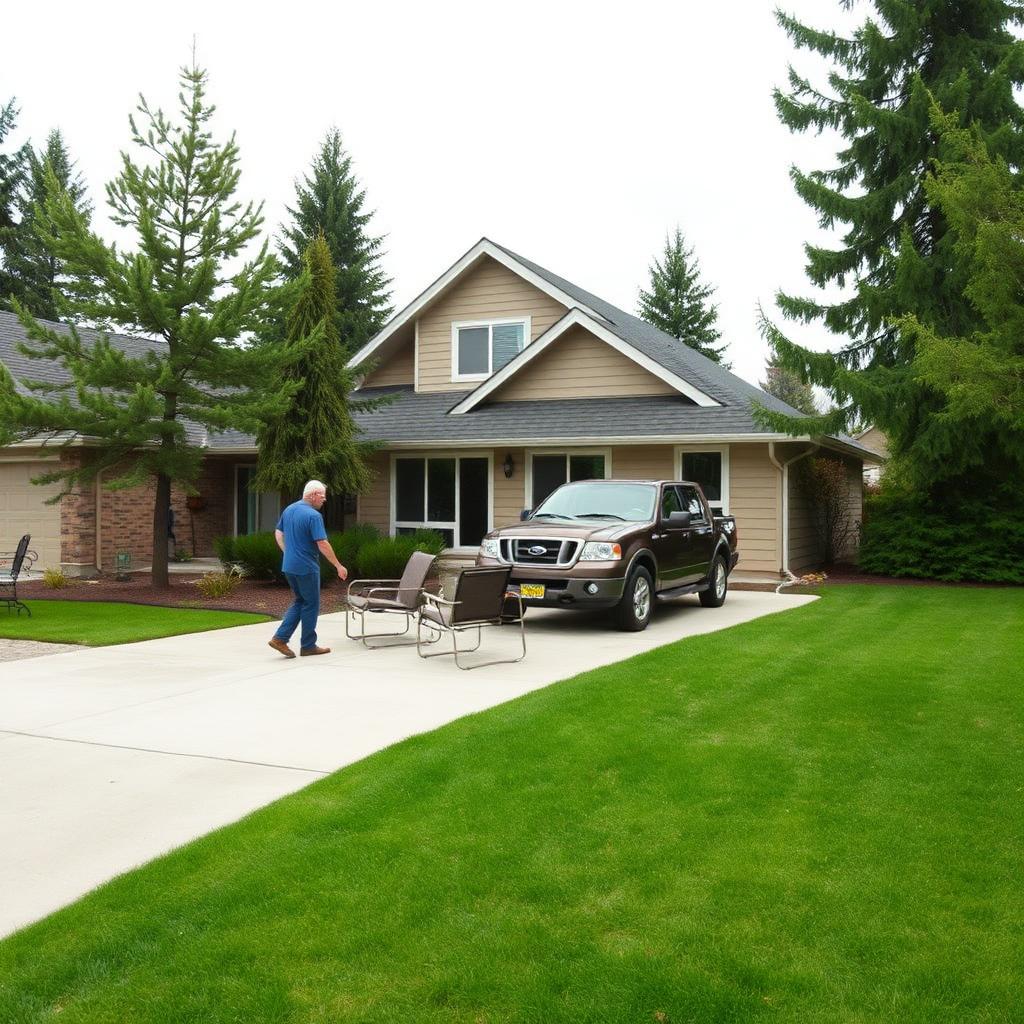
Learn how Spokane homeowners can prepare for a concrete leveling project, including simple steps to take before the work begins.
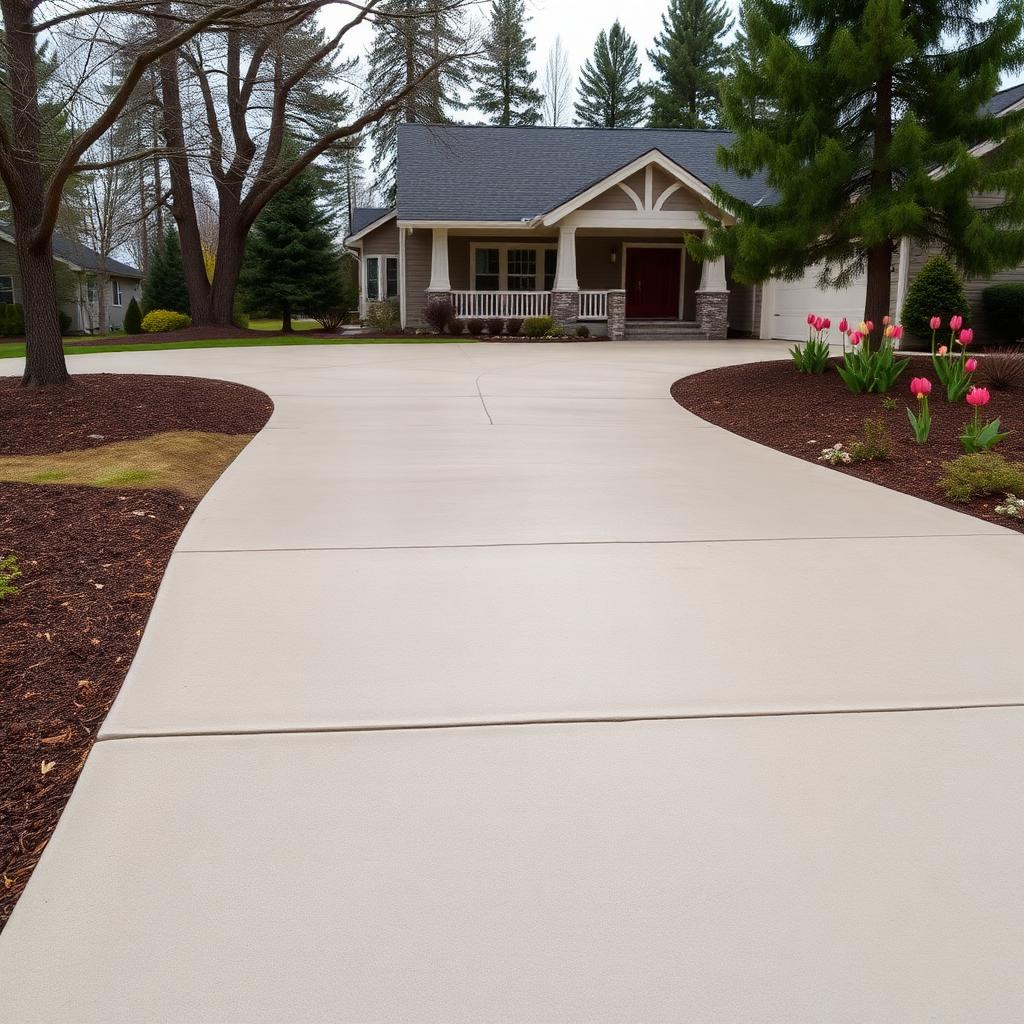
Learn what affects the lifespan of a concrete driveway in Spokane, including weather, drainage, maintenance, and soil conditions.
Have questions about your concrete? Need advice? Want a free estimate? We're here to help. Concrete leveling saves the slab you already have, at a fraction of the cost of replacement.
Free Estimates · Spokane-Focused Service · Clear Recommendations