5 min read
Sidewalk Trip Hazards: What Every Property Owner Should Know
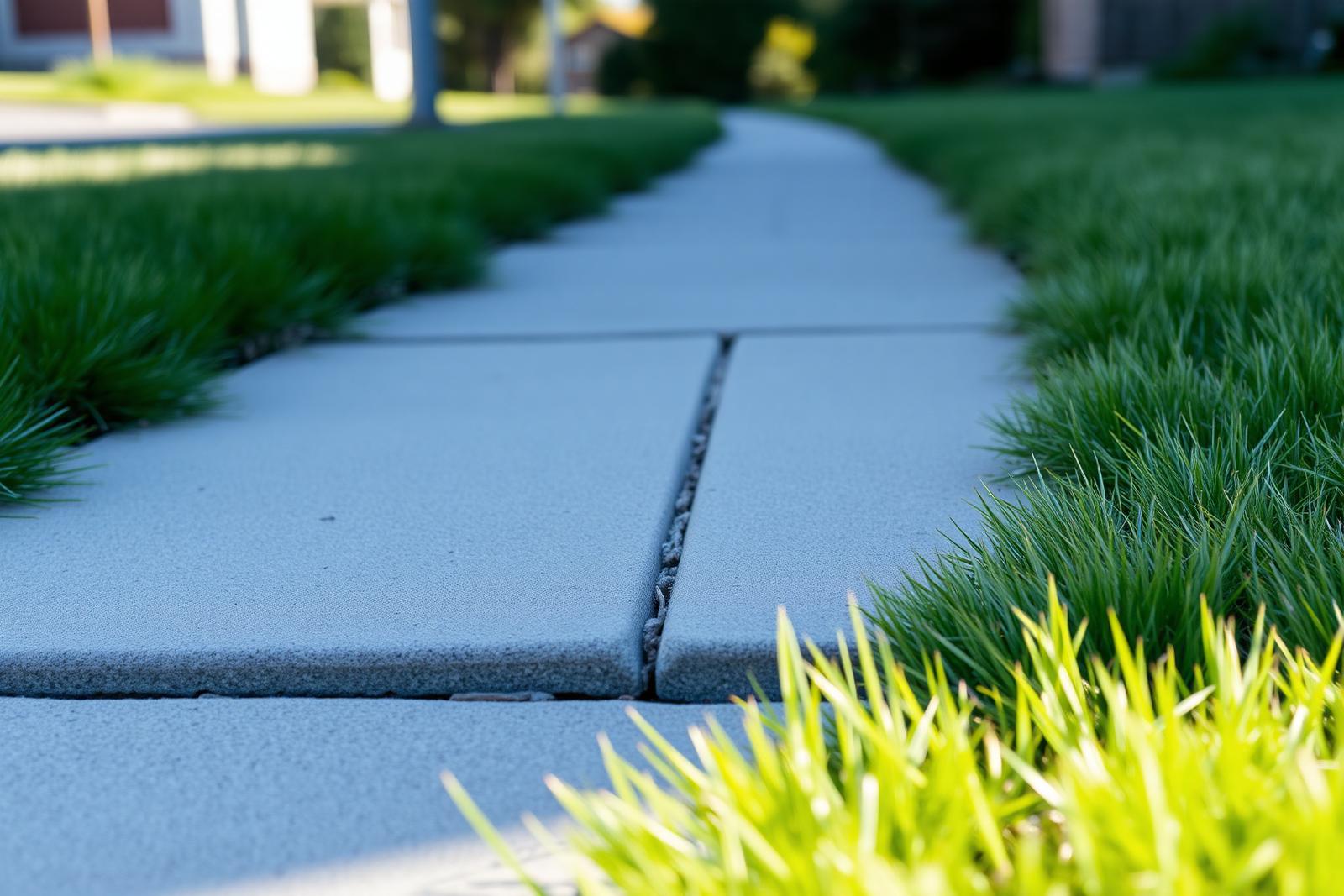
A ½-inch vertical difference is enough to be a legal trip hazard in most Spokane-area jurisdictions. Here's how to identify, prioritize and fix them.
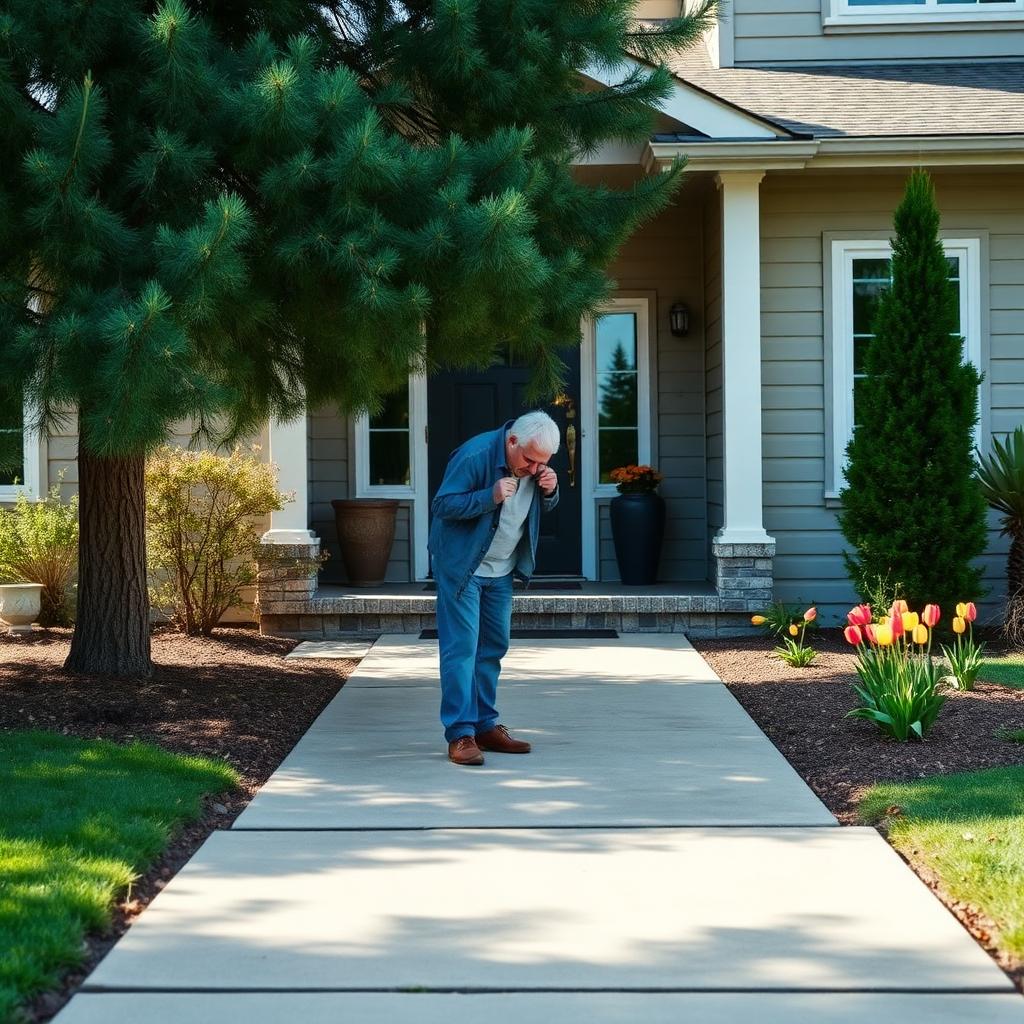
Learn how Spokane homeowners can identify common concrete trip hazards around driveways, sidewalks, patios, and walkways before they become larger safety concerns.
Many homeowners don't notice a trip hazard until someone catches a foot on it.
Uneven concrete often develops gradually, making small changes difficult to recognize during everyday routines. What starts as a slight difference in height between two concrete slabs may become more noticeable over time as weather, drainage, and soil conditions continue to change.
Fortunately, routine inspections can help homeowners identify many potential trip hazards before they become more significant. The Spring Concrete Inspection Checklist is a helpful starting point.
A trip hazard is any change in walking surface that increases the likelihood someone could stumble or lose their footing.
Common examples include:
Not every uneven surface creates an immediate safety concern, but noticeable changes deserve attention.
Walk around your property several times each year and pay close attention to:
Look for:
Sidewalks receive frequent foot traffic and are often where homeowners first notice settlement. For more on evaluating cracks, see When Should You Be Concerned About Cracks in Concrete?.
Inspect for:
These conditions may affect both drainage and walking surfaces. Why Water Is Pooling on Your Driveway explores drainage-related changes in more depth.
Because guests regularly use these paths, inspect them carefully.
Watch for:
A well-maintained entrance improves both safety and curb appeal.
Although patios usually receive less foot traffic than sidewalks, settlement may create:
These changes often occur gradually.
Concrete steps should remain level and consistent.
Pay attention to:
Spokane experiences:
These changing conditions may gradually influence the soil supporting outdoor concrete.
Conducting inspections each spring and fall helps homeowners monitor changes from year to year. If you notice a growing concern, Should You Repair Uneven Concrete Now or Wait? can help you think through timing.
Trip hazards deserve extra attention around homes with:
Even relatively small elevation changes may become more noticeable under certain conditions. Learn more about repair options for your driveway, sidewalks, and patio.
Many homeowners inspect outdoor concrete during spring and fall as part of their seasonal maintenance routine.
Not necessarily. The degree of unevenness, location, and amount of foot traffic all play a role.
Freeze-thaw cycles, changing moisture, and ongoing settlement may influence outdoor concrete over time.
Yes. Annual photographs and routine inspections make gradual changes easier to identify.
Trip hazards often develop slowly, making routine inspections one of the simplest ways to protect your property.
By paying attention to sidewalks, driveways, patios, and entryways throughout the year, Spokane homeowners can better understand how their concrete is changing and identify potential safety concerns before they become more significant.
If you'd like a professional evaluation of your concrete, contact Spokane Concrete Leveling to schedule a free estimate.
Think Your Concrete May Qualify for Lifting?
Free on-site inspection · Fixed written quote · No obligation
Related services
Get a local estimate
Keep reading
A ½-inch vertical difference is enough to be a legal trip hazard in most Spokane-area jurisdictions. Here's how to identify, prioritize and fix them.
Have questions about your concrete? Need advice? Want a free estimate? We're here to help. Concrete leveling saves the slab you already have, at a fraction of the cost of replacement.
Free Estimates · Spokane-Focused Service · Clear Recommendations