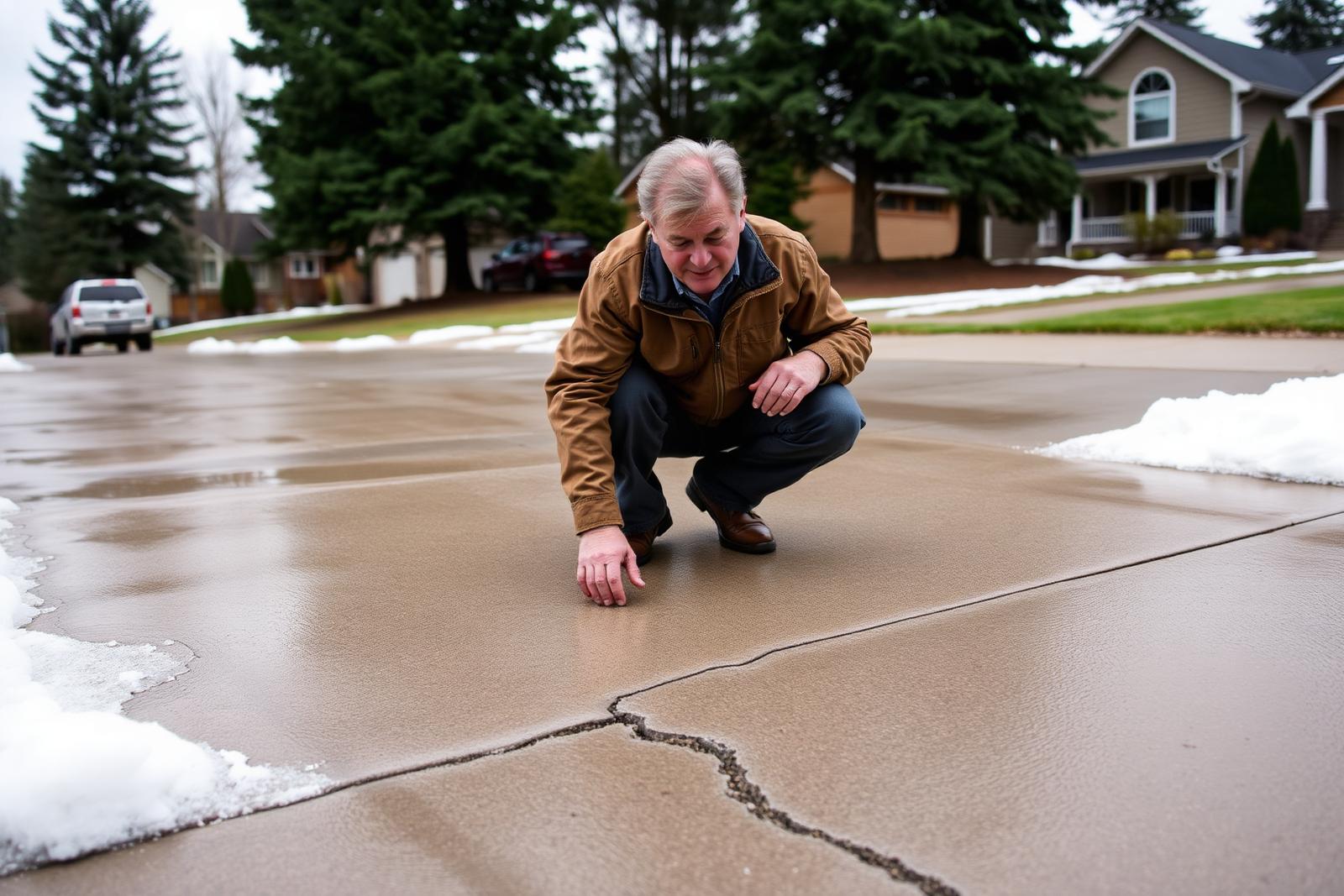
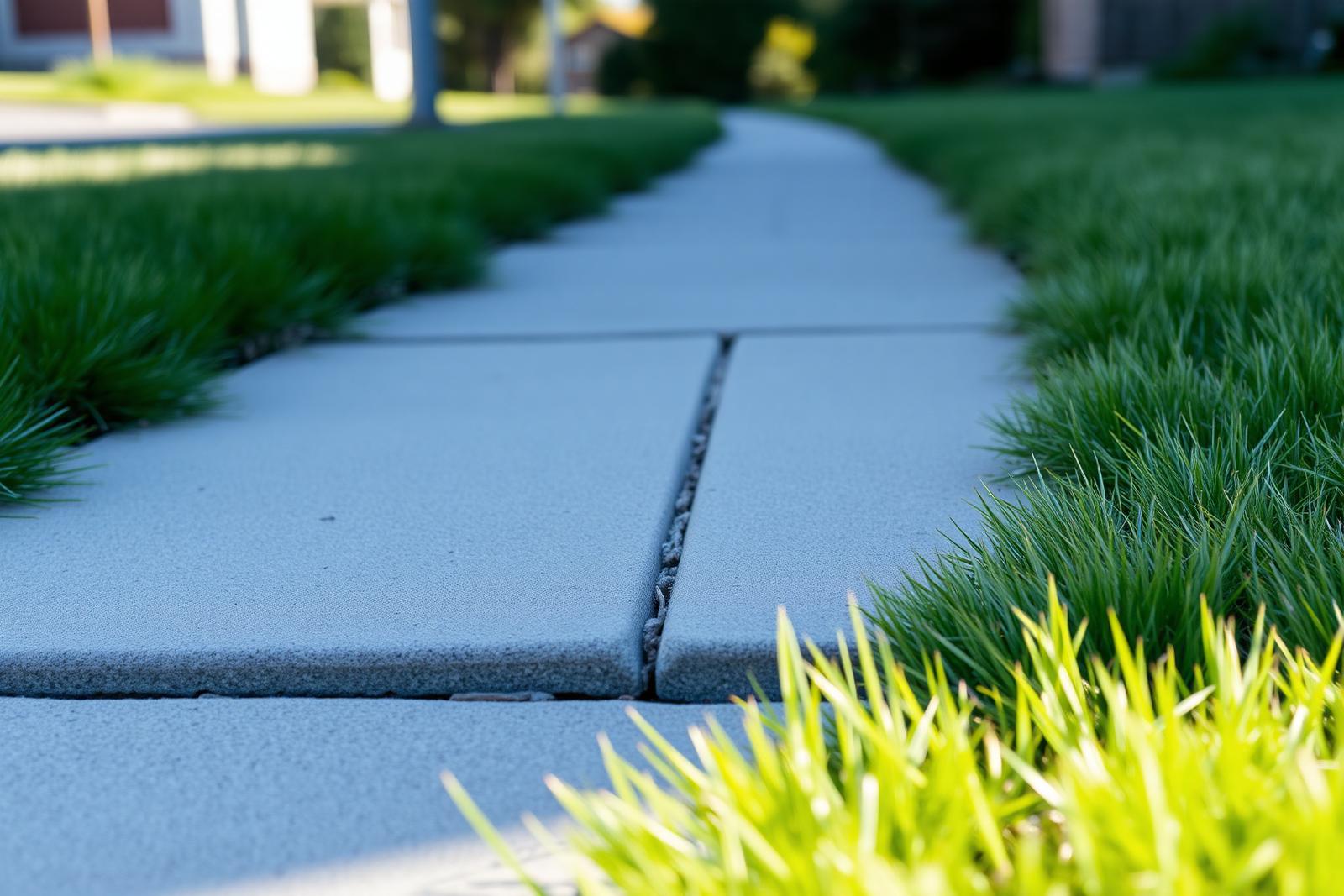
Learn when cracks in concrete may simply be cosmetic and when they could indicate settlement or changing soil conditions around your Spokane home.
Finding a crack in your driveway, sidewalk, patio, or garage floor can be unsettling.
The good news is that not every crack means something is seriously wrong.
Concrete naturally changes over time, and minor cracking is common. However, certain types of cracks—especially when combined with uneven concrete or changing drainage—may indicate that the soil beneath the slab has shifted.
Understanding the difference can help Spokane homeowners decide when it's time to pay closer attention.
Why Concrete Cracks
Concrete is a durable material, but it expands, contracts, and responds to changes in the environment.
Common causes of cracking include:
- Natural curing
- Seasonal temperature changes
- Freeze-thaw cycles
- Soil movement
- Drainage changes
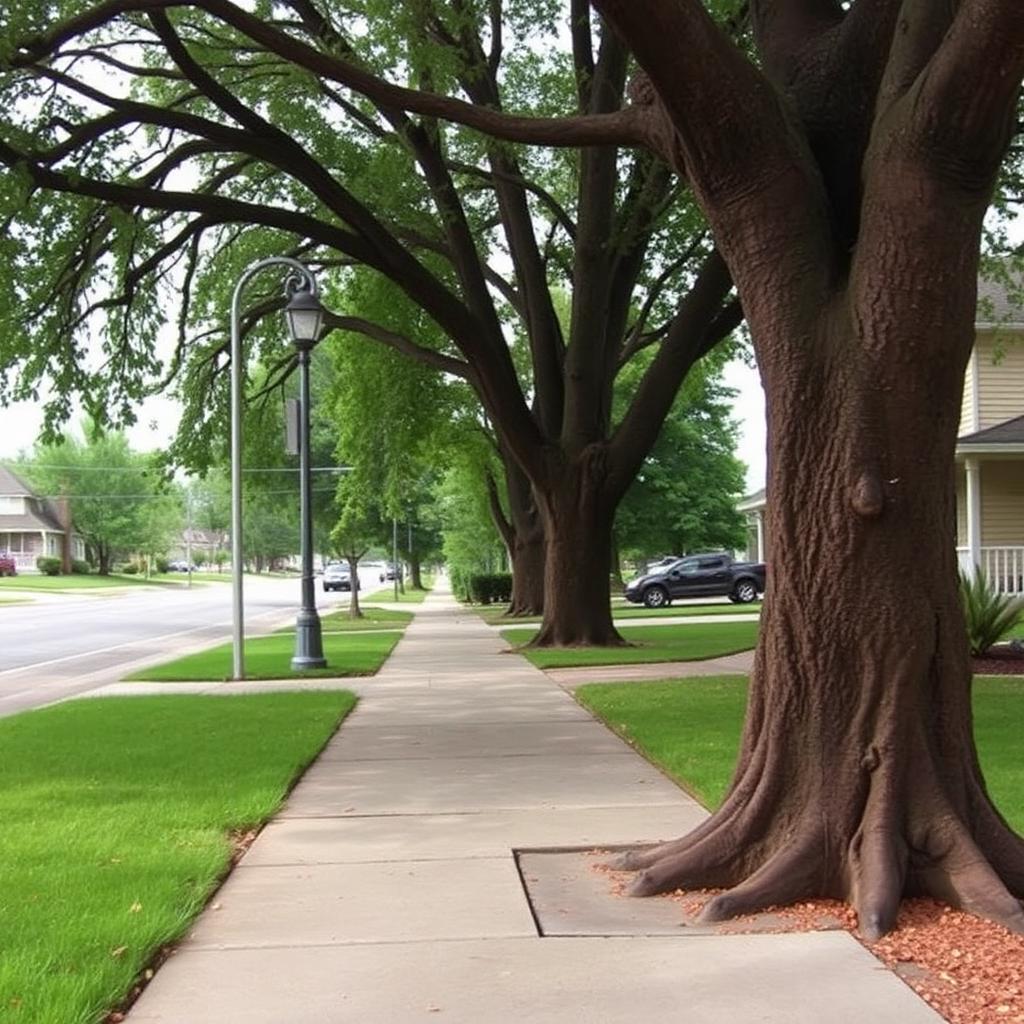
- Tree roots
- Settlement beneath the slab
Some cracks remain stable for years, while others gradually change as the supporting soil shifts. If you're unsure what caused the crack, reading why concrete sinks in Spokane can provide helpful background.
Hairline Cracks
Hairline cracks are common and often develop as concrete cures or responds to normal expansion and contraction.
Homeowners should monitor these cracks over time to see whether they remain unchanged or begin to widen.
Wider Cracks
Larger or widening cracks deserve closer attention, particularly if they appear alongside:
- Uneven slabs
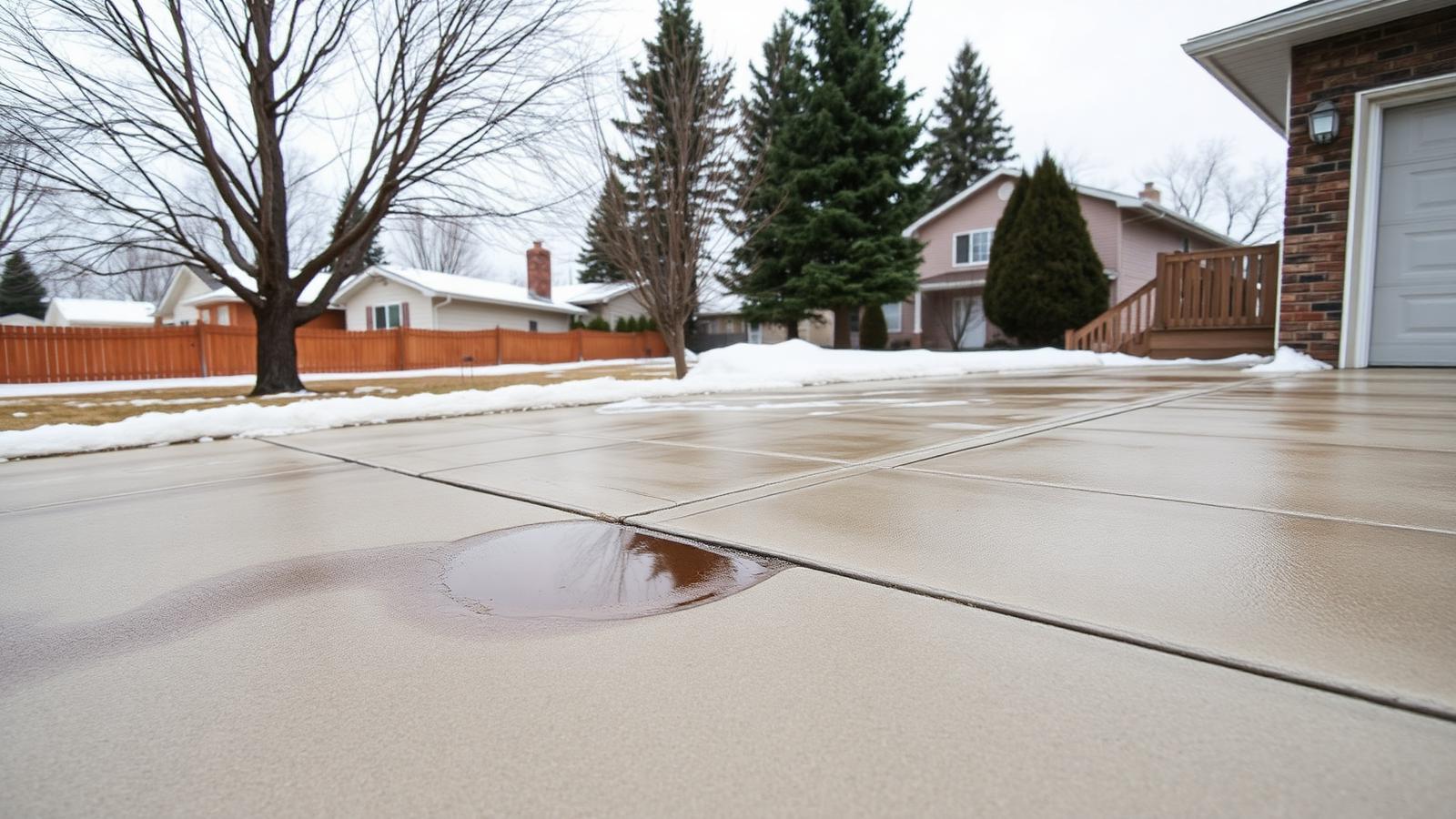
- Standing water
- New trip hazards
- Separation between concrete sections
- Doors or gates that no longer align
These conditions may suggest that settlement is occurring beneath the slab. If you notice standing water near a crack, our guide to why water pools on your driveway explains what that combination can mean.
For specific surfaces, you can also learn more about driveway leveling and sidewalk leveling.
Horizontal vs. Vertical Movement
Sometimes the crack itself isn't the biggest concern.
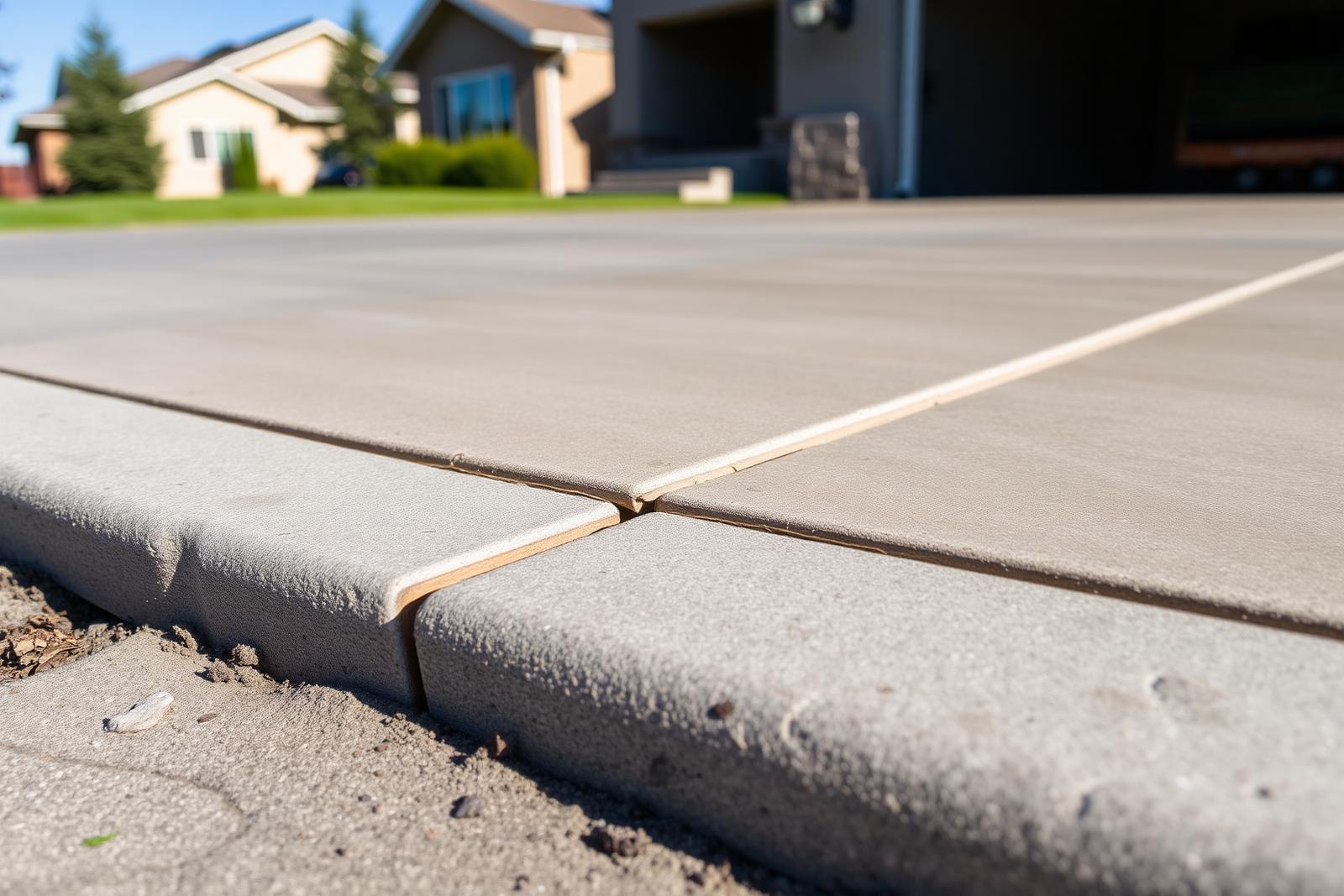
Instead, look to see whether one side of the concrete is sitting higher or lower than the other.
A noticeable difference in elevation may indicate that the slab has shifted over time.
Spokane Weather and Concrete
Spokane experiences changing weather throughout the year.
Winter snow, freeze-thaw cycles, spring moisture, and summer temperature changes all influence concrete and the soil beneath it.
While these conditions don't always cause cracks by themselves, they can contribute to gradual movement over many seasons. For a deeper look at seasonal effects, read how Spokane winters affect concrete.
What Homeowners Should Monitor
Rather than focusing on a single crack, look for changes over time.
Ask yourself:
- Is the crack getting longer?
- Is it becoming wider?
- Has the concrete become uneven?
- Is water collecting nearby?
- Did the crack appear after winter?
Taking photographs every few months can make gradual changes much easier to recognize. Our spring concrete inspection checklist offers a simple framework for tracking these changes.
Frequently Asked Questions
Are all concrete cracks serious?
No. Many cracks are cosmetic and remain stable for years.
Does every crack require repair?
Not necessarily. The size, location, movement, and surrounding conditions all help determine whether further evaluation may be appropriate.
Can winter weather contribute to cracking?
Freeze-thaw cycles and seasonal moisture changes may contribute to movement over time.
Should I monitor cracks?
Yes. Comparing photographs from season to season is one of the easiest ways to identify gradual changes.
Final Thoughts
Concrete cracks are a normal part of homeownership, but they should never be ignored completely.
Understanding the difference between normal aging and signs of settlement helps Spokane homeowners make informed decisions, monitor their property more effectively, and recognize when additional evaluation may be helpful.
If you've noticed new or widening cracks, contact Spokane Concrete Leveling to schedule a free estimate.