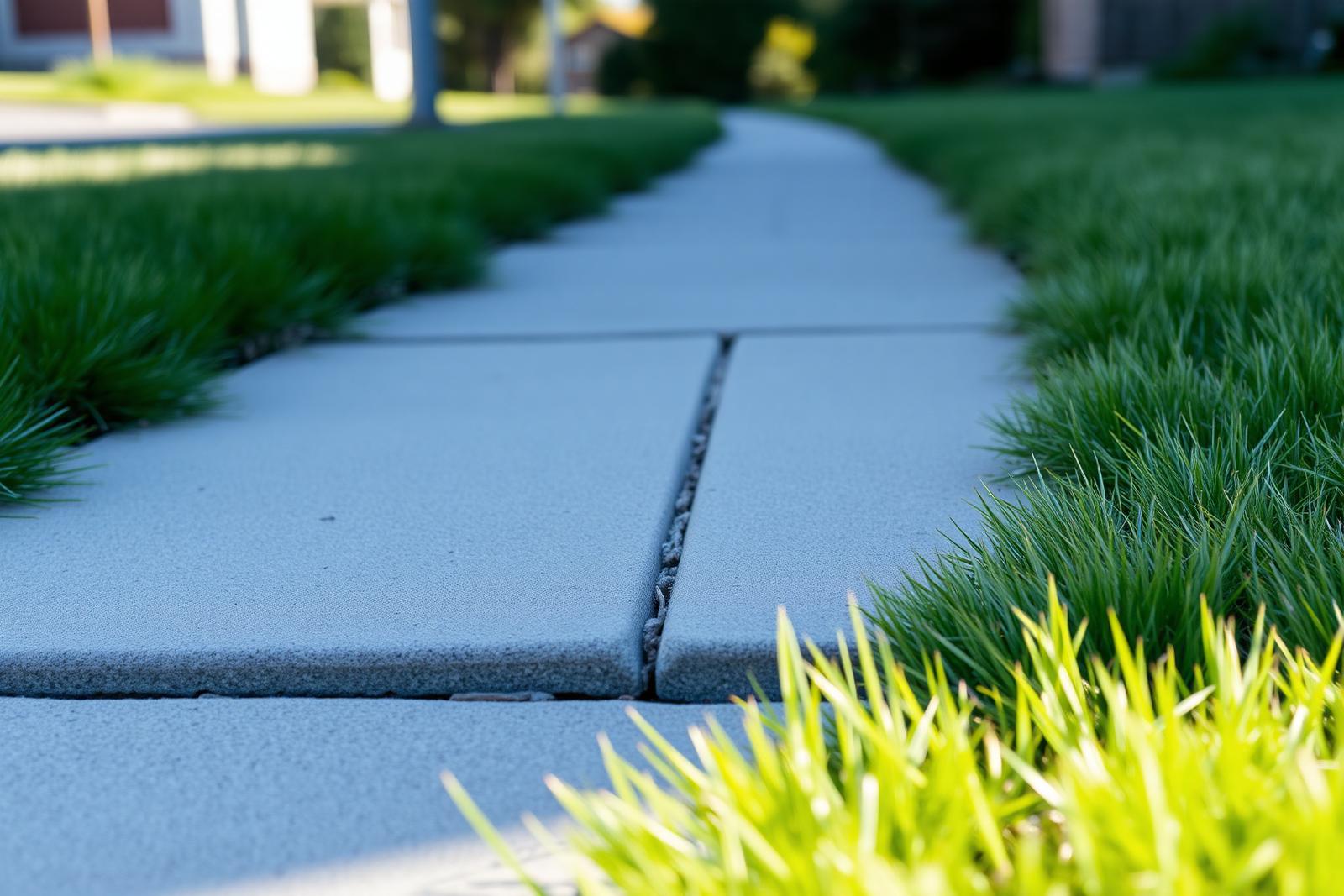
Does water collect on your driveway after it rains? Learn why standing water develops, what it may indicate about your concrete, and when concrete leveling may help restore proper drainage.
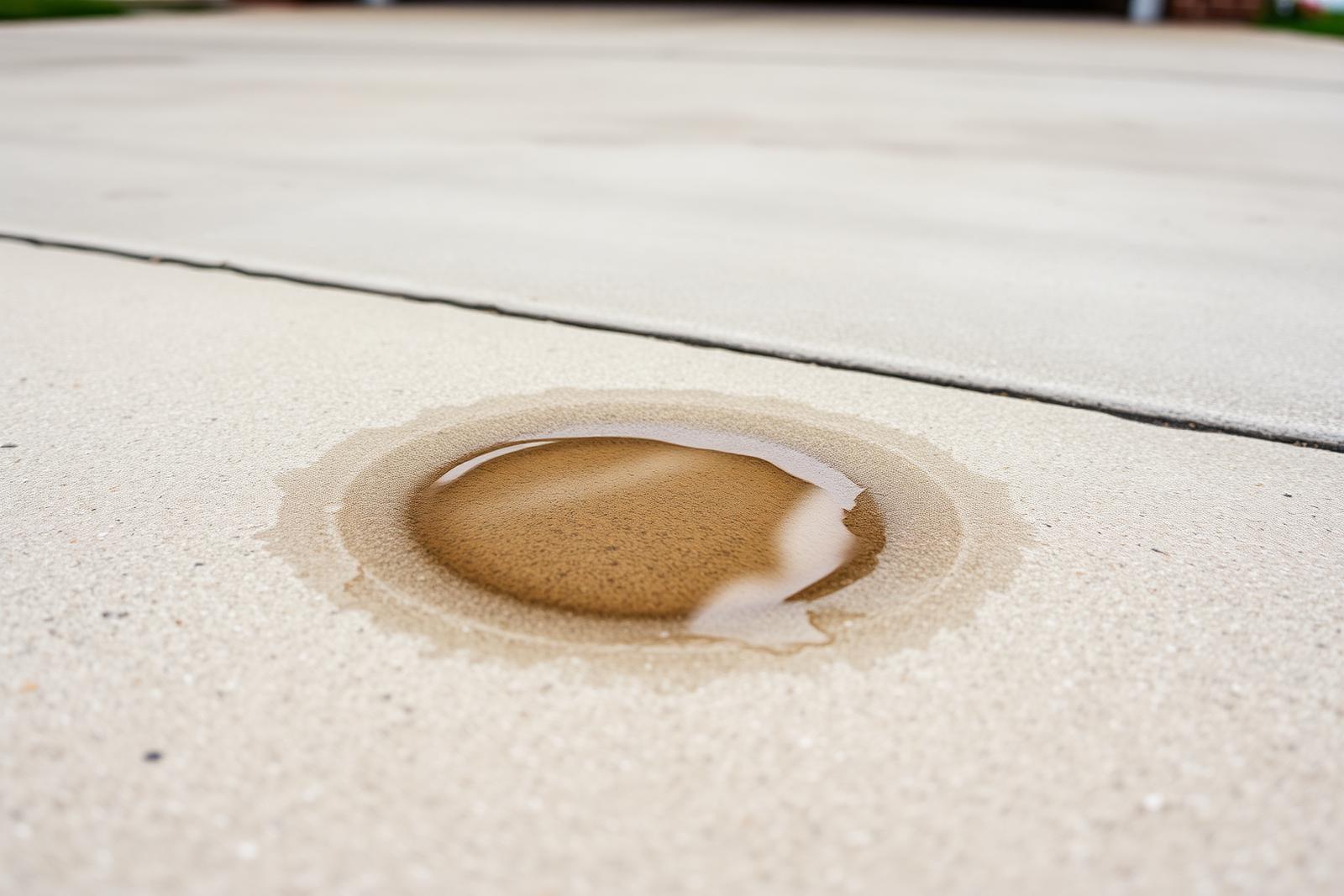
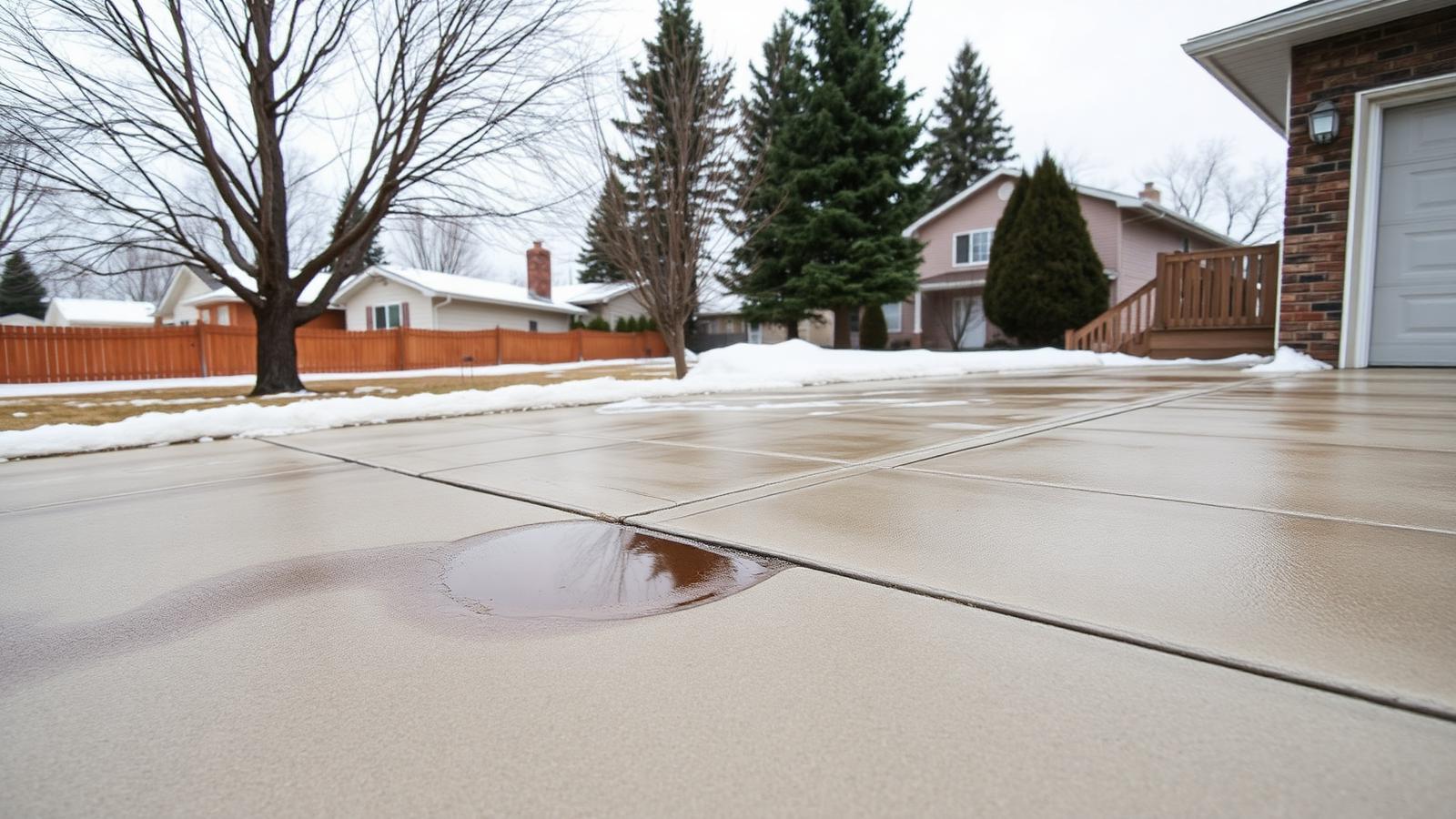
After a rainstorm, does water seem to collect in the same spots on your driveway?
Many homeowners assume it's simply an inconvenience.
In reality, standing water can sometimes be an early warning sign that concrete has settled or shifted.
Understanding why water pools on concrete can help you determine whether your driveway, sidewalk, patio, garage floor, or other concrete surface should be evaluated.
Why Does Water Pool?
Concrete is designed to drain water away from your home.
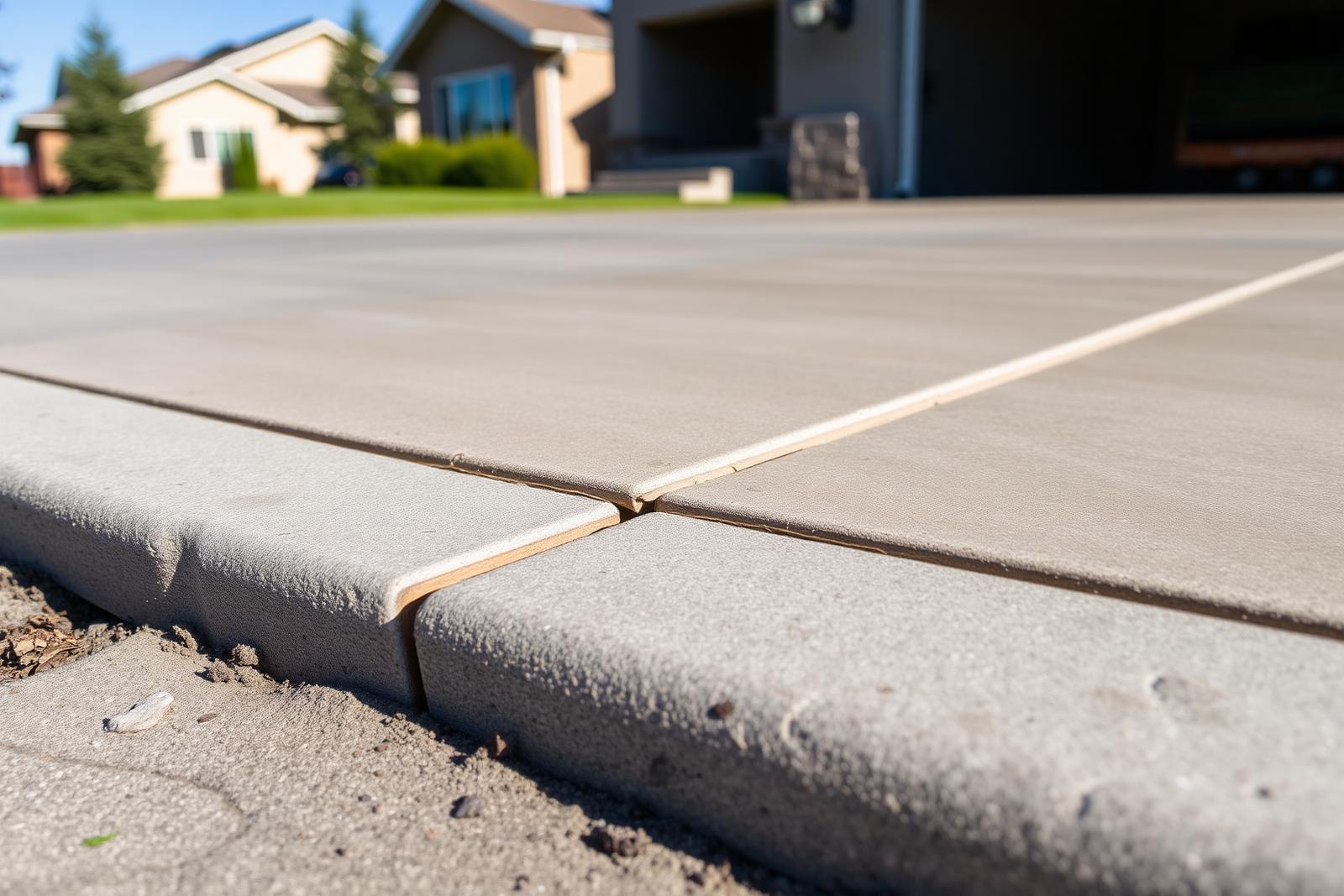
When portions of a slab settle, low areas can develop.
These low spots collect water instead of allowing it to drain properly.
Common Causes
Several conditions may contribute to pooling water.
Soil Settlement
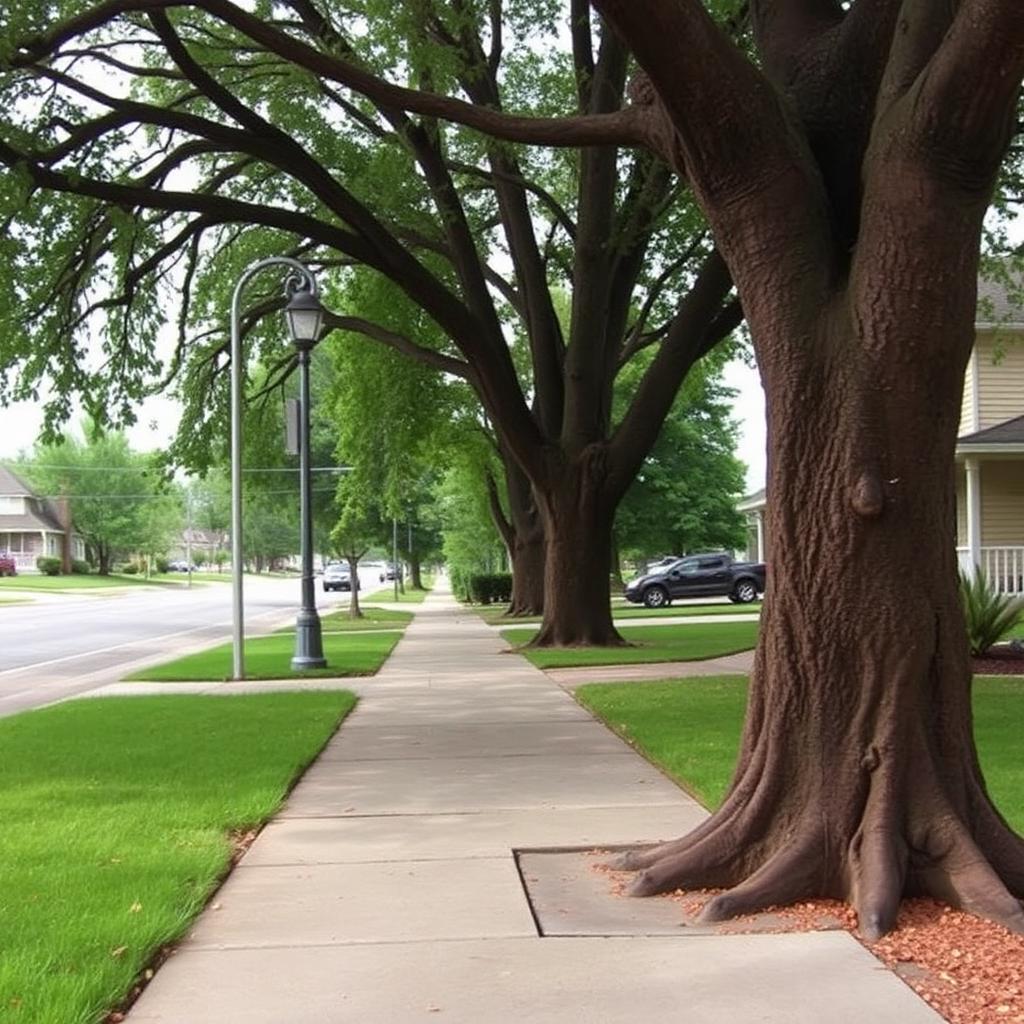
As soil beneath the concrete settles, portions of the slab may gradually sink.
Poor Drainage
Improper grading, clogged gutters, leaking downspouts, or irrigation issues can weaken supporting soils over time.
Freeze-Thaw Movement
Spokane winters expose concrete to repeated freezing and thawing.
These seasonal changes may contribute to movement beneath slabs.
Construction Fill
Some concrete is installed over disturbed soil that continues to compact for years after construction.
Why Pooling Water Matters
Standing water can create several problems.
- Slippery walking surfaces
- Increased freeze damage during winter
- Additional soil erosion
- Faster concrete deterioration
- More noticeable staining
Addressing the cause early may help reduce additional movement.
Is the Concrete Actually Sinking?
Not always.
Some drainage issues are caused by grading rather than settlement.
However, if water consistently collects in one area, especially where the slab appears uneven, settlement may be contributing to the problem.
A professional inspection can determine the cause.
Can Concrete Leveling Improve Drainage?
If settlement created the low spot, concrete leveling may help restore a more even surface.
The goal is to improve the position of the existing slab while preserving structurally sound concrete.
Every project should be evaluated individually.
When Replacement May Be Necessary
If the slab has severe structural damage or significant deterioration, replacement may be recommended instead of leveling.
A professional evaluation helps determine the most appropriate repair.
Tips to Help Prevent Future Problems
Homeowners can often help protect their concrete by:
- Keeping gutters clean
- Extending downspouts away from slabs
- Repairing irrigation leaks
- Improving drainage around the home
- Monitoring areas where water consistently collects
Proper drainage is one of the best long-term investments you can make in protecting your concrete.
Schedule a Free Estimate
If water consistently pools on your driveway, sidewalk, or patio, it may be worth having the concrete evaluated.
Spokane Concrete Leveling provides free estimates throughout Spokane and surrounding communities.
Call 509-355-6406 or request your free estimate online to discuss your project.
For more reading, explore why concrete sinks in Spokane, concrete leveling vs. concrete replacement, concrete leveling cost Spokane, and how long does concrete leveling last.