5 min read
Do Concrete Sealers Actually Help in Spokane?
Sealers protect the surface, but they don't solve settlement. Here's what sealers actually do — and don't do — for Spokane driveways, sidewalks, and patios.
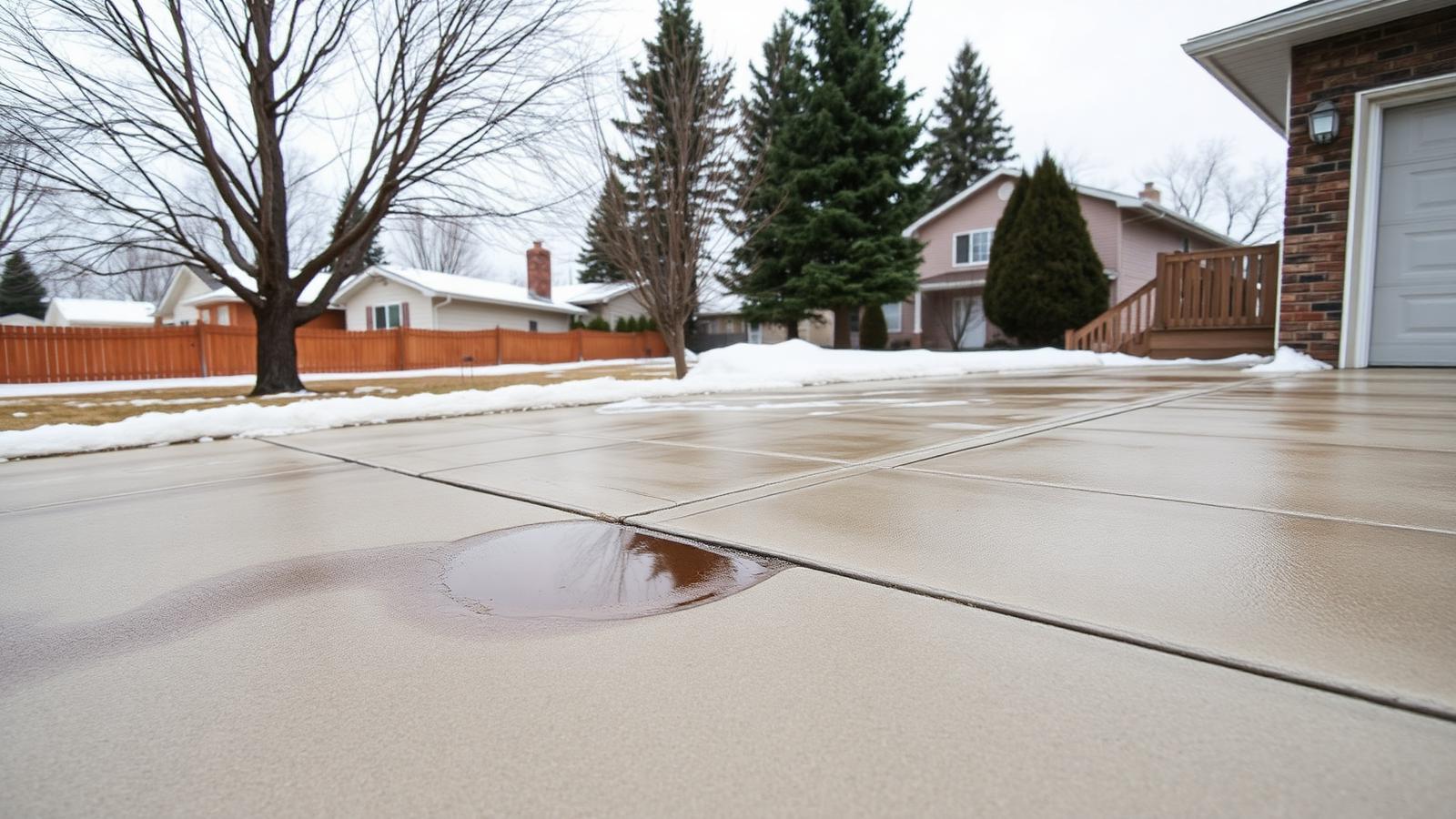
Learn how Spokane's snow, freeze-thaw cycles, and winter moisture can affect concrete driveways, sidewalks, patios, and other outdoor surfaces.
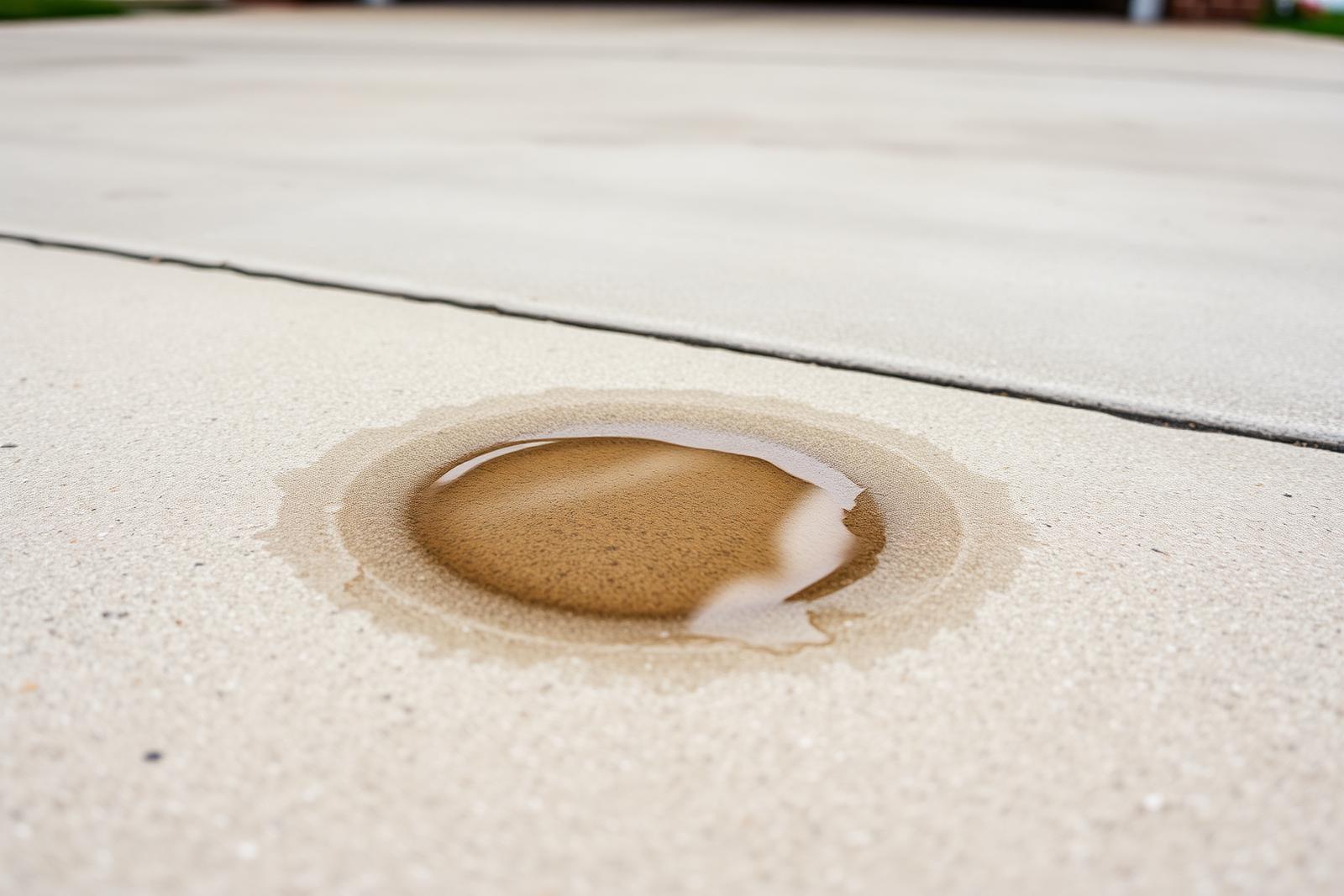
Spokane homeowners experience all four seasons, but winter often has the greatest impact on outdoor concrete.
Snow, freezing temperatures, ice, and repeated freeze-thaw cycles create changing conditions that can influence both concrete and the soil supporting it. While concrete is built to withstand the elements, years of seasonal weather can gradually contribute to settlement, drainage problems, and uneven surfaces.
Understanding how winter affects concrete allows homeowners to recognize early warning signs and protect their property throughout the year. For a deeper look at what's happening beneath the slab, see why concrete sinks in Spokane.
A freeze-thaw cycle occurs whenever water freezes and later thaws.
Spokane commonly experiences periods where daytime temperatures rise above freezing while nighttime temperatures fall below freezing. As this cycle repeats, moisture within the surrounding soil and small openings in concrete expands and contracts.
Over many seasons, these repeated changes may contribute to movement beneath concrete slabs.
Several winter conditions influence outdoor concrete in Spokane:
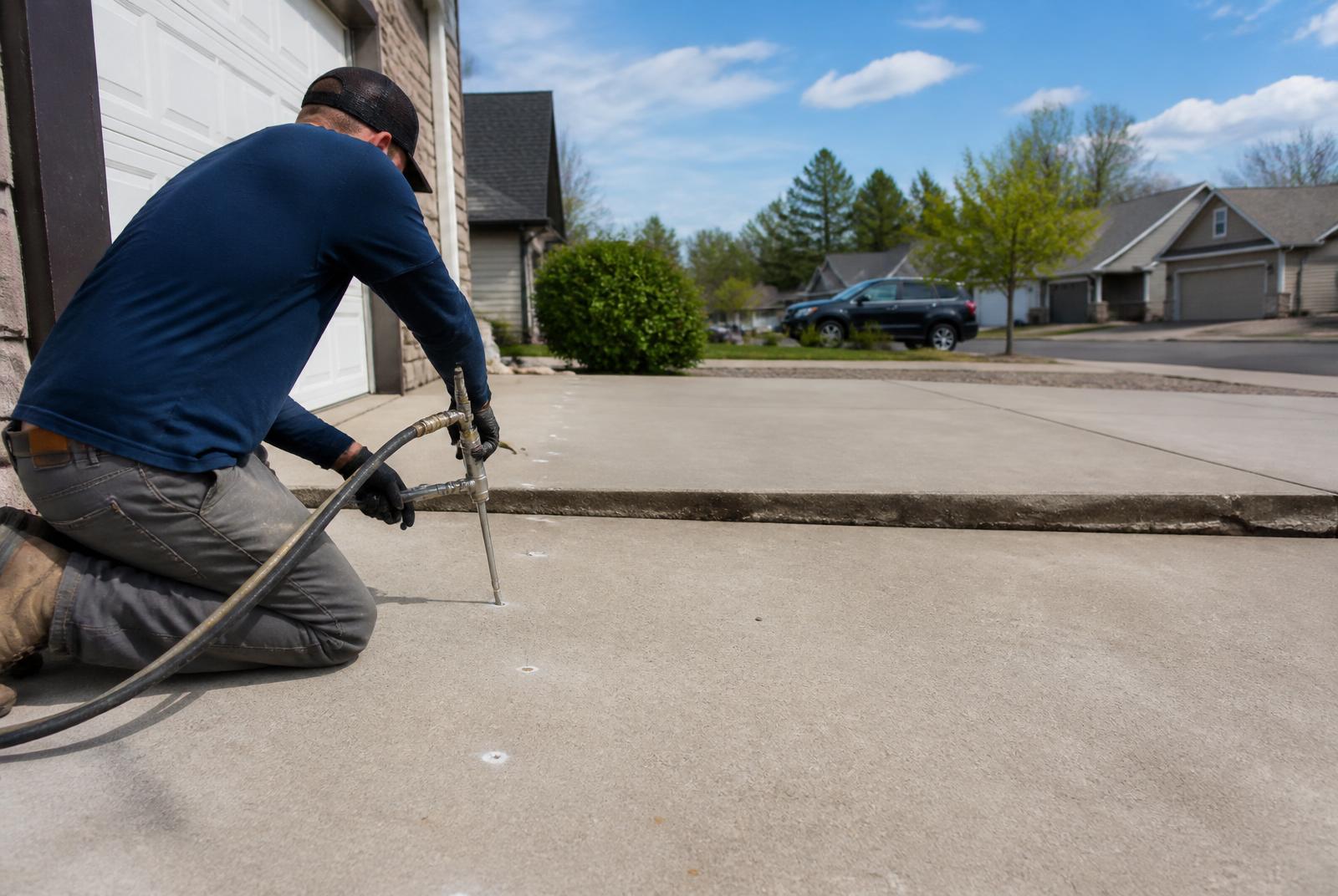
Together, these conditions can gradually affect the stability of the soil beneath driveways, sidewalks, patios, and steps. When settlement does occur, concrete leveling vs. replacement is often the first question homeowners ask.
Driveways often experience heavy vehicle traffic throughout the winter.
Watch for:
Changes in drainage may indicate that one section of the driveway has settled over time. Learn more about driveway leveling options.
Even small height differences can become more noticeable during winter.
Snow and ice may hide trip hazards until conditions improve in the spring.
Inspect sidewalks after snowmelt for:
If you notice a raised panel or offset, sidewalk leveling can often restore a safe walking surface without full replacement.
Patios frequently collect snow throughout the winter.
When snow melts, water should drain away from the home rather than collecting against the patio or foundation.
Watch for:
See patio leveling for how settled patios can be lifted back to grade.
One of the best ways to protect concrete is by managing water.
Homeowners should periodically inspect:
Directing water away from concrete surfaces may help reduce unnecessary soil movement over time. For a weekend-friendly fix, read downspouts: the #1 cause of slab settlement you can fix this weekend.
Many homeowners notice settlement after winter has ended.
Spring is an excellent time to walk around the property and look for:
Photographs taken from the same location each spring can make gradual changes easier to recognize.
Not necessarily. Many concrete surfaces perform well for decades. However, repeated freeze-thaw cycles and changing soil conditions may contribute to settlement over time.
Standing water may indicate drainage issues or changes in slab elevation and is worth monitoring.
Yes. Spring is one of the best times to inspect driveways, sidewalks, patios, and steps.
Proper drainage helps direct water away from concrete and may reduce excessive soil movement beneath slabs.
Spokane's winter climate presents unique challenges for outdoor concrete.
By understanding how snow, moisture, and freeze-thaw cycles affect concrete throughout the year, homeowners can identify problems early, improve drainage, and make informed decisions about maintaining their property.
If you'd like a professional evaluation of a driveway, sidewalk, or patio in the Spokane area, contact Spokane Concrete Leveling for a free estimate.
Think Your Concrete May Qualify for Lifting?
Free on-site inspection · Fixed written quote · No obligation
Related services
Get a local estimate
Keep reading
Sealers protect the surface, but they don't solve settlement. Here's what sealers actually do — and don't do — for Spokane driveways, sidewalks, and patios.
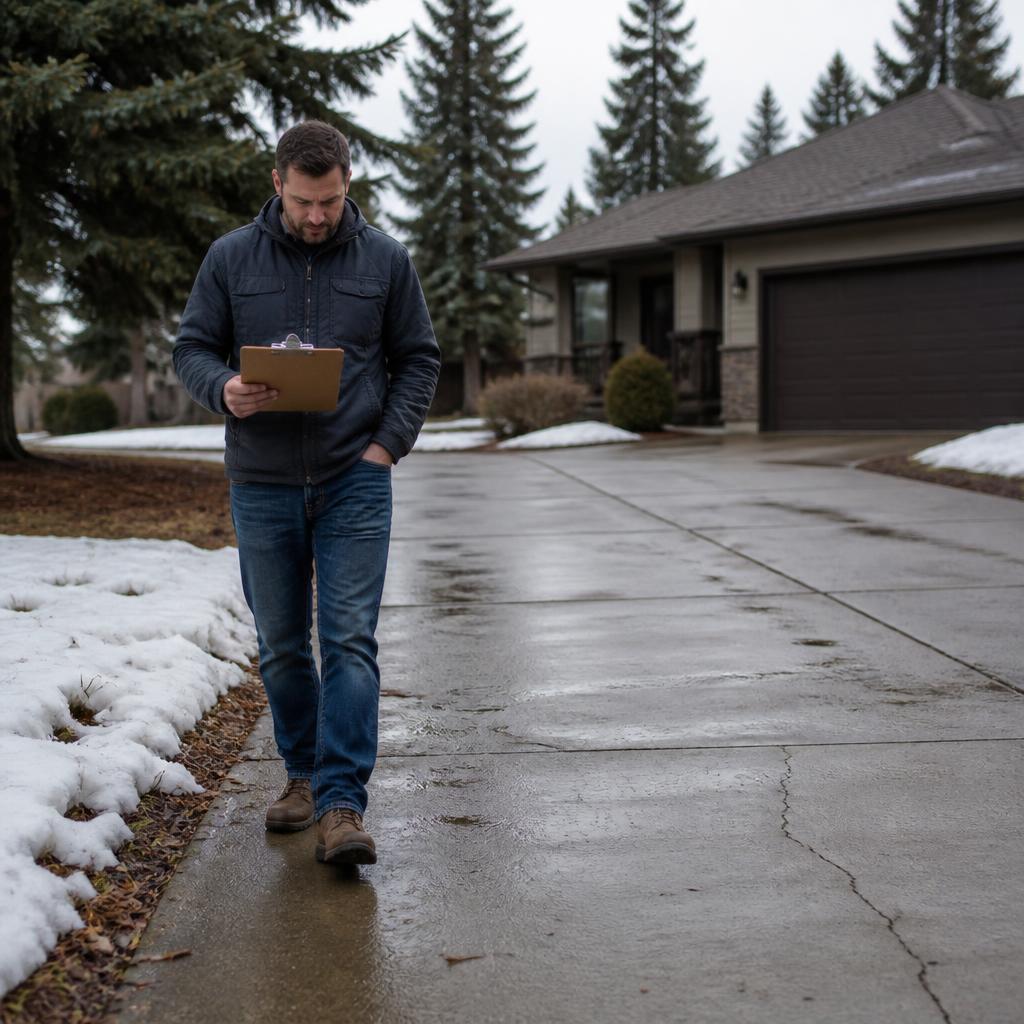
A ten-minute walk around your Spokane home twice a year can catch settlement issues before they become expensive. Here's exactly what to look at — and what to write down.
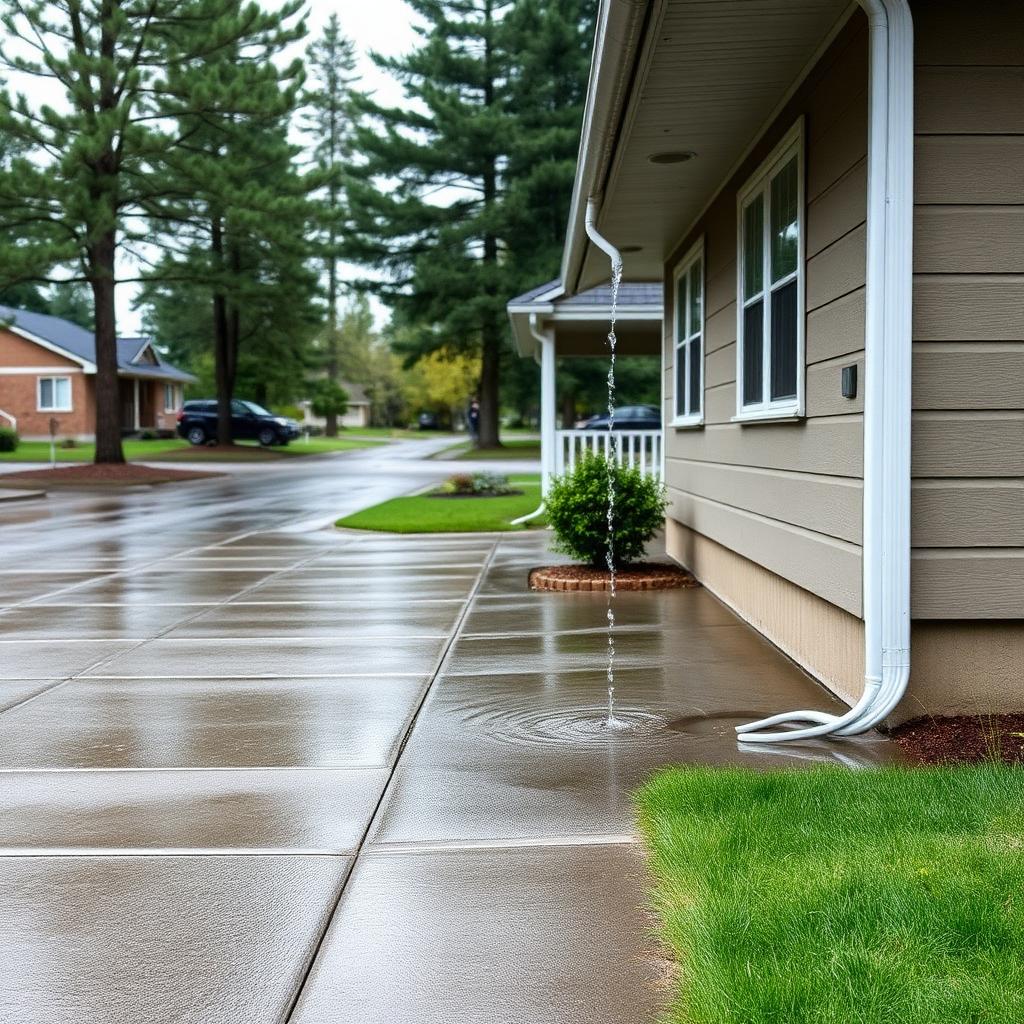
Drainage is the single biggest driver of concrete settlement on Spokane properties. Here's exactly how water undermines slabs — and the drainage fixes that protect them.
Have questions about your concrete? Need advice? Want a free estimate? We're here to help. Concrete leveling saves the slab you already have, at a fraction of the cost of replacement.
Free Estimates · Spokane-Focused Service · Clear Recommendations