5 min read
Do Concrete Sealers Actually Help in Spokane?
Sealers protect the surface, but they don't solve settlement. Here's what sealers actually do — and don't do — for Spokane driveways, sidewalks, and patios.
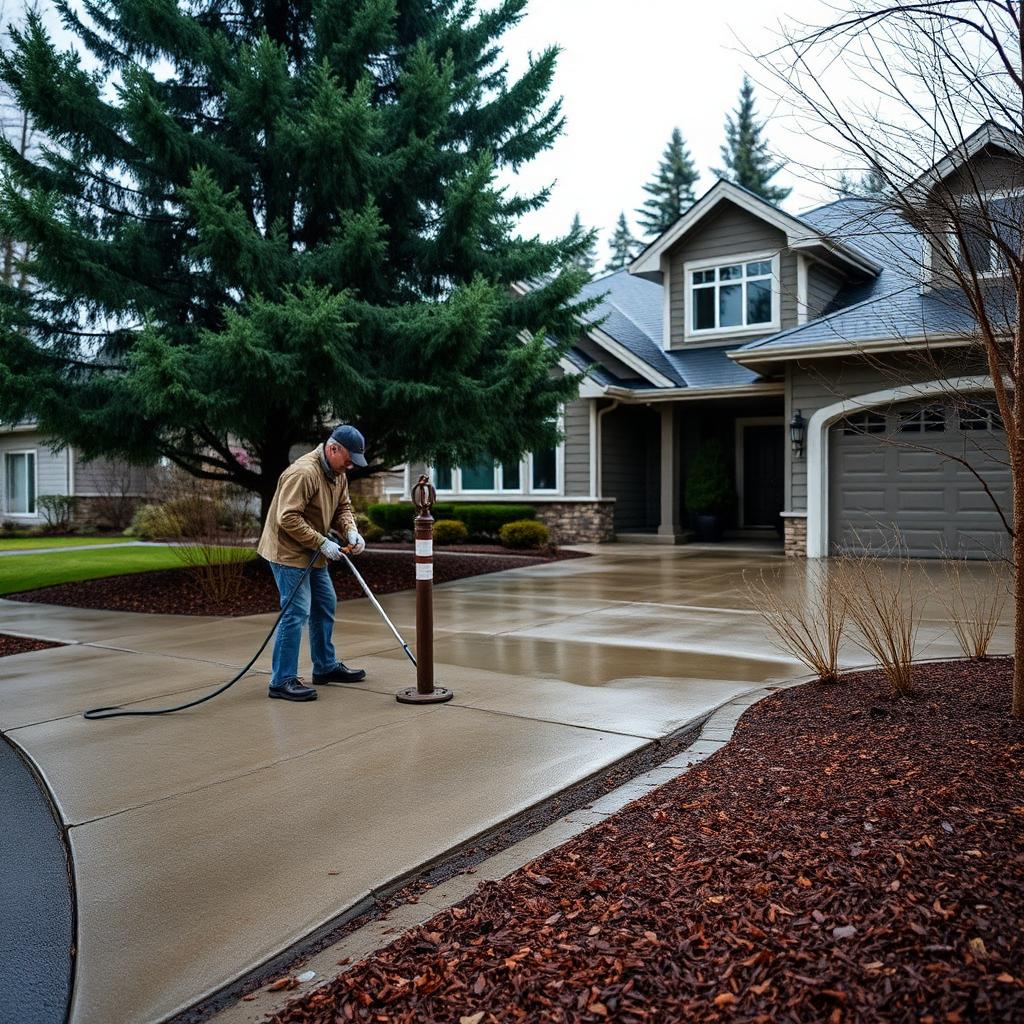
Discover practical maintenance tips Spokane homeowners can use to help reduce the risk of concrete settlement, drainage issues, and uneven sidewalks or driveways.
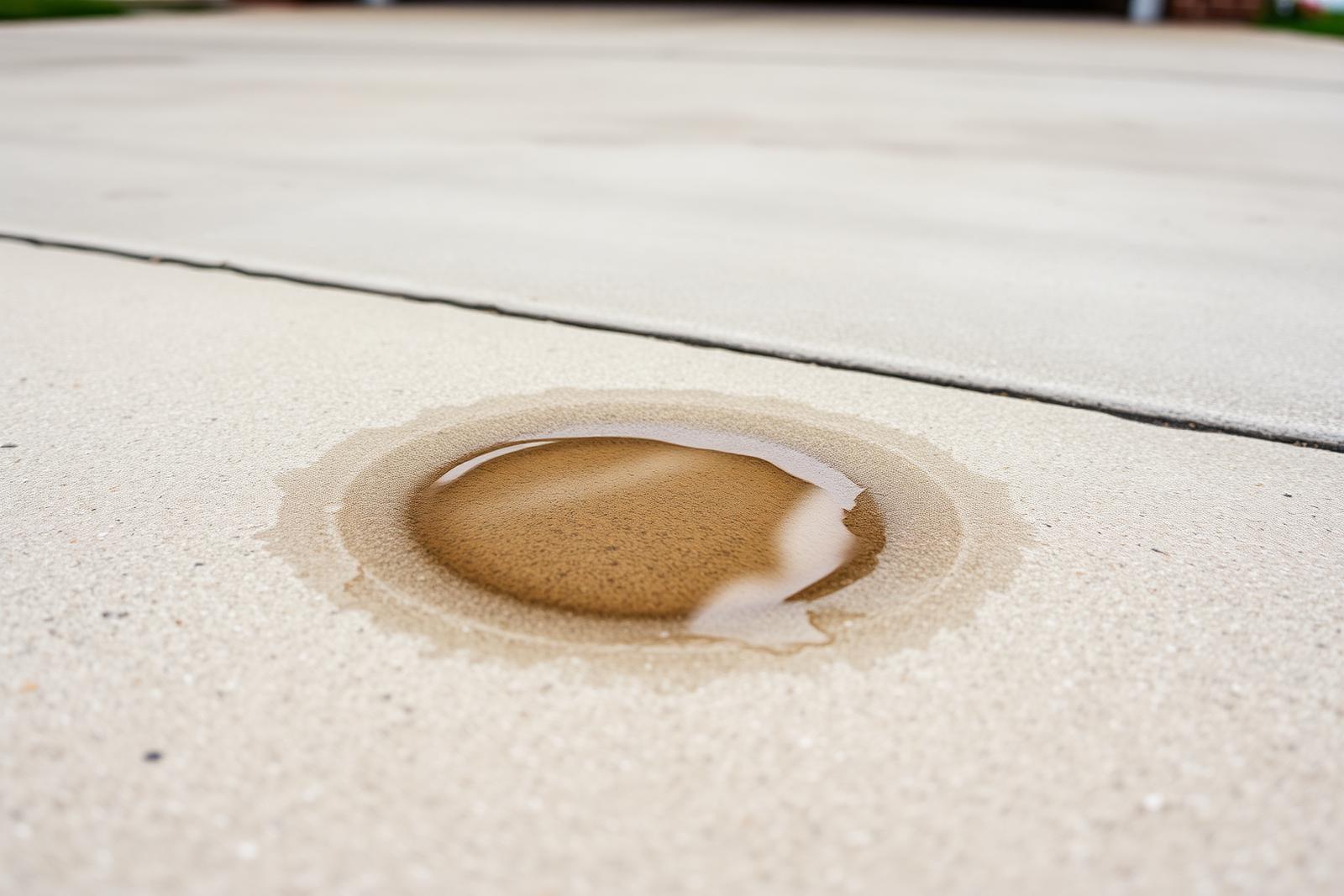
Concrete naturally changes over time.
While no homeowner can completely eliminate the possibility of settlement, good maintenance habits can help reduce unnecessary stress on the soil beneath driveways, sidewalks, patios, and other concrete surfaces. For a deeper look at what actually drives movement, see Why Concrete Sinks in Spokane.
Many of these tips require very little time and can become part of your regular home maintenance routine.
Water is one of the biggest influences on soil movement.
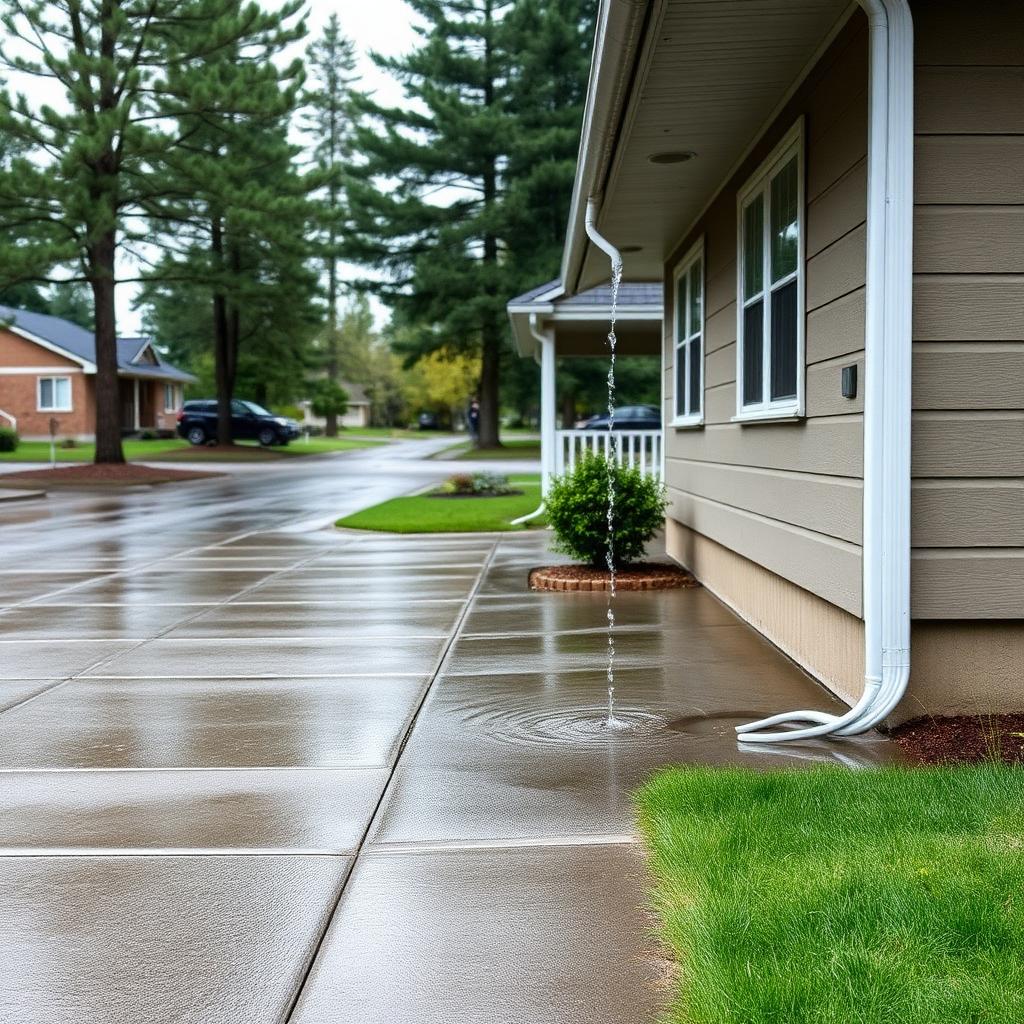
After heavy rain or snowmelt, take a few minutes to observe where water flows.
If water consistently collects beside concrete, it may be worth investigating the cause. Our guide on Why Water Is Pooling on Your Driveway walks through common culprits.
Overflowing gutters can release large amounts of water beside sidewalks, patios, and driveways.
Cleaning gutters regularly helps direct water where it belongs.
Downspouts should discharge water away from your home's foundation and surrounding concrete whenever practical.
Even small improvements in drainage may benefit long-term soil stability.
Irrigation systems should water landscaping—not concrete.
Sprinkler heads that spray directly onto sidewalks or driveways can create unnecessary moisture around slabs.
Check your system each spring and summer to make sure it is operating as intended.
Spokane winters often include snow, freezing temperatures, and repeated freeze-thaw cycles. Learn more about the seasonal impact in How Spokane Winters Affect Concrete.
Each spring, inspect your property for:
Routine inspections make gradual changes easier to identify. Our Spring Concrete Inspection Checklist offers a simple walk-through.
Leaves, dirt, weeds, and debris can collect in expansion joints over time.
Cleaning these joints periodically helps prevent unnecessary water retention and allows them to function as intended.
After heavy rain, inspect areas beside your driveway, patio, and sidewalks.
If soil appears to be washing away, consider addressing the drainage issue before it becomes more significant.
Large trees add beauty and value to many Spokane properties.
However, mature root systems and changing soil moisture may influence nearby concrete. Read Can Tree Roots Cause Concrete to Settle or Crack? for a closer look.
Regular inspections around sidewalks and patios can help identify gradual changes.
One of the simplest maintenance tools is your smartphone.
Take photographs from the same location each spring.
Comparing images year after year often makes gradual settlement much easier to recognize.
Many concrete problems begin subtly.
A puddle that wasn't there last year.
A sidewalk that's just slightly uneven.
A patio chair that suddenly rocks.
Paying attention to these small changes can help homeowners understand how their property is changing over time. When it's time to address movement, learn more about driveway leveling, sidewalk leveling, and patio leveling.
No. Soil conditions, weather, and natural aging all influence outdoor concrete. Good maintenance may help reduce unnecessary stress on the supporting soil.
Yes. Proper drainage helps manage water around concrete surfaces and is an important part of long-term property maintenance.
Spring and fall are excellent times for routine inspections.
Yes. Seasonal moisture, freeze-thaw cycles, and changing weather conditions all influence outdoor concrete over time.
Concrete settlement is a common part of homeownership, but proactive maintenance can help homeowners better understand their property and identify changes early.
Simple habits like monitoring drainage, maintaining gutters, adjusting irrigation, and performing seasonal inspections can go a long way toward protecting your driveway, sidewalks, patios, and other outdoor concrete surfaces.
If you'd like a professional evaluation of your property, contact Spokane Concrete Leveling to schedule a free estimate.
Think Your Concrete May Qualify for Lifting?
Free on-site inspection · Fixed written quote · No obligation
Related services
Get a local estimate
Keep reading
Sealers protect the surface, but they don't solve settlement. Here's what sealers actually do — and don't do — for Spokane driveways, sidewalks, and patios.
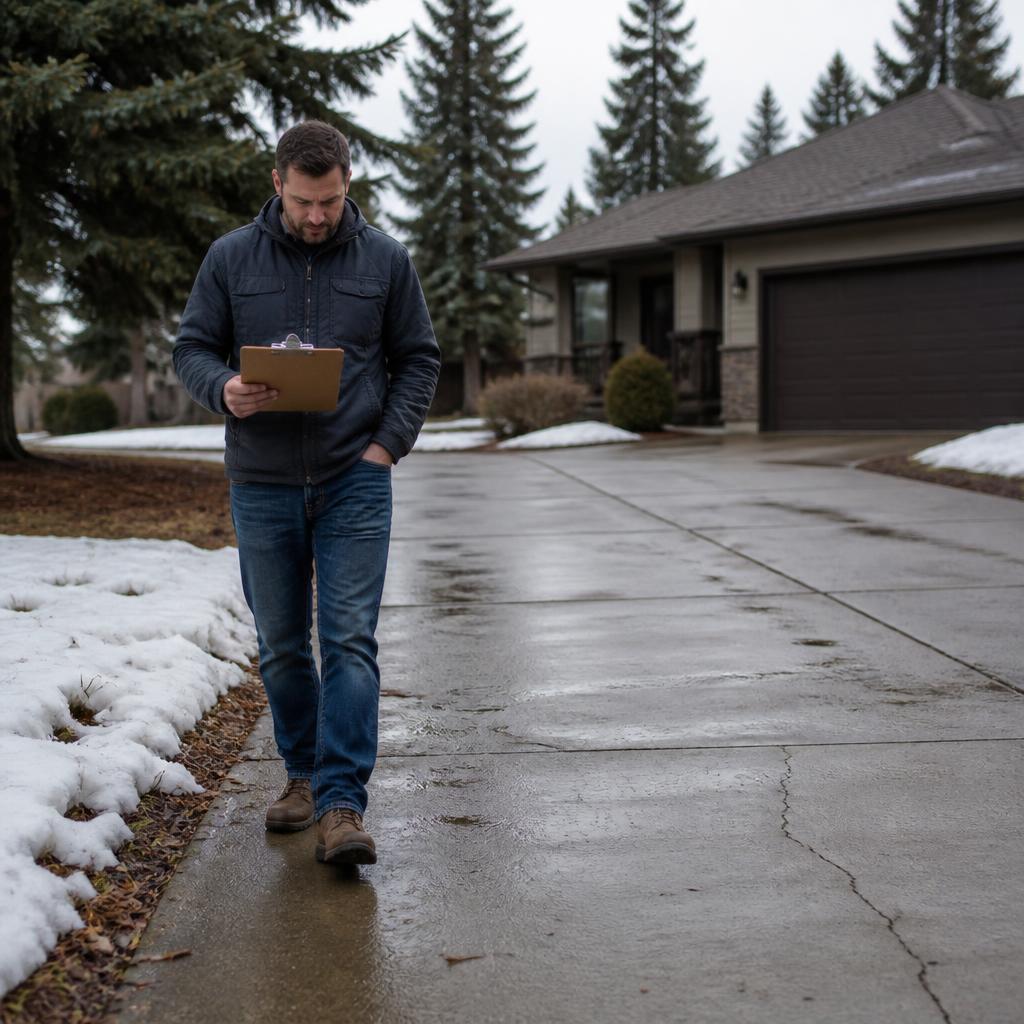
A ten-minute walk around your Spokane home twice a year can catch settlement issues before they become expensive. Here's exactly what to look at — and what to write down.
Drainage is the single biggest driver of concrete settlement on Spokane properties. Here's exactly how water undermines slabs — and the drainage fixes that protect them.
Have questions about your concrete? Need advice? Want a free estimate? We're here to help. Concrete leveling saves the slab you already have, at a fraction of the cost of replacement.
Free Estimates · Spokane-Focused Service · Clear Recommendations