5 min read
Do Concrete Sealers Actually Help in Spokane?
Sealers protect the surface, but they don't solve settlement. Here's what sealers actually do — and don't do — for Spokane driveways, sidewalks, and patios.
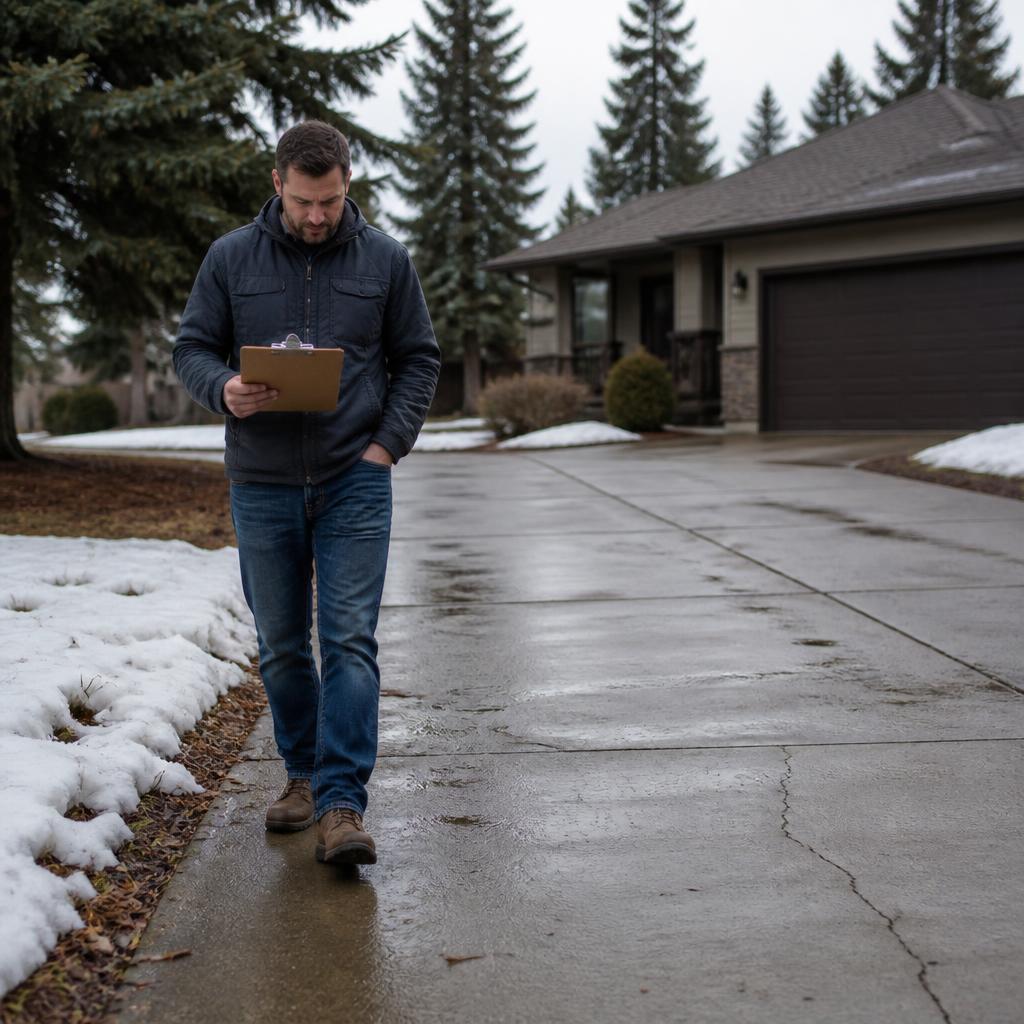
Use this spring inspection checklist to identify early signs of concrete settlement, drainage issues, and trip hazards around your Spokane home.
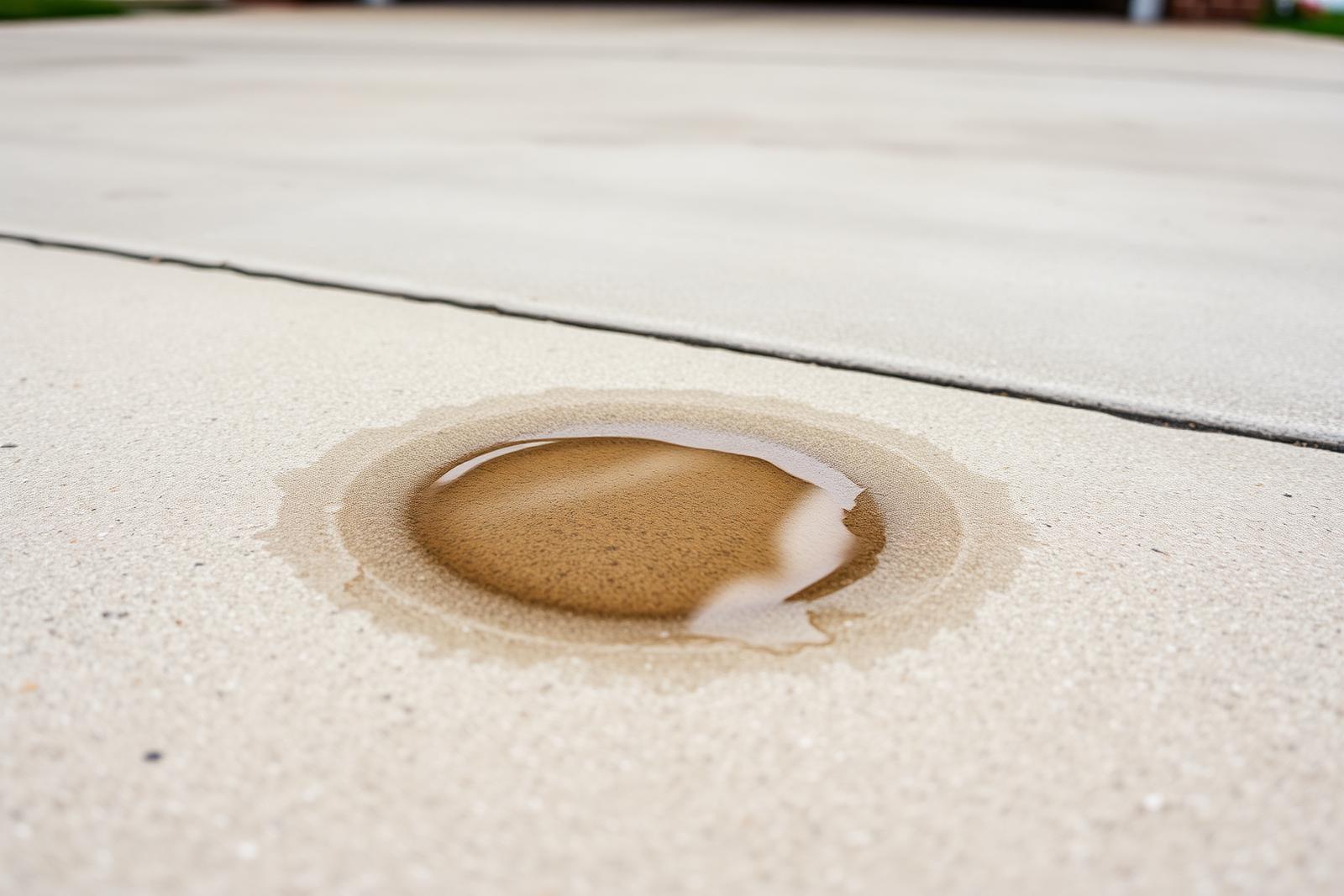
Winter weather can be hard on outdoor concrete. After months of snow, freezing temperatures, and repeated freeze-thaw cycles, spring is the ideal time to inspect your driveway, sidewalks, patio, and other concrete surfaces for signs of settlement or drainage problems.
Most inspections take less than 20 minutes and may help identify small issues before they become larger repairs. For background on why Spokane concrete settles in the first place, read why concrete sinks in Spokane.
As snow melts and spring rains arrive, changing moisture conditions often reveal problems that weren't noticeable during the winter.
Many Spokane homeowners first notice:
Spring provides an excellent opportunity to walk your property and compare what you see to previous years. For more on how winter conditions affect local concrete, see how Spokane winters affect concrete.
Walk the entire driveway and look for:
Changes in drainage often provide early clues that concrete has settled. Learn more about driveway leveling options if you notice significant settling.
Inspect sidewalks leading to your home. Look for:
Even small elevation changes may become more noticeable after winter. Sidewalk leveling can often correct these issues without full replacement.
Check your patio for:
Patios often experience gradual settlement because of changing soil moisture around landscaping. See patio leveling for repair options.
Look for:
Garage floors may settle gradually without obvious warning signs. Garage floor leveling can help restore a more even surface.
One of the most important parts of your spring inspection is evaluating drainage. Check:
Keeping water moving away from concrete surfaces helps maintain more stable soil conditions. For a practical guide, read downspouts: the #1 cause of slab settlement you can fix this weekend.
Walk around the property and observe:
Healthy landscaping and proper drainage often work together to protect outdoor concrete.
Finally, walk around your property as though you were visiting for the first time. Ask yourself:
This simple exercise often reveals changes that are easy to overlook during everyday routines.
Spring and fall are excellent times for routine inspections.
Yes. Winter weather frequently reveals new settlement once the snow melts.
Standing water may indicate drainage issues or changes in slab elevation.
Routine inspections allow homeowners to identify developing problems before they become more significant.
Regular inspections are one of the easiest ways to protect your property's concrete surfaces.
By taking just a few minutes each spring to inspect your driveway, sidewalks, patio, and garage floor, Spokane homeowners can identify early warning signs, improve drainage, and make informed decisions about maintaining their property.
If you notice settlement, drainage problems, or trip hazards during your spring inspection, contact Spokane Concrete Leveling to schedule a free estimate.
Think Your Concrete May Qualify for Lifting?
Free on-site inspection · Fixed written quote · No obligation
Related services
Get a local estimate
Keep reading
Sealers protect the surface, but they don't solve settlement. Here's what sealers actually do — and don't do — for Spokane driveways, sidewalks, and patios.
A ten-minute walk around your Spokane home twice a year can catch settlement issues before they become expensive. Here's exactly what to look at — and what to write down.
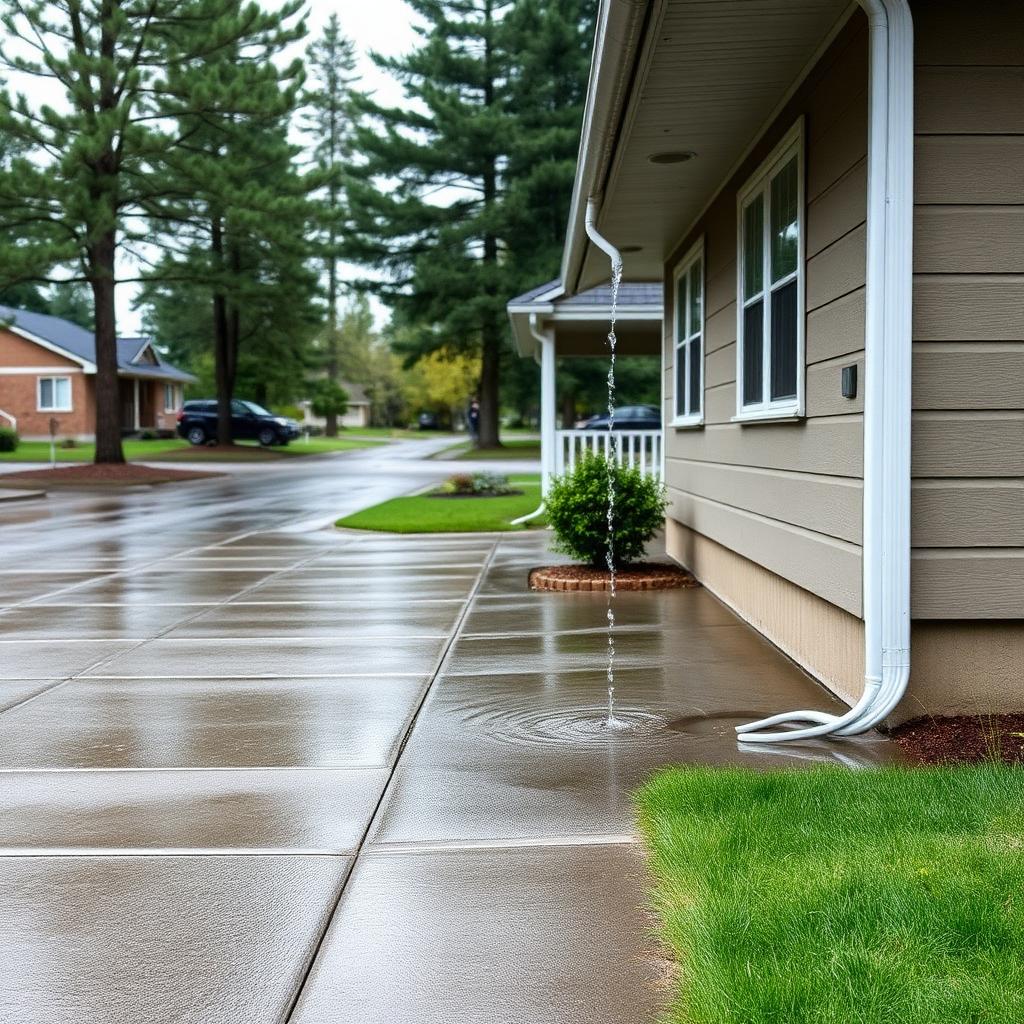
Drainage is the single biggest driver of concrete settlement on Spokane properties. Here's exactly how water undermines slabs — and the drainage fixes that protect them.
Have questions about your concrete? Need advice? Want a free estimate? We're here to help. Concrete leveling saves the slab you already have, at a fraction of the cost of replacement.
Free Estimates · Spokane-Focused Service · Clear Recommendations