5 min read
Do Concrete Sealers Actually Help in Spokane?
Sealers protect the surface, but they don't solve settlement. Here's what sealers actually do — and don't do — for Spokane driveways, sidewalks, and patios.

Learn what concrete expansion joints do, why they're important, and how Spokane homeowners can help maintain them for long-term concrete performance.
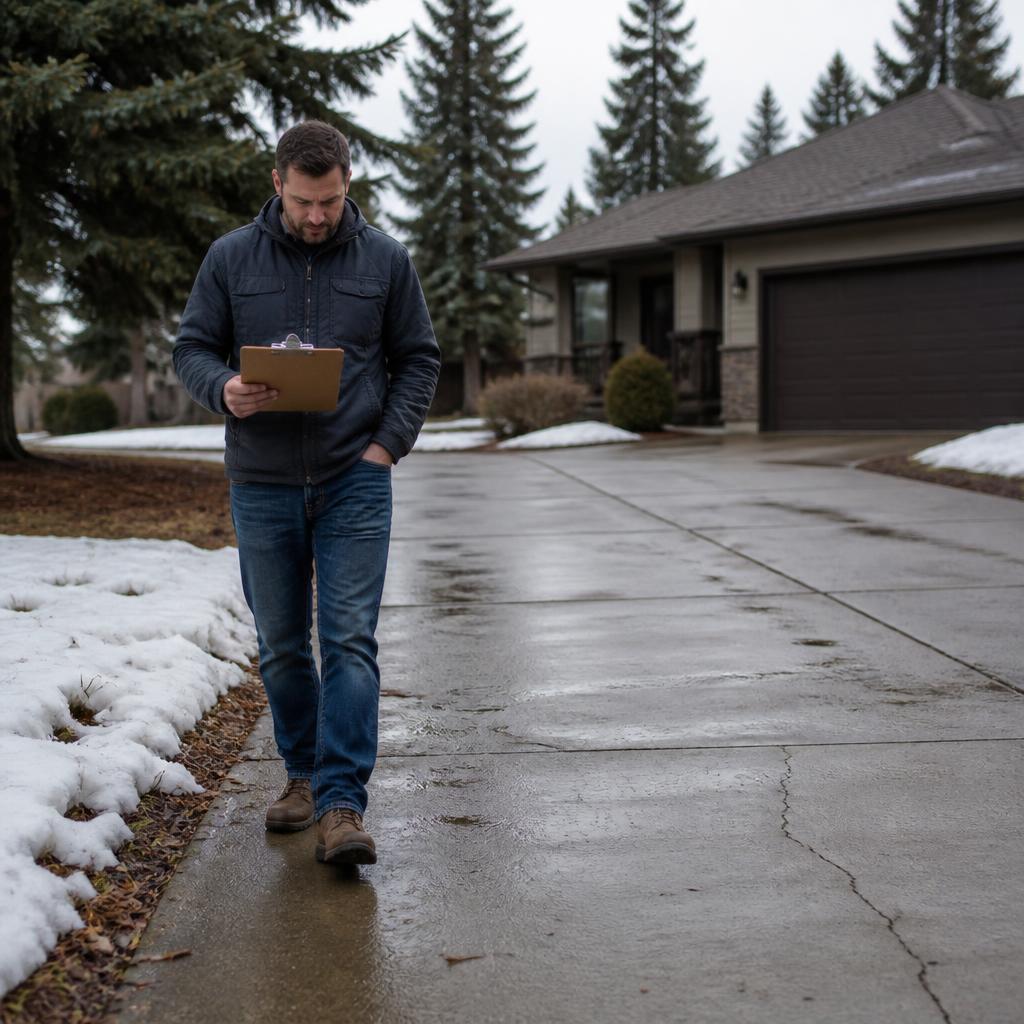
If you've ever looked closely at your driveway, sidewalk, or patio, you've probably noticed the straight lines or gaps between sections of concrete.
These are called **expansion joints**, and they're an important part of how concrete is designed to perform over time.
Many homeowners don't think much about them until weeds begin growing through them or they notice the joint beginning to separate.
Understanding what expansion joints do—and how to maintain them—can help Spokane homeowners protect their concrete for years to come.
Concrete naturally expands and contracts as temperatures change.
Expansion joints provide space for that movement to occur without placing unnecessary stress on the surrounding concrete.
Without properly functioning joints, concrete may be more likely to develop unwanted cracking as it responds to changing conditions. For more on what to watch for, see When Should You Be Concerned About Cracks in Concrete?.
Expansion joints help:
Although they're easy to overlook, expansion joints play an important role in many concrete installations, from driveways to sidewalks.
Throughout the year, Spokane experiences:
As temperatures rise and fall, concrete naturally responds to those changes.
Expansion joints help accommodate that normal movement.
Over time, expansion joints may collect:
If left unattended, these materials can trap moisture and make routine maintenance more difficult. Persistent moisture in and around joints is one factor discussed in Why Water Is Pooling on Your Driveway.
Homeowners can help keep expansion joints functioning by:
Routine observation often makes it easier to identify gradual changes. For a broader seasonal routine, see our Spring Concrete Inspection Checklist, and for more preventive habits, review 10 Ways Spokane Homeowners Can Help Prevent Concrete Settlement.
It's worth taking a closer look if you notice:
These conditions don't automatically mean major repairs are needed, but they may indicate that further evaluation is worthwhile.
Yes. The space allows concrete to expand and contract as temperatures change.
Removing weeds and debris helps keep joints cleaner and makes routine inspections easier.
Yes. Seasonal temperature changes and freeze-thaw cycles contribute to normal concrete movement throughout the year.
Spring and fall are excellent times to include them in your regular concrete inspection.
Expansion joints may seem like a small detail, but they play an important role in the long-term performance of driveways, sidewalks, patios, and other concrete surfaces.
By keeping them clean, monitoring seasonal changes, and including them in your routine property maintenance, Spokane homeowners can better understand how their concrete is performing and identify changes before they become larger concerns.
If you'd like a professional evaluation of your concrete, contact Spokane Concrete Leveling to schedule a free estimate.
Think Your Concrete May Qualify for Lifting?
Free on-site inspection · Fixed written quote · No obligation
Related services
Get a local estimate
Keep reading
Sealers protect the surface, but they don't solve settlement. Here's what sealers actually do — and don't do — for Spokane driveways, sidewalks, and patios.
A ten-minute walk around your Spokane home twice a year can catch settlement issues before they become expensive. Here's exactly what to look at — and what to write down.
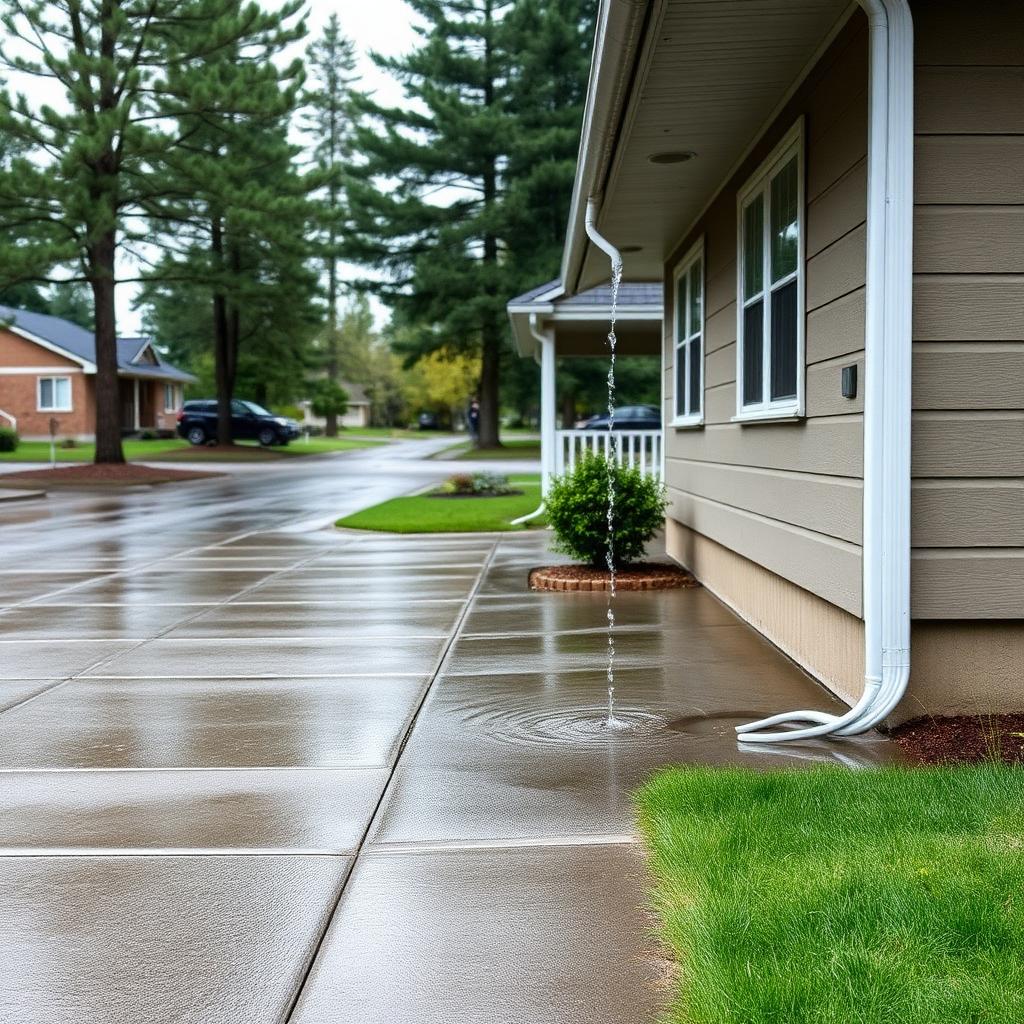
Drainage is the single biggest driver of concrete settlement on Spokane properties. Here's exactly how water undermines slabs — and the drainage fixes that protect them.
Have questions about your concrete? Need advice? Want a free estimate? We're here to help. Concrete leveling saves the slab you already have, at a fraction of the cost of replacement.
Free Estimates · Spokane-Focused Service · Clear Recommendations