5 min read
Do Concrete Sealers Actually Help in Spokane?
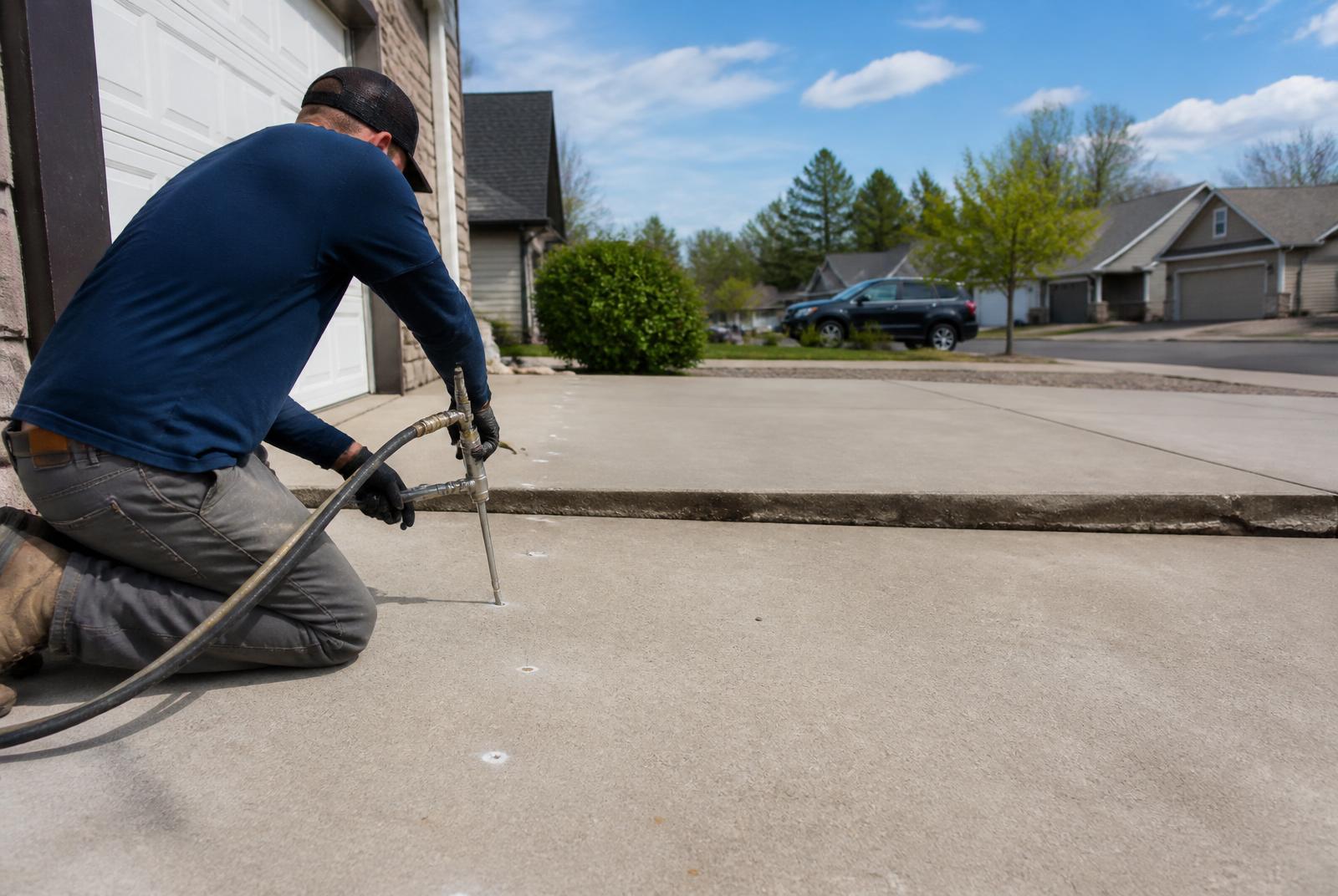
Sealers protect the surface, but they don't solve settlement. Here's what sealers actually do — and don't do — for Spokane driveways, sidewalks, and patios.
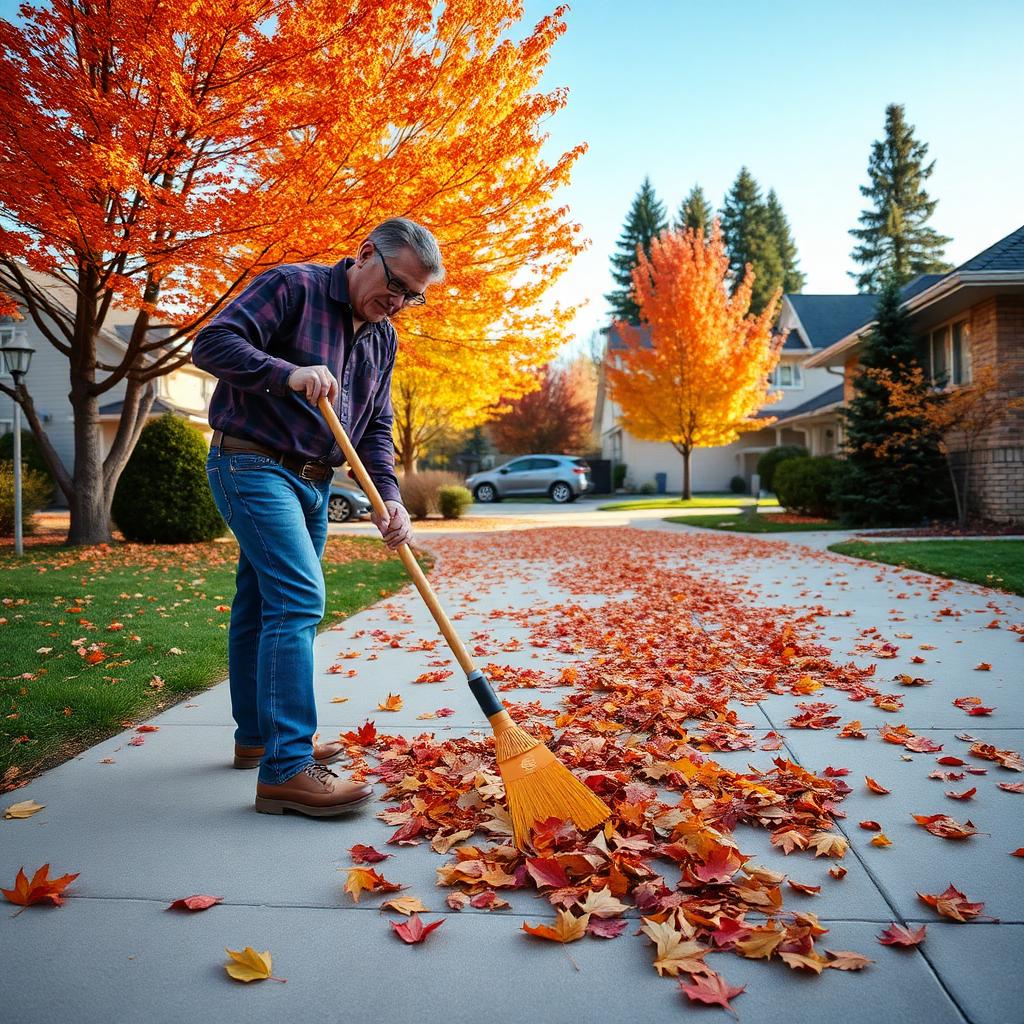
Prepare your Spokane driveway, sidewalks, patio, and other concrete surfaces for winter with this practical fall maintenance checklist.
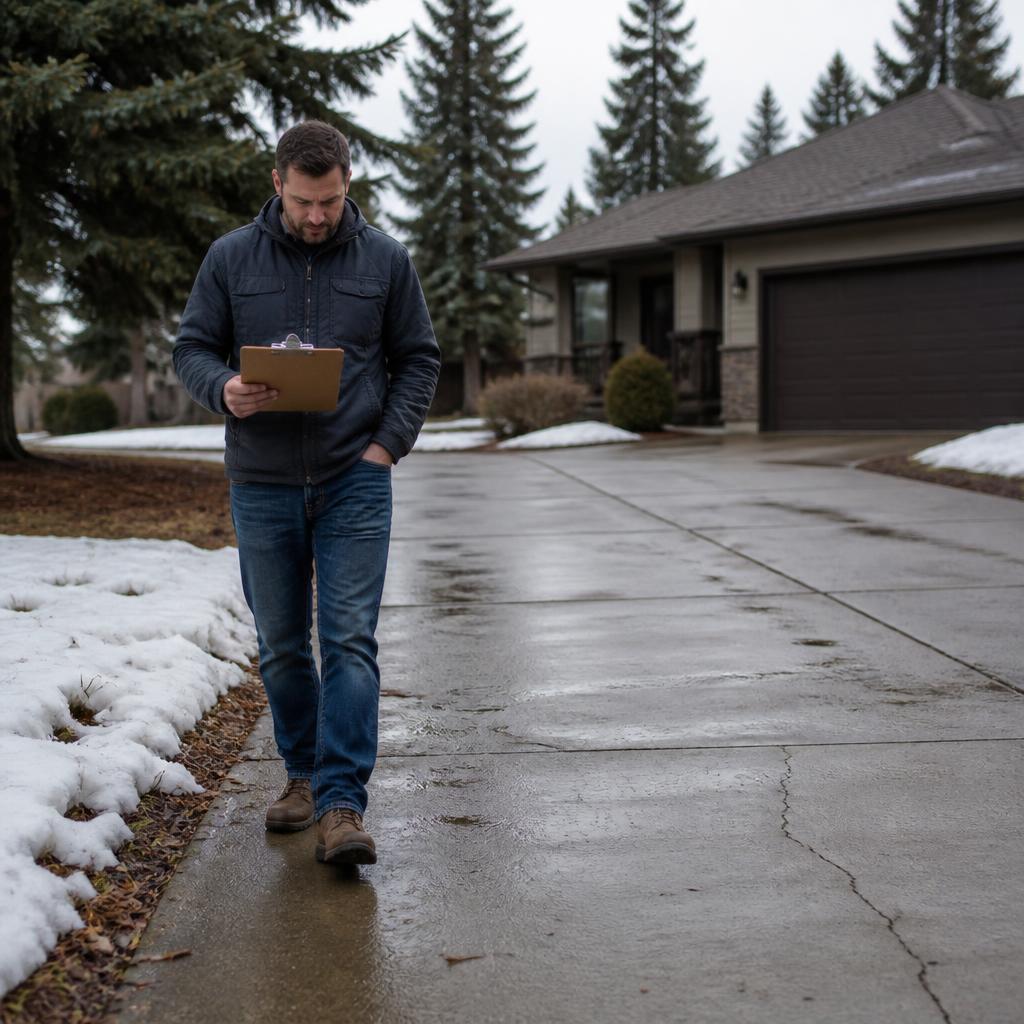
Autumn is one of the best times of year to inspect and prepare your outdoor concrete before Spokane's winter weather arrives.
Leaves begin falling, temperatures cool, and seasonal rain becomes more common. Taking a little time in the fall to inspect your driveway, sidewalks, patio, and other concrete surfaces can help you identify changes that developed over the summer and prepare your property for the months ahead.
Many of these inspections take only a few minutes and can become part of your regular seasonal home maintenance routine. If you also inspect in spring, our Spring Concrete Inspection Checklist makes a natural companion to this guide.
Winter introduces snow, ice, freeze-thaw cycles, and additional moisture. Learn more in How Spokane Winters Affect Concrete.
Walking your property before winter gives you an opportunity to identify concerns while weather conditions are still favorable.
Look for:
Leaves and organic debris can trap moisture against concrete.
Before winter arrives:
Keeping concrete clean also makes inspections much easier.
Autumn leaves often clog gutters.
Overflowing gutters may allow water to collect beside concrete surfaces.
Inspect:
Make sure water continues moving away from the home and surrounding concrete.
Walk your property after a fall rainstorm.
Watch for:
Identifying drainage issues before winter can help you monitor those areas during snowmelt. For more prevention strategies, see 10 Ways Spokane Homeowners Can Help Prevent Concrete Settlement.
Expansion joints should remain free of excessive debris. Learn more in What Are Expansion Joints and Why Do They Matter?.
Remove:
A quick cleaning makes seasonal inspections much easier.
Fall is a good time to compare the condition of your concrete with photographs taken earlier in the year.
Pay attention to:
Small changes are often easier to notice when comparing photographs from different seasons. If settlement affects your driveway, sidewalks, or patio, a professional evaluation can help you understand your options.
If you use a snow shovel or snow blower, become familiar with any uneven areas before snowfall covers them.
Knowing where slight elevation changes exist may help reduce accidental impacts with equipment during winter maintenance.
Fall inspections allow homeowners to identify drainage issues, cracks, and settlement before snow and ice make them more difficult to see.
Keeping gutters clear helps direct water through the drainage system instead of allowing it to overflow beside concrete.
Yes. Photographs taken each spring and fall provide a useful record of gradual changes over time.
Seasonal moisture, snow, and freeze-thaw cycles all influence outdoor concrete and the soil supporting it.
Preparing your property for winter doesn't require major projects.
Routine inspections, good drainage, clean gutters, and a few minutes spent observing your concrete each fall can help Spokane homeowners better understand how their property changes from season to season.
Small maintenance habits today may make it easier to recognize developing issues in the future.
If you'd like a professional evaluation of your concrete, contact Spokane Concrete Leveling to schedule a free estimate.
Think Your Concrete May Qualify for Lifting?
Free on-site inspection · Fixed written quote · No obligation
Related services
Get a local estimate
Keep reading
Sealers protect the surface, but they don't solve settlement. Here's what sealers actually do — and don't do — for Spokane driveways, sidewalks, and patios.
A ten-minute walk around your Spokane home twice a year can catch settlement issues before they become expensive. Here's exactly what to look at — and what to write down.
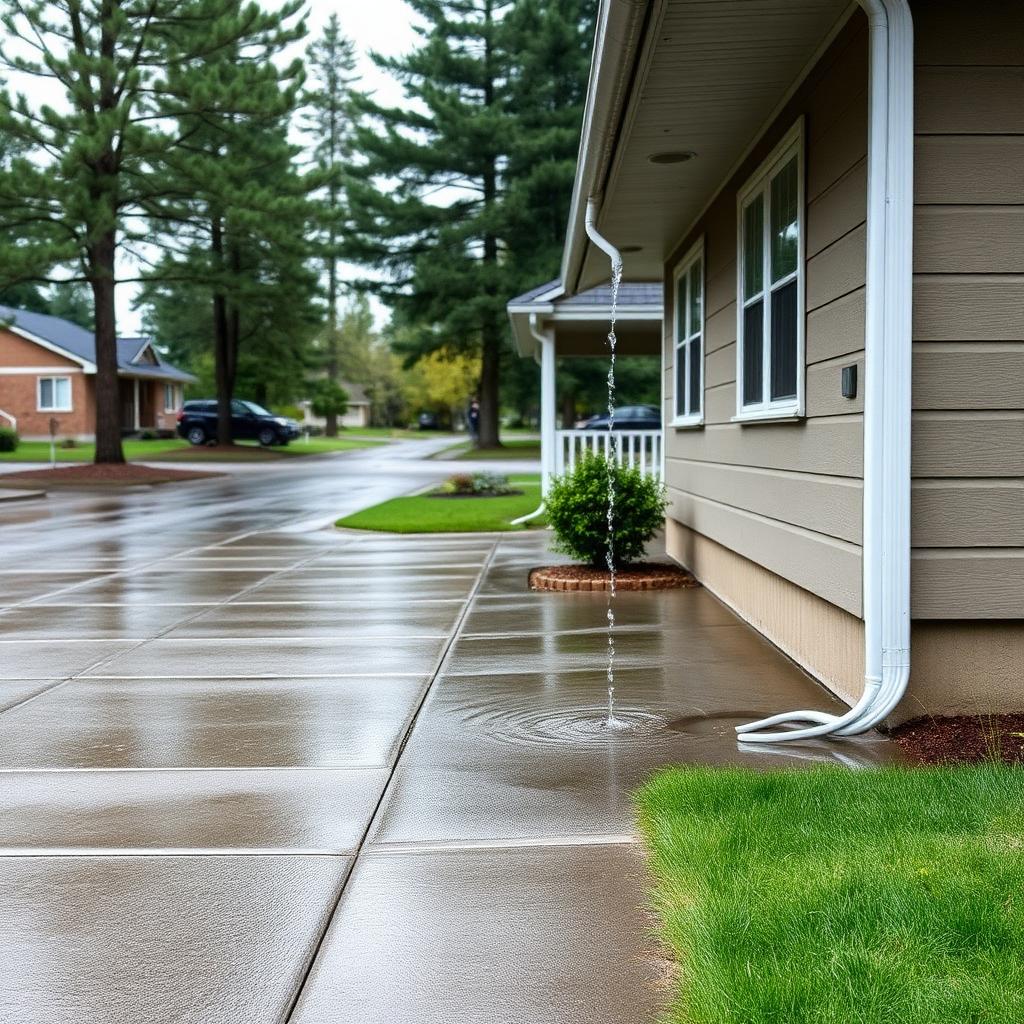
Drainage is the single biggest driver of concrete settlement on Spokane properties. Here's exactly how water undermines slabs — and the drainage fixes that protect them.
Have questions about your concrete? Need advice? Want a free estimate? We're here to help. Concrete leveling saves the slab you already have, at a fraction of the cost of replacement.
Free Estimates · Spokane-Focused Service · Clear Recommendations