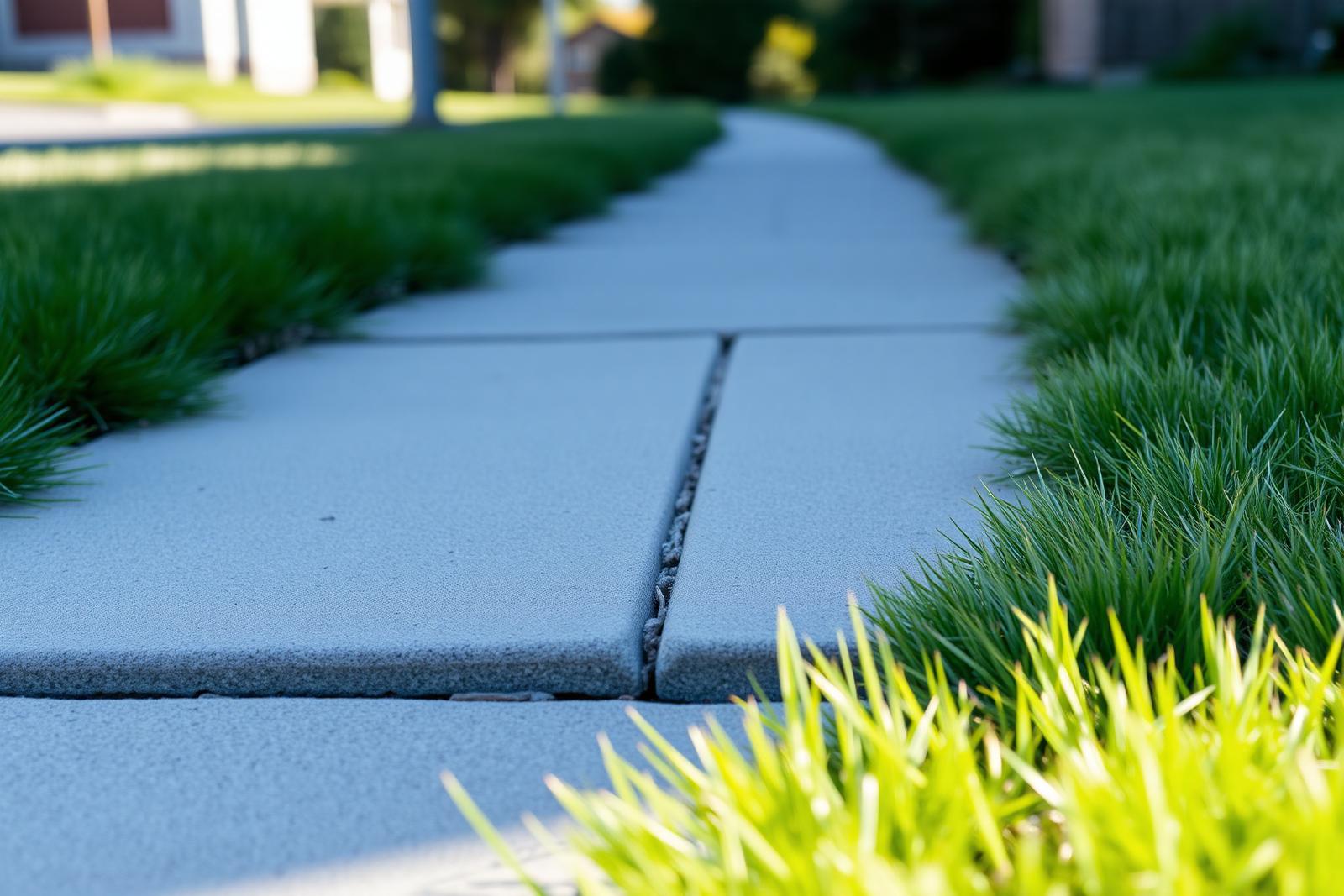
Learn why water may begin pooling on your driveway, sidewalk, or patio in Spokane and what it could indicate about drainage or concrete settlement.
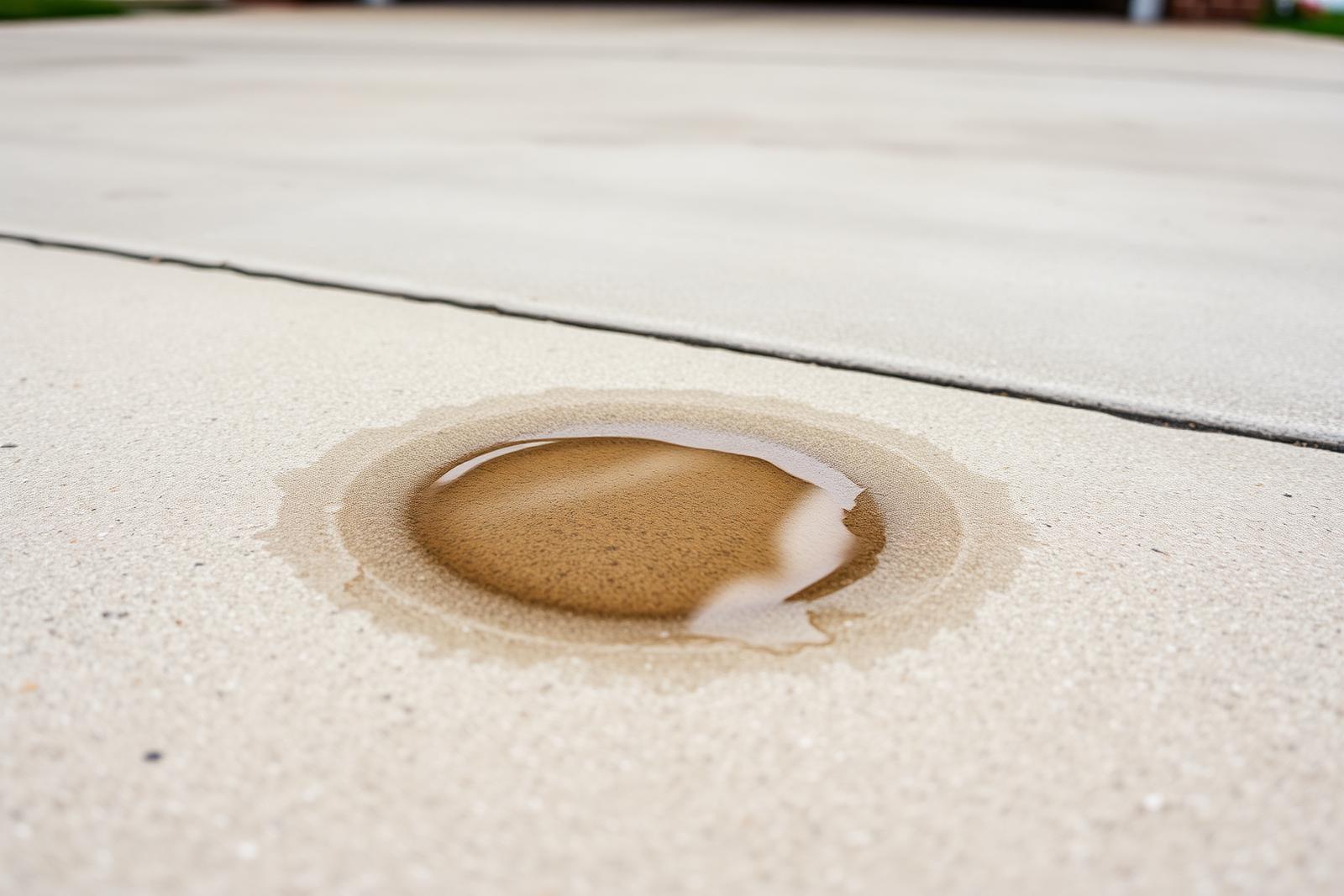
Many Spokane homeowners first notice a concrete problem not because of a crack or an uneven sidewalk—but because water suddenly begins collecting where it never used to.
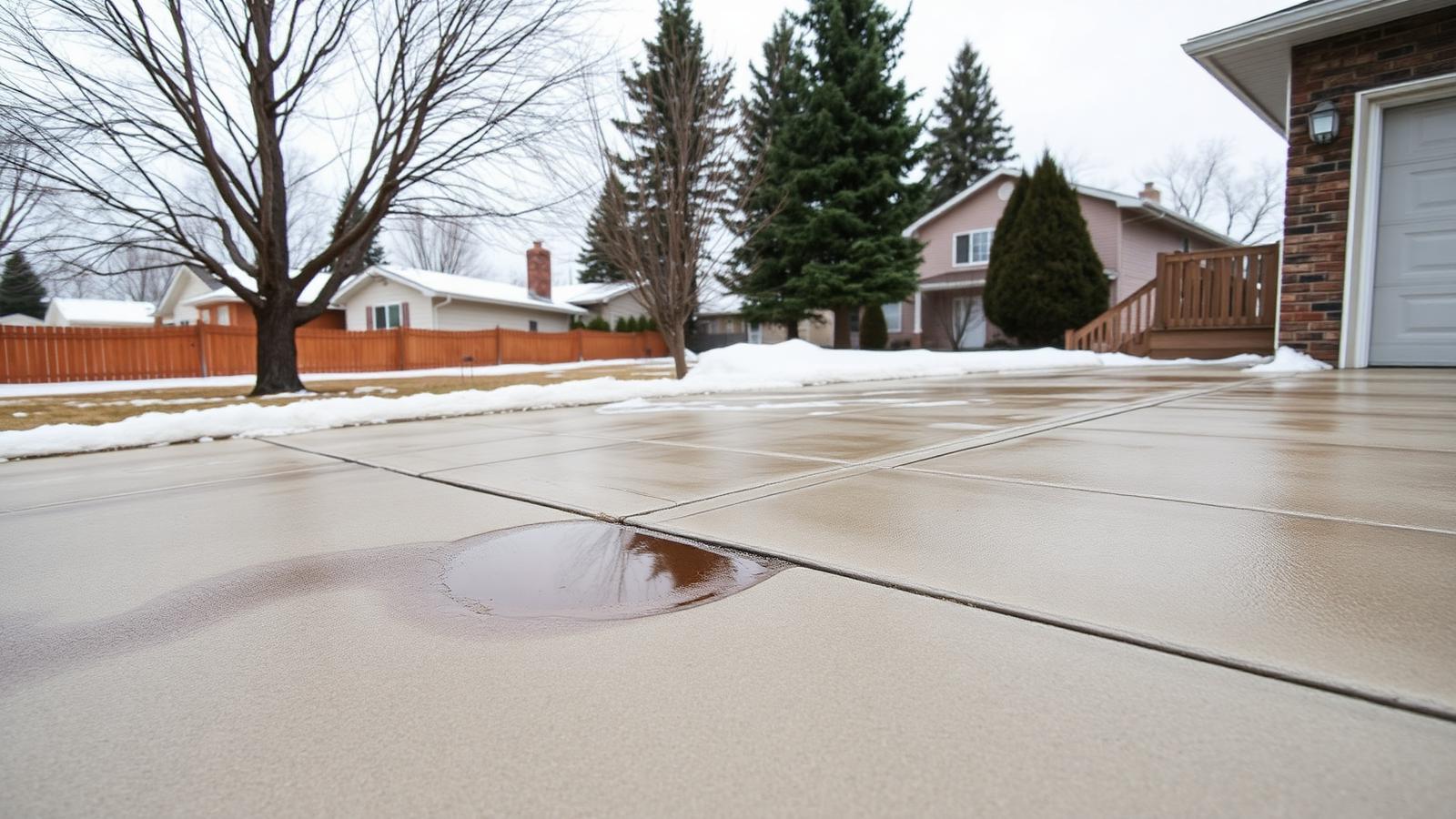
Maybe it's a puddle near the garage after a rainstorm. Maybe snowmelt sits in the same low spot every spring. Or perhaps part of your patio remains wet long after the rest has dried.
Although standing water doesn't always indicate a serious problem, it's often an early sign that the concrete or the soil beneath it has changed. Understanding why concrete sinks in Spokane and how Spokane winters affect concrete can help homeowners recognize developing issues before they become more noticeable. In many cases the fix is targeted sidewalk leveling or slab lifting rather than replacement — a decision our team walks through free for homeowners across Spokane and surrounding communities.
Why Water Pools
Water naturally follows the lowest point. If a section of concrete settles even slightly, the way water drains across the surface may change.
Common reasons include:
- Concrete settlement
- Soil movement
- Drainage changes
- Erosion beneath the slab
- Freeze-thaw cycles
- Long-term moisture changes
Spokane's Climate Plays a Role
Spokane experiences:
- Snow
- Spring snowmelt
- Winter rain
- Freeze-thaw cycles
- Seasonal moisture
These conditions continually change the amount of water moving through the soil. Over many years, changing moisture conditions may contribute to settlement beneath driveways, sidewalks, patios, and other concrete surfaces.
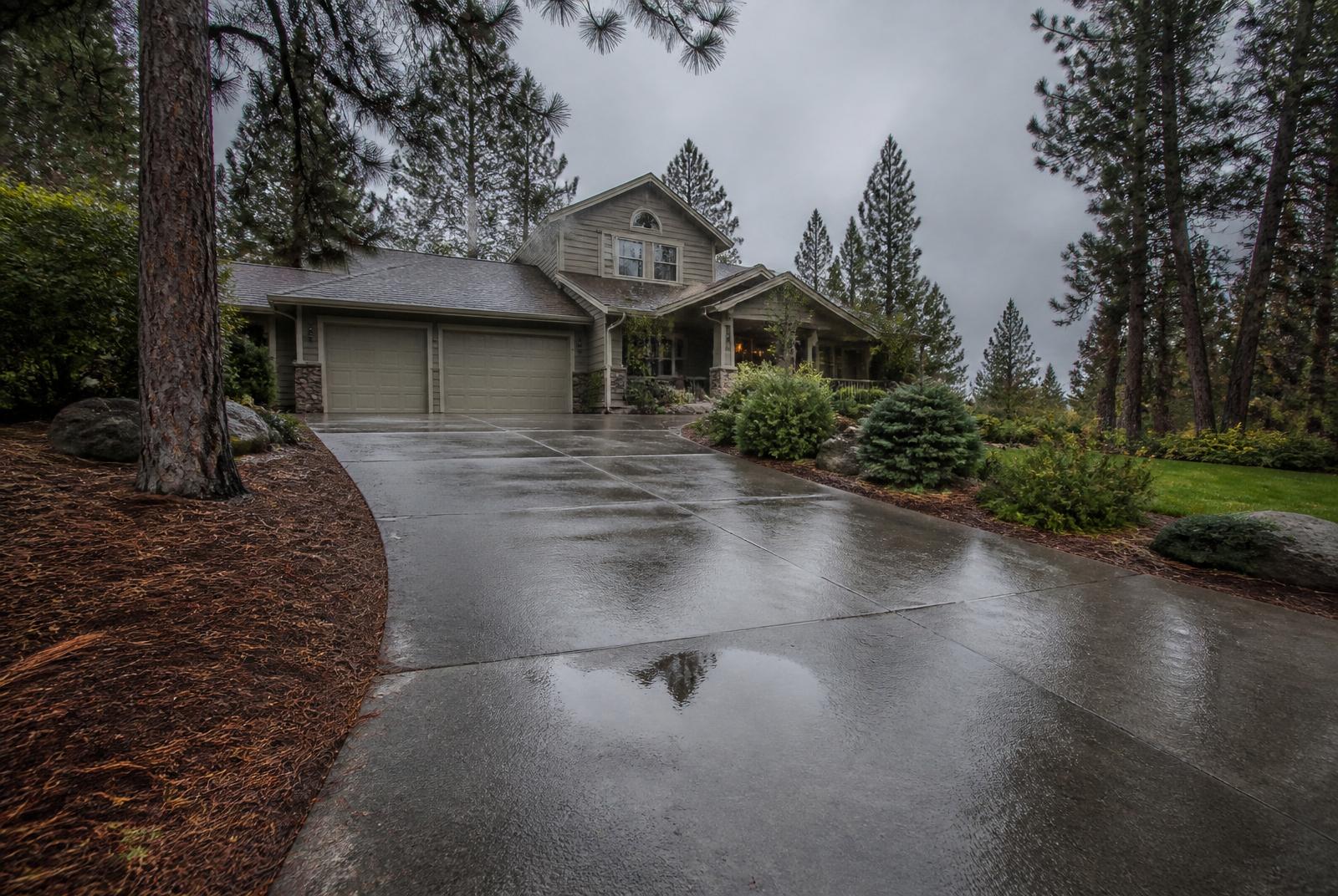
Driveway Warning Signs
Watch for:
- Water collecting near the garage
- Puddles that remain after surrounding areas dry
- Tire tracks filling with water
- Low spots developing over time
- New cracks near pooled water
If these signs sound familiar, driveway leveling may be worth exploring as part of a professional evaluation.
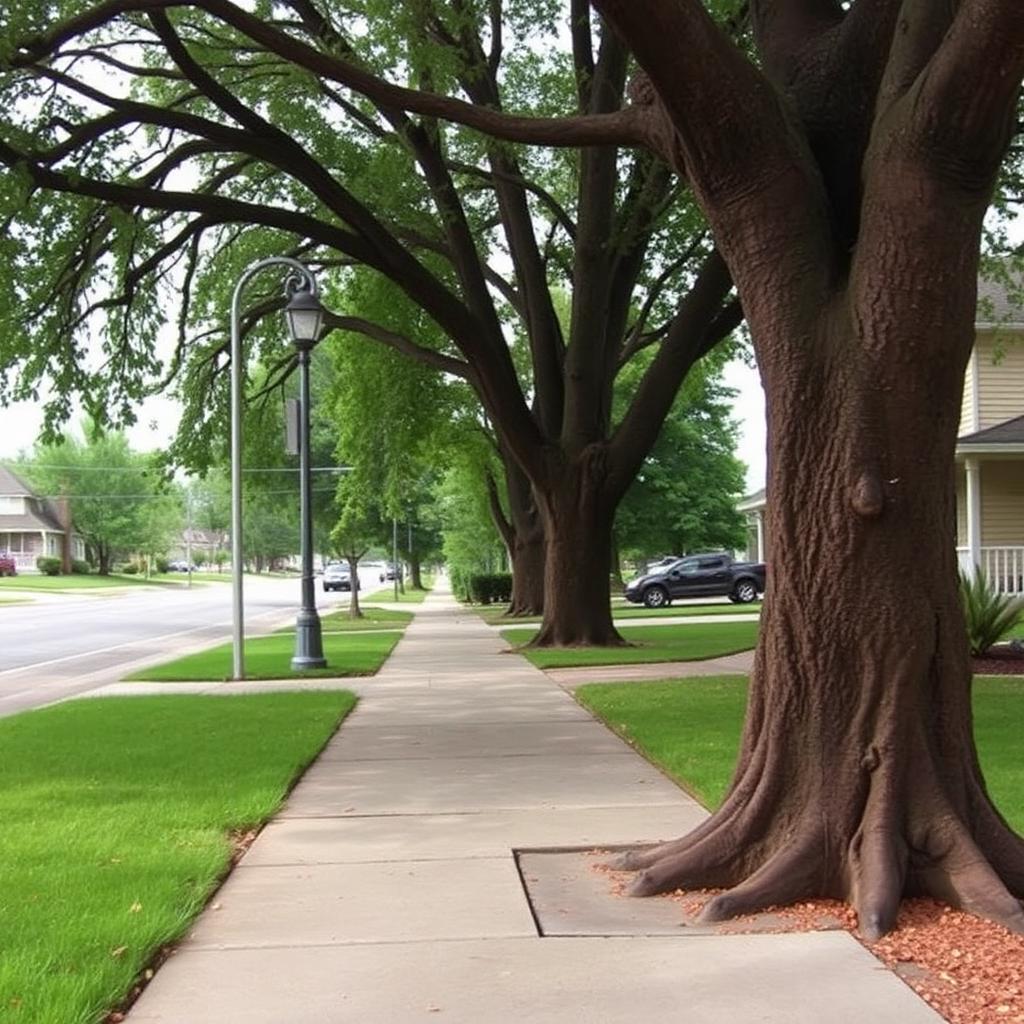
Sidewalk Warning Signs
Standing water along sidewalks may indicate:
- Minor settlement
- Drainage changes
- Soil erosion
- Changing slab elevations
Because sidewalks are heavily used, even small changes deserve attention.
Patio Warning Signs
Inspect patios after rain. Look for:
- Water collecting near the home
- Furniture sitting unevenly
- Persistent puddles
- Surface cracks
- Areas that remain damp longer than expected
Why Drainage Matters
Proper drainage helps move water away from concrete. Homeowners should periodically inspect:
- Gutters
- Downspouts
- Landscape grading
- Irrigation systems
- Areas where water consistently collects
Good drainage supports healthier soil conditions beneath outdoor concrete. For more on this topic, read our guide to downspouts and slab settlement.
When Should You Pay Attention?
Water that appears only during an unusually heavy storm may not indicate a problem.
However, if puddles begin forming in places where water never collected before—or seem to grow larger over time—it may be worth investigating the cause.
Monitoring changes from season to season can help identify developing settlement before it becomes more significant. Our spring concrete inspection checklist offers a simple framework for tracking these changes.
Frequently Asked Questions
Is standing water always caused by settlement?
No. Standing water may also result from grading, drainage, or other site conditions.
Can water pooling become worse over time?
If the underlying cause continues, drainage patterns may continue to change.
Does Spokane's winter weather contribute?
Yes. Freeze-thaw cycles, snowmelt, and seasonal moisture changes all influence drainage and soil conditions.
Should I monitor new puddles?
Yes. Taking photographs after rain can help determine whether conditions are changing over time.
Final Thoughts
Water pooling on concrete is often one of the earliest signs that something beneath the surface has changed.
By paying attention to drainage, monitoring seasonal changes, and inspecting concrete regularly, Spokane homeowners can better understand how their property is performing and recognize when additional evaluation may be helpful.
If you've noticed new or growing puddles on your driveway, sidewalk, or patio, contact Spokane Concrete Leveling to schedule a free estimate.