Learn what Spokane homeowners can expect during a professional concrete leveling estimate, including inspection, drainage evaluation, and repair recommendations.
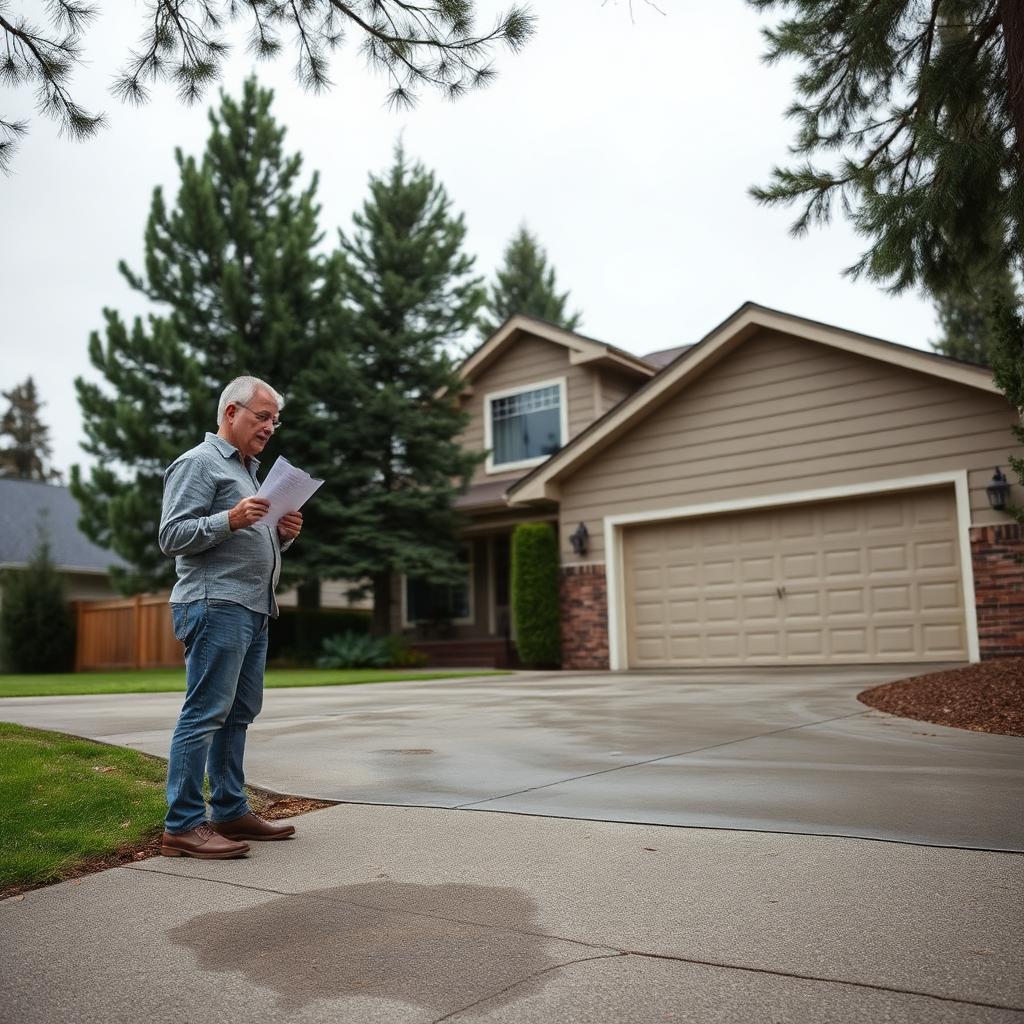
If you've never had concrete evaluated before, it's natural to wonder what actually happens during the visit.
Many Spokane homeowners assume a contractor simply measures the concrete and provides a price.
In reality, a quality evaluation is about understanding **why** the concrete settled—not just identifying that it has settled.
A thorough inspection helps determine whether the concrete remains structurally sound, what may have caused the movement, and which repair options may be appropriate for your property. To understand the underlying causes, our guide on why concrete sinks in Spokane offers helpful context.
Step 1 – Walking the Property
Most evaluations begin with a walk around the affected areas.
This allows the inspector to understand how the concrete fits into the overall property.
Areas commonly evaluated include:
- Driveways
- Sidewalks
- Patios
- Front steps
- Garage floors
- Pool decks
The goal is to understand the complete picture rather than looking at only one slab.
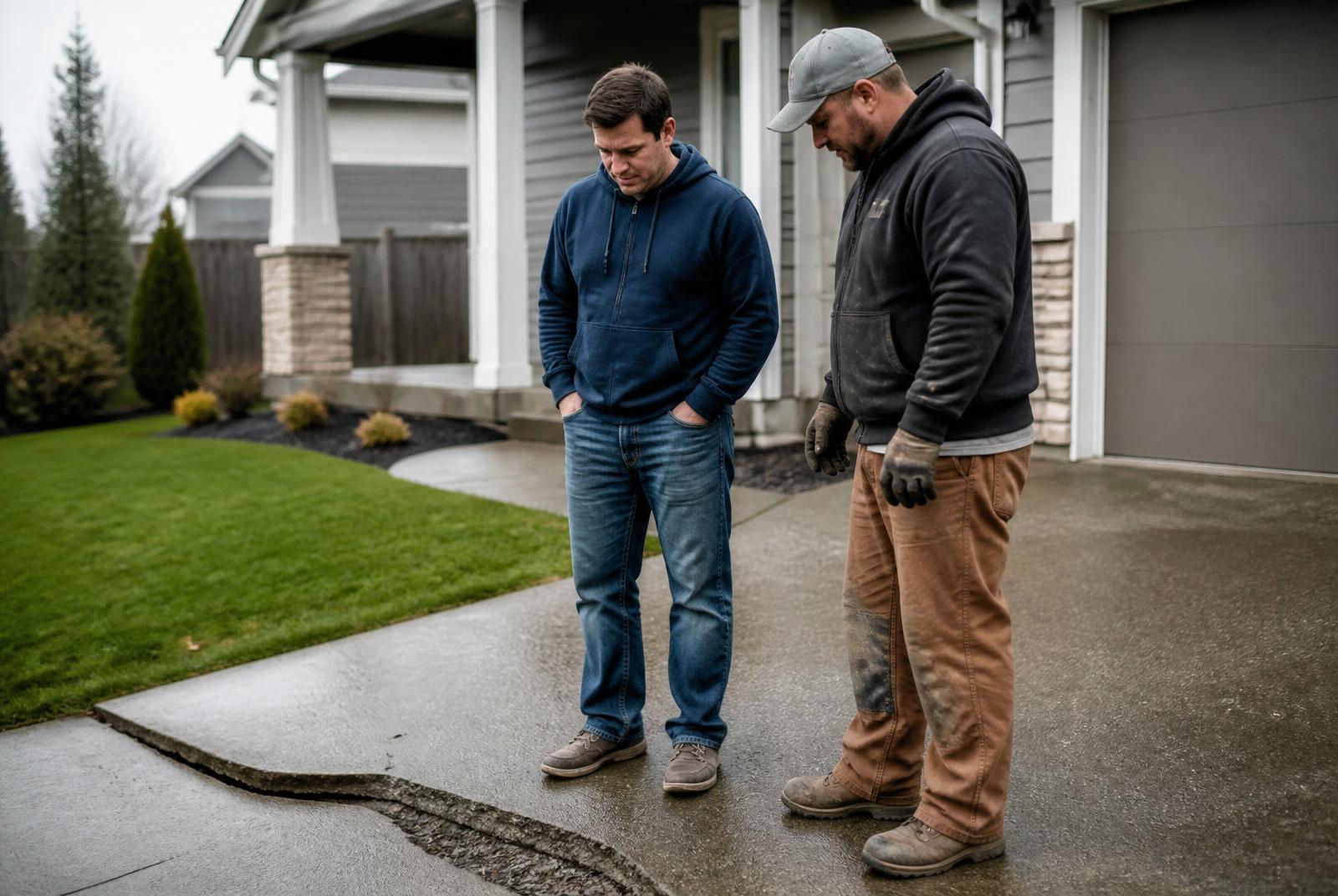
Step 2 – Looking for Signs of Settlement
During the inspection, attention may be given to:
- Uneven slabs
- Trip hazards
- Standing water
- Changes in elevation
- Cracks
- Separation between concrete sections
These observations help explain how the concrete has changed over time.
Step 3 – Evaluating Drainage
Water is often one of the biggest contributors to soil movement.
A thorough inspection may include looking at:
- Gutters
- Downspouts
- Landscape grading
- Irrigation
- Areas where water collects
Improving drainage may be an important part of protecting concrete over the long term.
Step 4 – Discussing Repair Options
Every property is different.
Depending on the condition of the concrete, the discussion may include:
- Concrete leveling
- Mudjacking
- Concrete replacement
- Drainage improvements
The purpose is to explain the available options so homeowners can make informed decisions. Our comparison of concrete leveling vs. replacement explains the trade-offs in more detail.
Step 5 – Answering Questions
A quality estimate should leave homeowners with a better understanding of their property.
Questions commonly discussed include:
- Why did the concrete settle?
- Is the slab still structurally sound?
- What repair options are available?
- What maintenance is recommended?
- What should be monitored in the future?
Homeowners should feel comfortable asking as many questions as necessary. If you're weighing timing, our guide on should you repair uneven concrete now or wait? can help frame the decision.
Preparing for Your Estimate
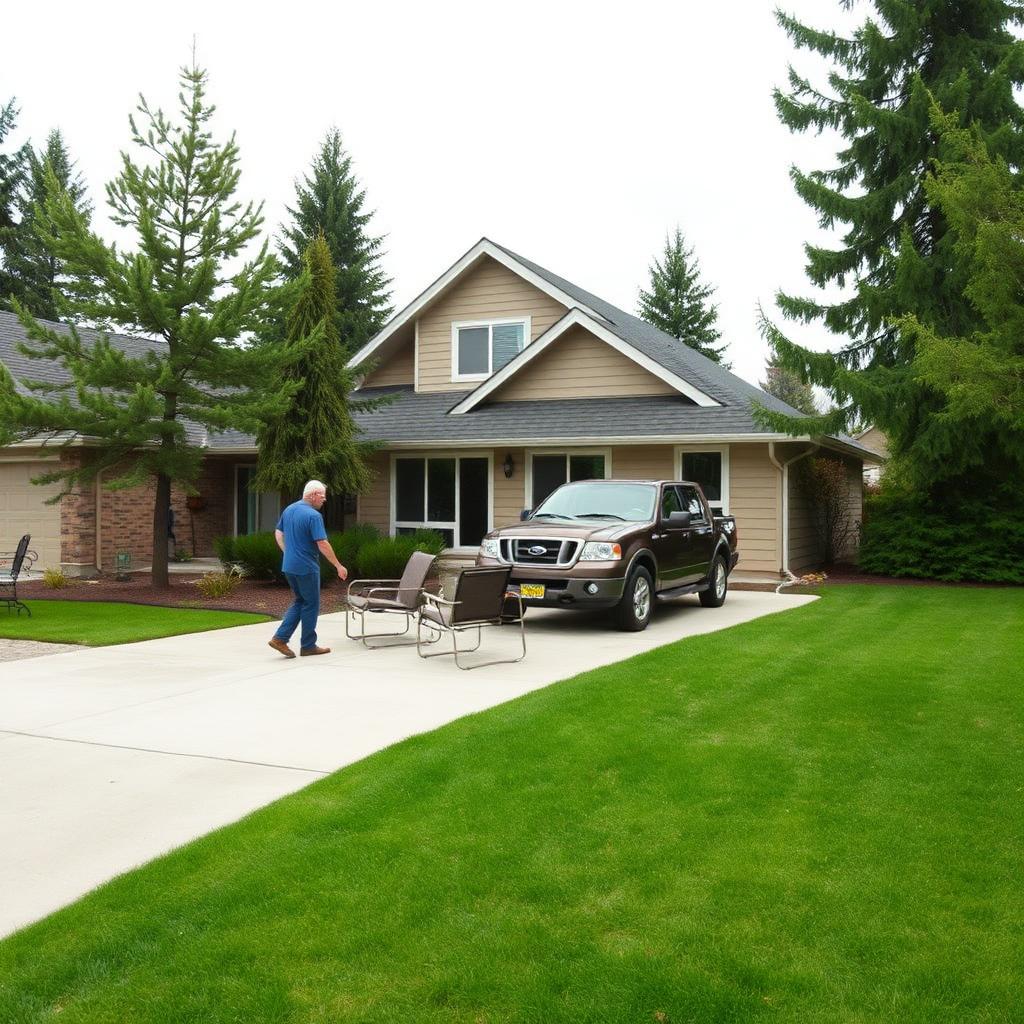
Before the appointment, consider:
- Moving vehicles from the driveway
- Clearing patio furniture if necessary
- Unlocking gates
- Making a list of questions
- Noting areas where water tends to collect
Simple preparation helps make the evaluation more efficient. If you're also thinking about resale, can uneven concrete affect your home's value? covers what buyers tend to notice.
Frequently Asked Questions
How long does an estimate usually take?
The amount of time varies depending on the size of the property and the number of areas being evaluated.
Do I need to be home?
Policies vary by company, but many homeowners choose to be present so they can ask questions and better understand the recommendations.
Will every estimate recommend the same repair?
Not necessarily. Different properties—and different contractors—may recommend different approaches based on the specific conditions observed.
Should I ask questions?
Absolutely. Understanding the recommendations is one of the most valuable parts of any evaluation.
Final Thoughts
A concrete leveling estimate is more than simply measuring a driveway or sidewalk.
It's an opportunity to better understand how your property has changed over time, what may have caused the settlement, and which repair options may be appropriate.
The more informed you are, the easier it becomes to make confident decisions about protecting your home.
Ready to schedule a walkthrough? Contact Spokane Concrete Leveling for a free estimate, or learn more about our driveway leveling and sidewalk leveling services.