Learn when it's safe to monitor uneven concrete and when Spokane homeowners should consider addressing settlement, trip hazards, or drainage changes sooner.
One of the most common questions Spokane homeowners ask after discovering uneven concrete is:
**"Can this wait, or should I do something about it now?"**
The answer depends on several factors.
Some concrete settlement changes very little over time, while other situations may continue to develop because of changing soil conditions, drainage issues, or repeated freeze-thaw cycles.
If you're still learning what causes settlement in the first place, our guide to why concrete sinks in Spokane explains the most common local causes.
Knowing what to watch for can help homeowners make informed decisions without feeling rushed.
Not Every Concrete Problem Is an Emergency
Finding a small crack or slight change in elevation doesn't necessarily mean immediate repairs are needed.
Many concrete surfaces remain stable for years.
The key is determining whether the condition appears to be changing.
Signs It May Be Reasonable to Continue Monitoring
Many homeowners choose to simply observe the area if:
- The concrete remains level
- Small cracks are not changing
- Water drains properly
- There are no trip hazards
- The condition has remained the same for several seasons
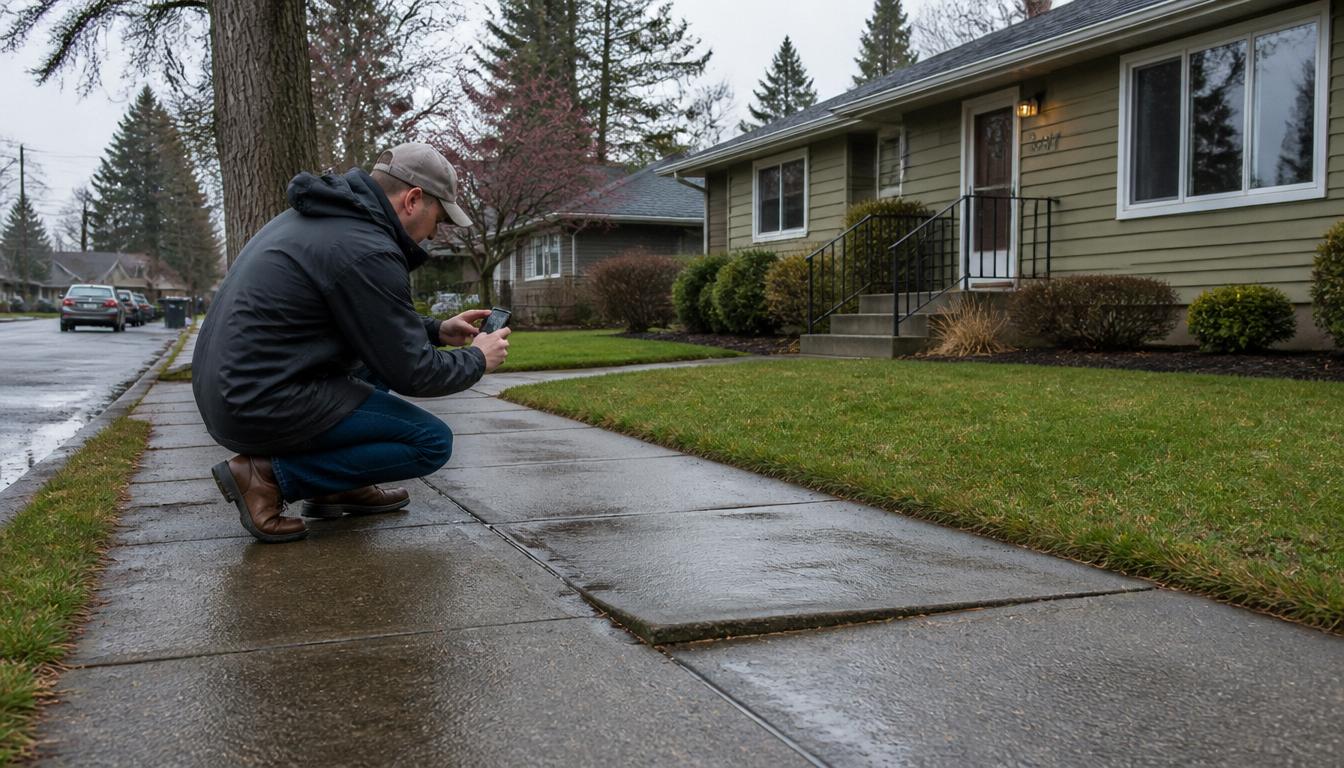
Photographs taken every few months make changes easier to recognize.
Signs You Should Pay Closer Attention
It may be worthwhile to investigate further if you notice:
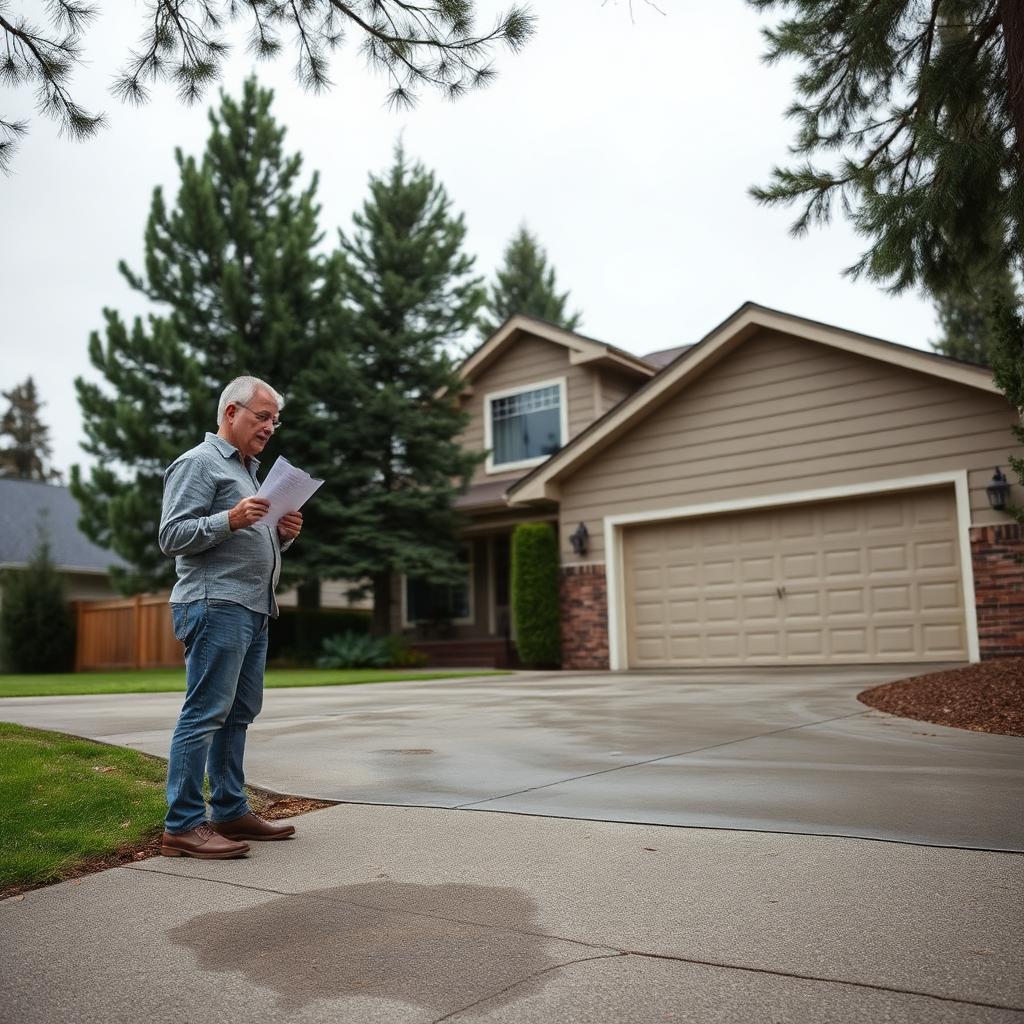
- Water beginning to pool where it never did before
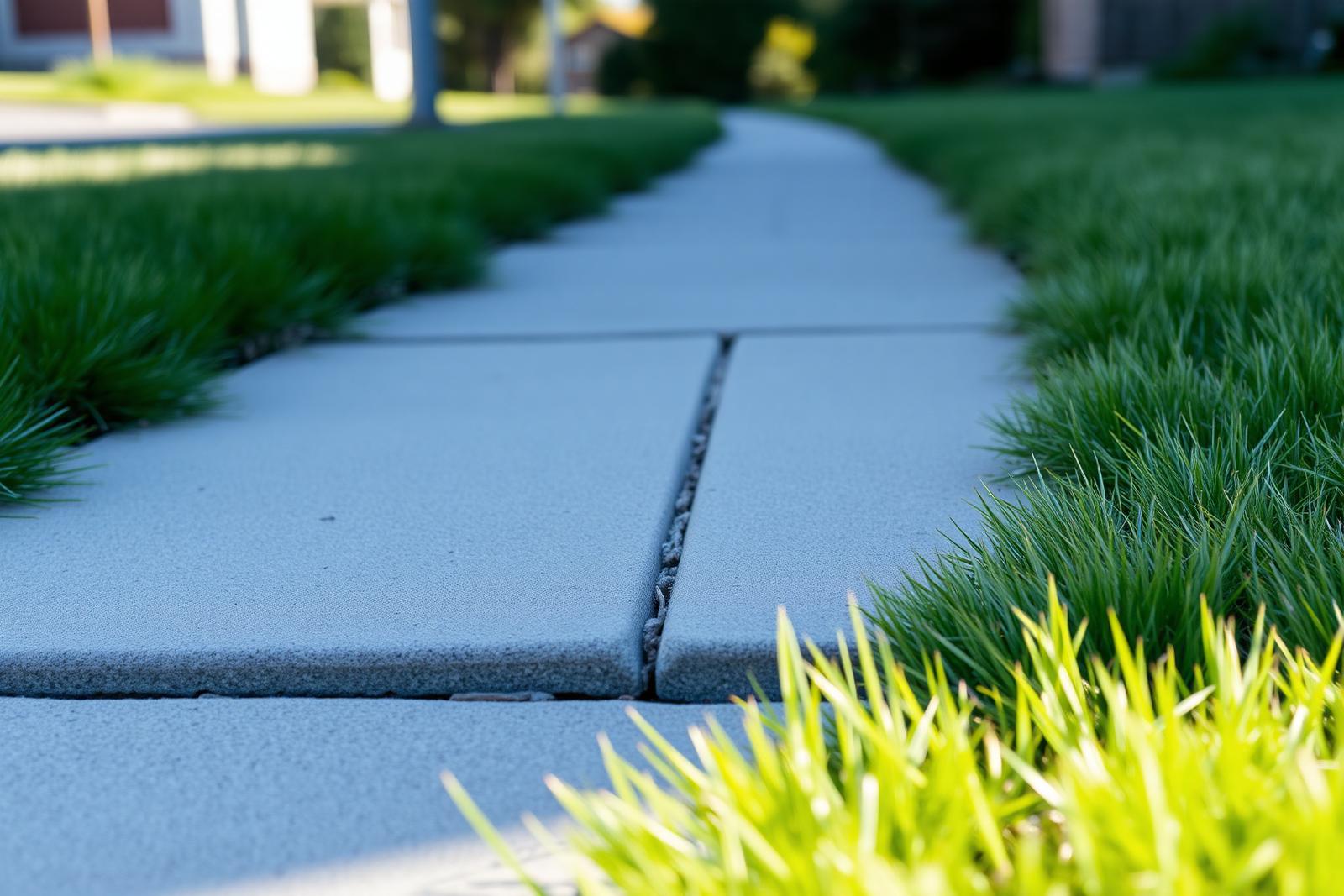
- Sidewalk sections becoming uneven
- Trip hazards developing
- Cracks widening over time
- Doors or gates no longer lining up with nearby concrete
- Settlement continuing from one season to the next
If water is starting to collect in new places, our article on why water is pooling on your driveway explains what that may indicate. For cracks that seem to be growing, read when should you be concerned about cracks in concrete.
These changes don't necessarily mean major repairs are required, but they do indicate that the condition deserves attention.
Spokane's Weather Can Accelerate Changes
Spokane's climate exposes outdoor concrete to:
- Winter snow
- Spring snowmelt
- Freeze-thaw cycles
- Seasonal rainfall
- Summer heat
These changing conditions influence the soil beneath concrete throughout the year.
Monitoring concrete after each winter is one of the best habits homeowners can develop. Our spring concrete inspection checklist offers a simple framework for tracking seasonal changes.
Safety Should Always Come First
Even relatively small changes in elevation can create trip hazards.
Pay particular attention to:
- Front walkways
- Entry steps
- Sidewalks
- Areas frequently used by children or older adults
If safety becomes a concern, it's generally wise to have the area evaluated sooner rather than later. Learn more about our driveway leveling and sidewalk leveling services.
Ask Yourself These Questions
Before deciding whether to wait, consider:
- Has the concrete changed since last year?
- Is water draining differently?
- Is the area becoming harder to walk across?
- Have cracks become larger?
- Has anyone tripped or stumbled?
If you answer "yes" to several of these questions, it may be time to learn more about the condition of the slab.
Frequently Asked Questions
Is it okay to monitor concrete for a while?
Yes. Many homeowners monitor stable conditions over time using photographs and seasonal inspections.
Can settlement stop on its own?
Sometimes conditions remain stable, while other situations continue to change. Every property is different.
Does Spokane's climate affect how quickly settlement changes?
Seasonal moisture and freeze-thaw cycles can influence soil movement over time.
What's the best time of year to inspect concrete?
Spring and fall are excellent times to evaluate outdoor concrete and drainage conditions.
Final Thoughts
Not every uneven slab requires immediate attention.
The most important step is understanding whether the condition is stable or changing.
Routine inspections, good drainage, and seasonal monitoring help Spokane homeowners recognize developing issues early and make informed decisions about maintaining their property.
If you've noticed changes that concern you, contact Spokane Concrete Leveling to schedule a free estimate.