6 min read
When Should Businesses Repair Uneven Sidewalks in Spokane?
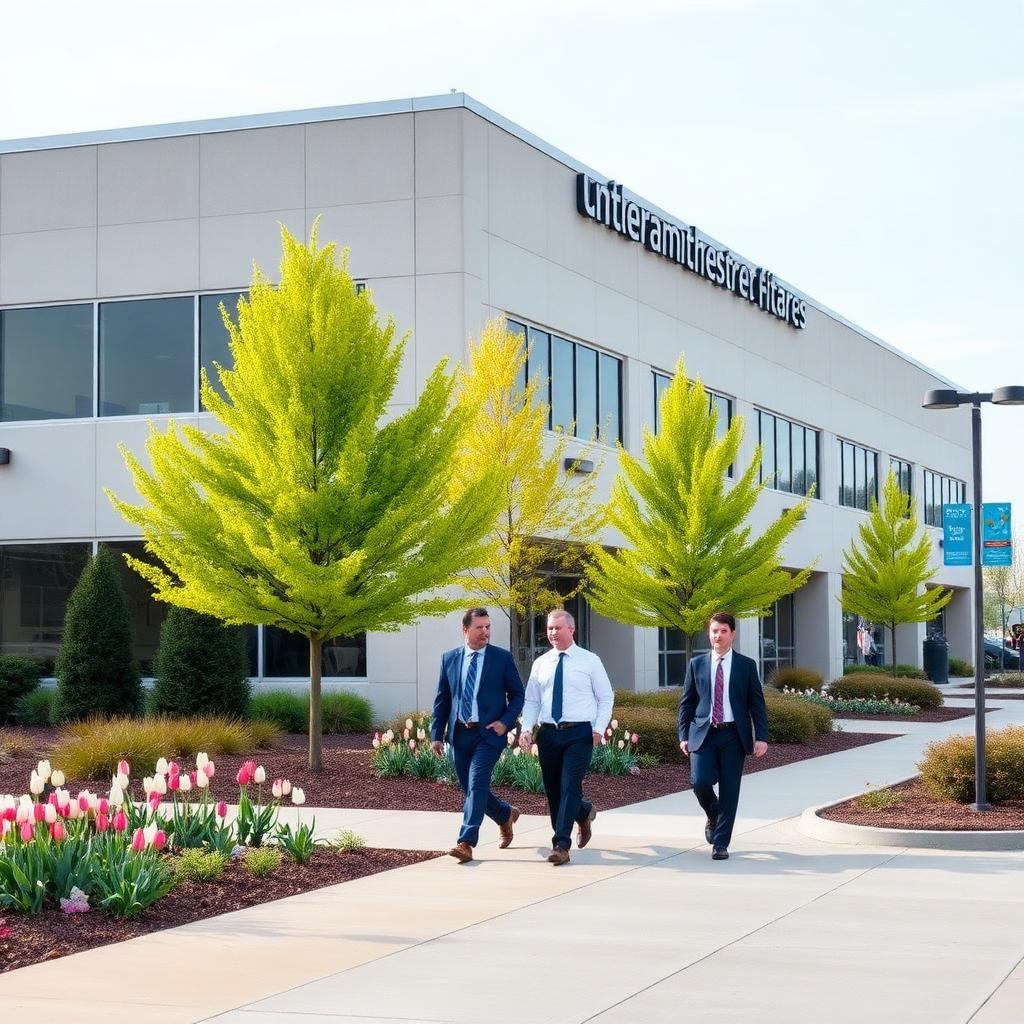
For Spokane commercial property owners, uneven sidewalks are a liability question, not just a maintenance one. Here's how to decide when to repair — and how to document the fix.

Learn practical concrete maintenance tips for Spokane HOAs, condominium associations, and community managers responsible for sidewalks, walkways, and common areas.
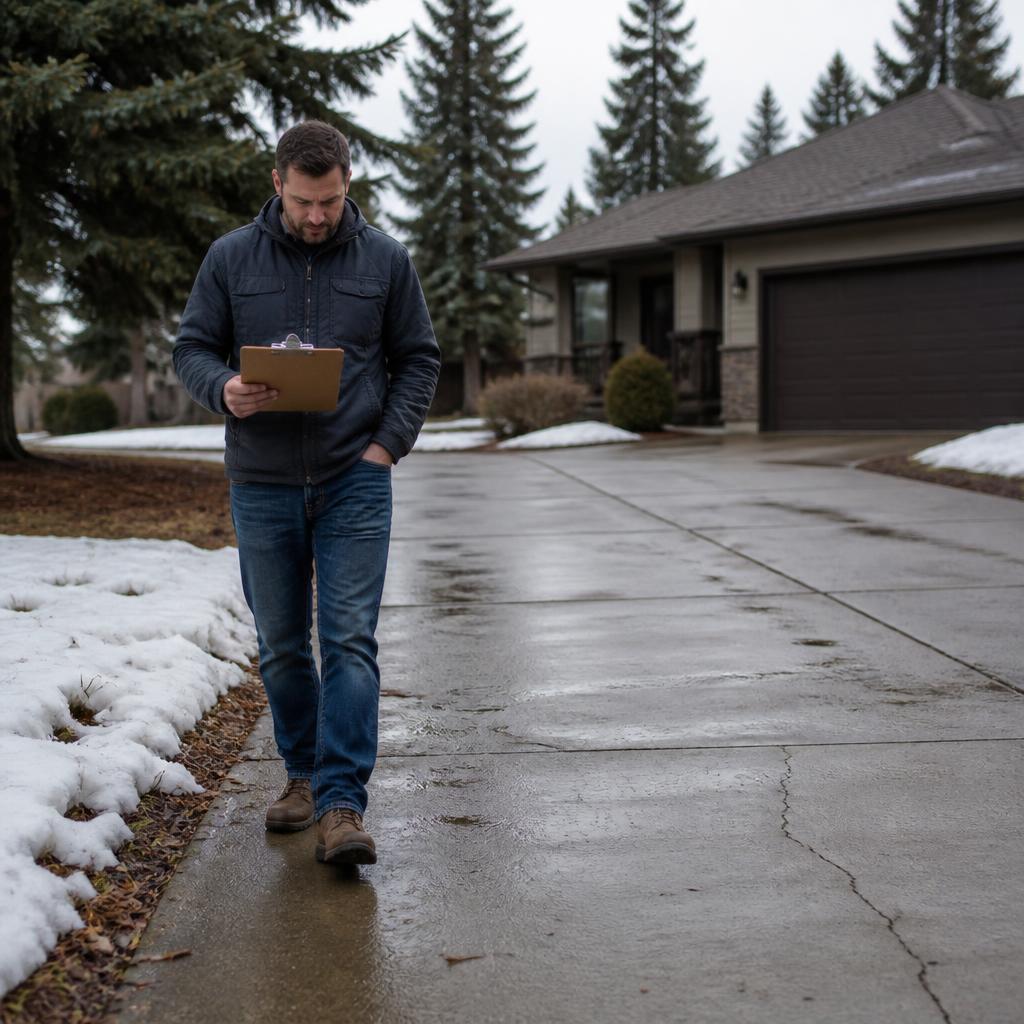
Homeowners associations (HOAs), condominium associations, and community managers are responsible for maintaining common areas that residents use every day.
Sidewalks, walkways, entry paths, clubhouses, pool decks, mail kiosk areas, and community gathering spaces all experience regular foot traffic throughout the year.
Because concrete changes gradually, routine inspections and preventative maintenance can help identify developing issues before they become larger projects. Many of the same principles apply to business properties — see Commercial Sidewalk and Walkway Maintenance for Spokane Businesses.
Unlike a single-family home, HOA communities often maintain hundreds—or even thousands—of square feet of concrete.
Small changes may go unnoticed simply because there is so much area to inspect.
Regular walkthroughs help identify:
For guidance on recognizing uneven walking surfaces, see How to Spot Trip Hazards Around Your Spokane Home — the same visual cues apply to community common areas.
Community managers should include:
Each area experiences different levels of pedestrian traffic and seasonal weather.
HOA concrete throughout Spokane experiences:
Over many years, these conditions may influence drainage and the soil beneath outdoor concrete. Learn more in How Spokane Winters Affect Concrete.
Conducting inspections after winter and again before winter returns allows HOA boards to monitor changes more consistently.
Many communities benefit from a seasonal inspection routine. Our Spring Concrete Inspection Checklist is a helpful starting point.
Keeping a consistent schedule makes gradual changes easier to identify from year to year.
Maintaining simple records can make future planning easier.
Consider documenting:
These records help communities monitor long-term changes rather than relying on memory alone. When settled slabs are identified, sidewalk leveling and commercial concrete leveling are often less disruptive than full replacement.
Many associations inspect common areas several times each year, especially after winter and before snow season.
Spring often reveals changes that developed during winter, including drainage issues and new settlement.
Yes. Annual photographs provide a useful reference for comparing conditions over time.
Routine visual inspections are often one of the simplest maintenance practices a community can perform.
Well-maintained sidewalks and common areas contribute to a safer and more attractive community.
By performing regular inspections, documenting changes, and monitoring drainage throughout the year, Spokane HOA boards and property managers can better understand how their concrete changes over time and plan maintenance more effectively.
For a professional evaluation of your community's concrete, contact Spokane Concrete Leveling to schedule an estimate.
Think Your Concrete May Qualify for Lifting?
Free on-site inspection · Fixed written quote · No obligation
Related services
Get a local estimate
Keep reading
For Spokane commercial property owners, uneven sidewalks are a liability question, not just a maintenance one. Here's how to decide when to repair — and how to document the fix.
Learn why routine sidewalk inspections and concrete maintenance are important for Spokane businesses, commercial properties, and property managers.
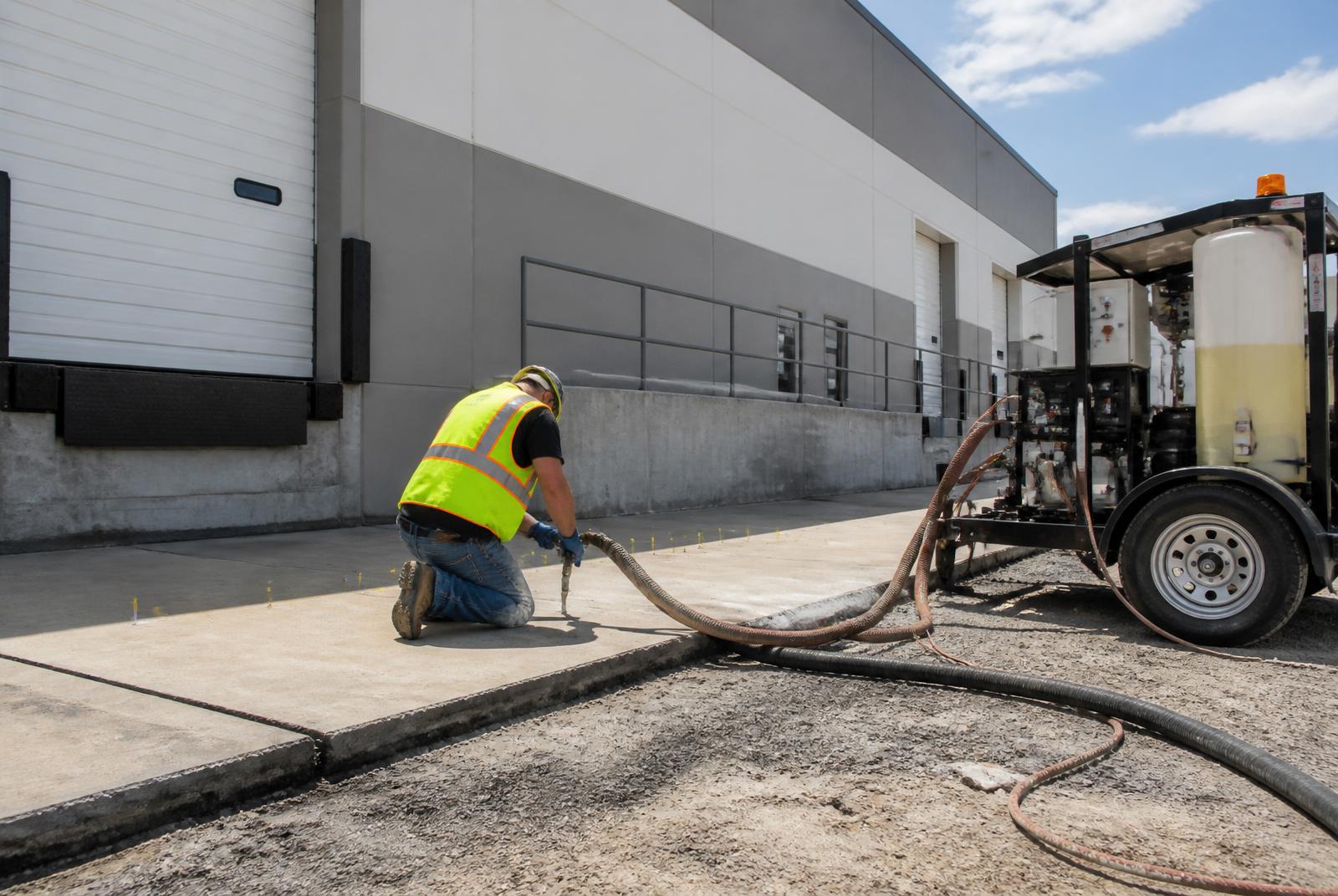
How specialty foam injection restores warehouse floors, loading docks and forklift lanes — usually on a weekend, without pulling a single pallet.
Have questions about your concrete? Need advice? Want a free estimate? We're here to help. Concrete leveling saves the slab you already have, at a fraction of the cost of replacement.
Free Estimates · Spokane-Focused Service · Clear Recommendations