Learn what affects the lifespan of a concrete driveway in Spokane, including weather, drainage, maintenance, and soil conditions.
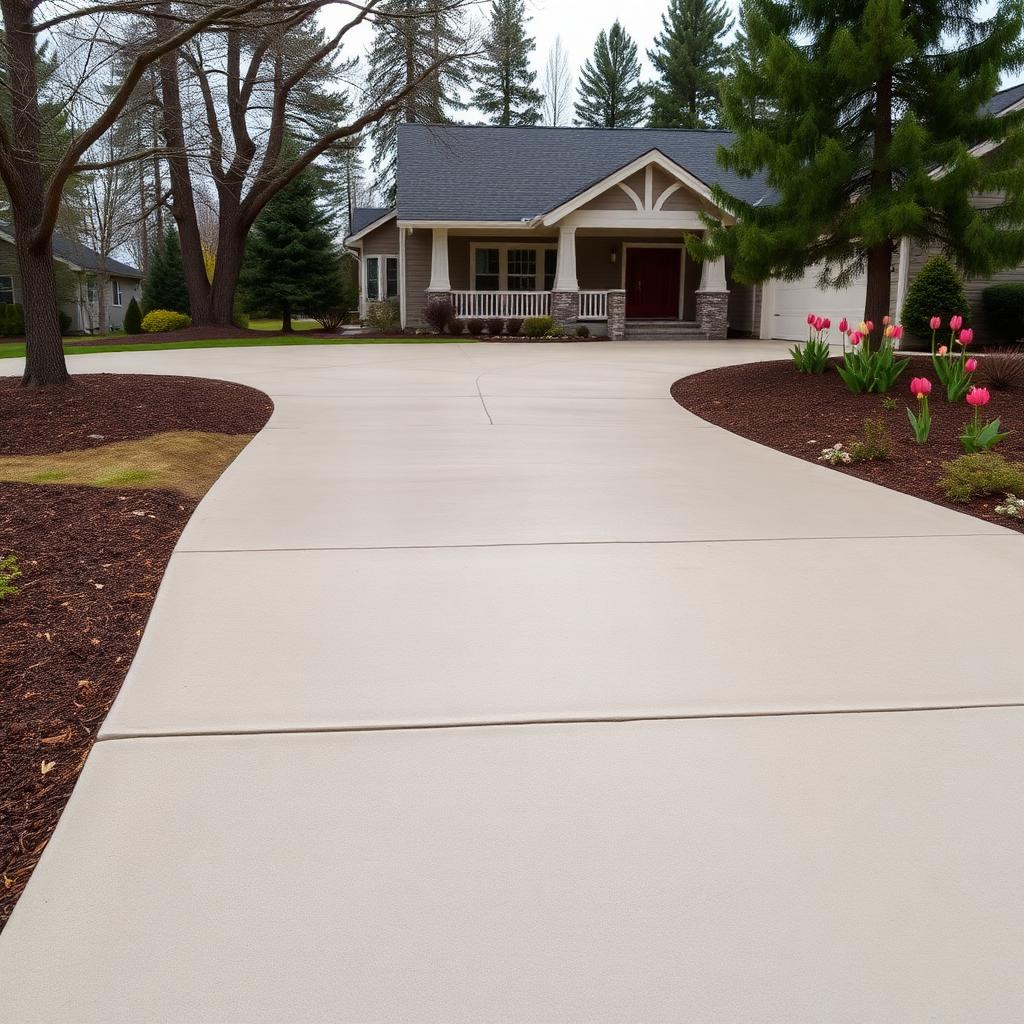
A concrete driveway is one of the largest hardscape investments many homeowners make.
Naturally, one of the most common questions is:
**"How long should my driveway last?"**
The answer depends on several factors, including installation quality, drainage, maintenance, weather, soil conditions, and how the driveway is used.
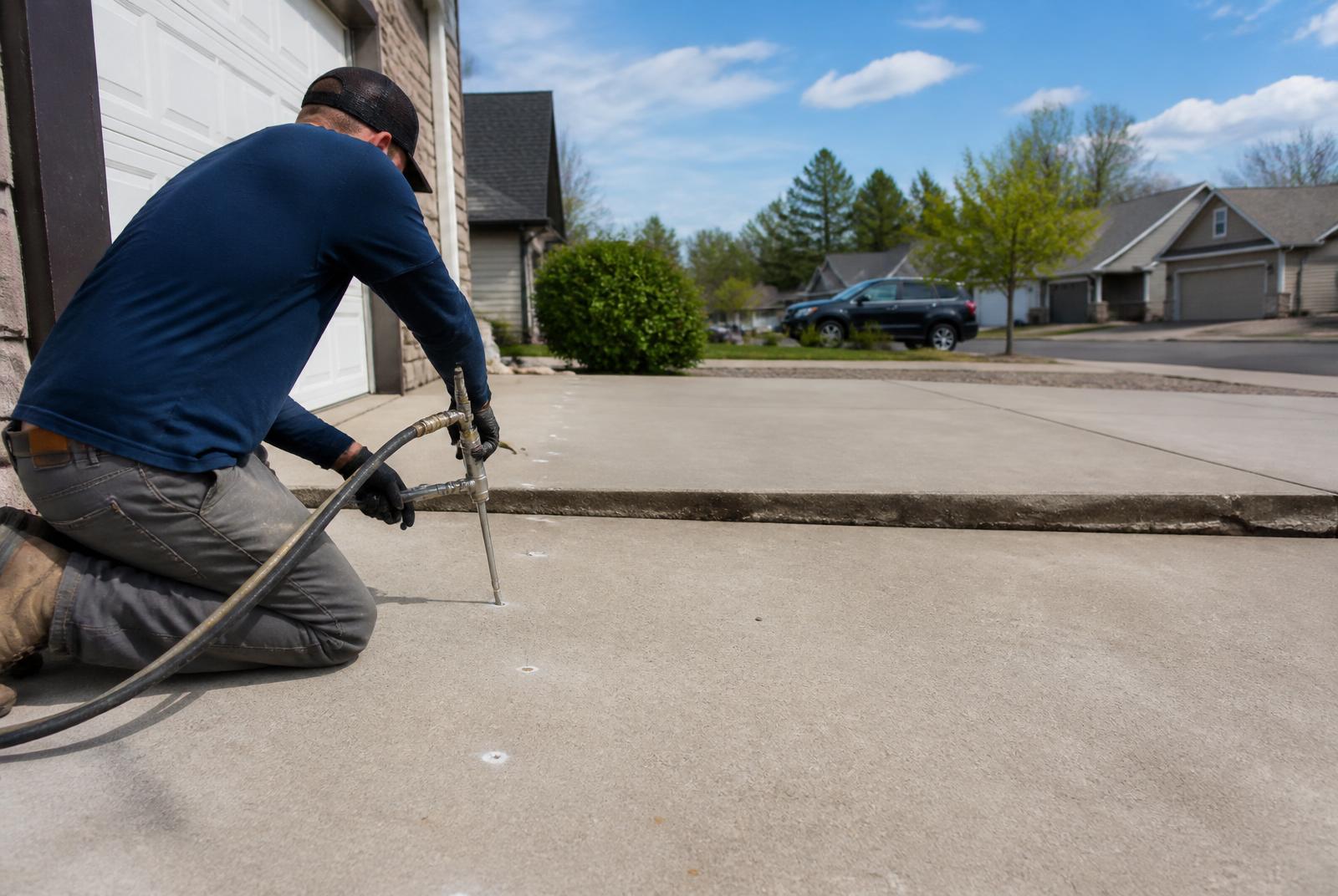
While every property is unique, understanding what affects the lifespan of concrete can help Spokane homeowners better protect their investment. For a deeper look at what causes movement over time, see Why Concrete Sinks in Spokane — and if your slab has already settled, our concrete leveling service often extends a driveway's usable life. Homeowners across Spokane and the surrounding area we serve can compare options before deciding on replacement.
What Affects the Life of a Driveway?
Concrete itself is durable.
However, the soil beneath it, surrounding drainage, and Spokane's changing seasons all influence how well it performs over time.
Some of the biggest factors include:
- Proper installation
- Stable soil
- Drainage
- Freeze-thaw cycles
- Vehicle traffic
- Routine maintenance
Spokane's Climate
Outdoor concrete in Spokane experiences:
- Winter snow
- Ice
- Spring snowmelt
- Freeze-thaw cycles
- Summer heat
These seasonal changes influence both the concrete and the supporting soil beneath it.
Drainage Is One of the Biggest Factors
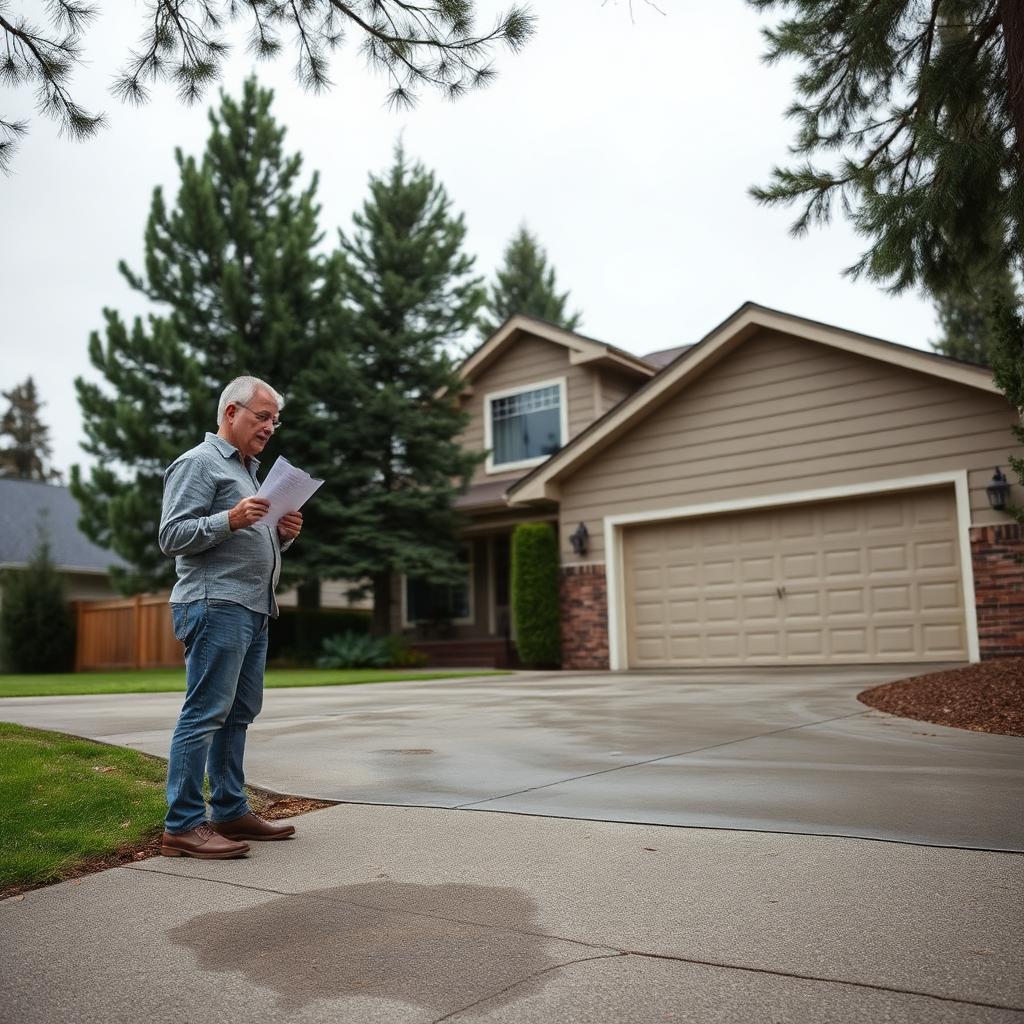
Water that remains beneath or beside a driveway may gradually change the supporting soil. Our guide on Why Water Is Pooling on Your Driveway explains common causes to look for.
Homeowners should periodically inspect:
- Downspouts
- Gutters
- Drainage patterns
- Standing water
- Low areas
Keeping water moving away from the driveway helps maintain healthier soil conditions.
Vehicle Traffic
Most residential driveways are designed for normal passenger vehicles.
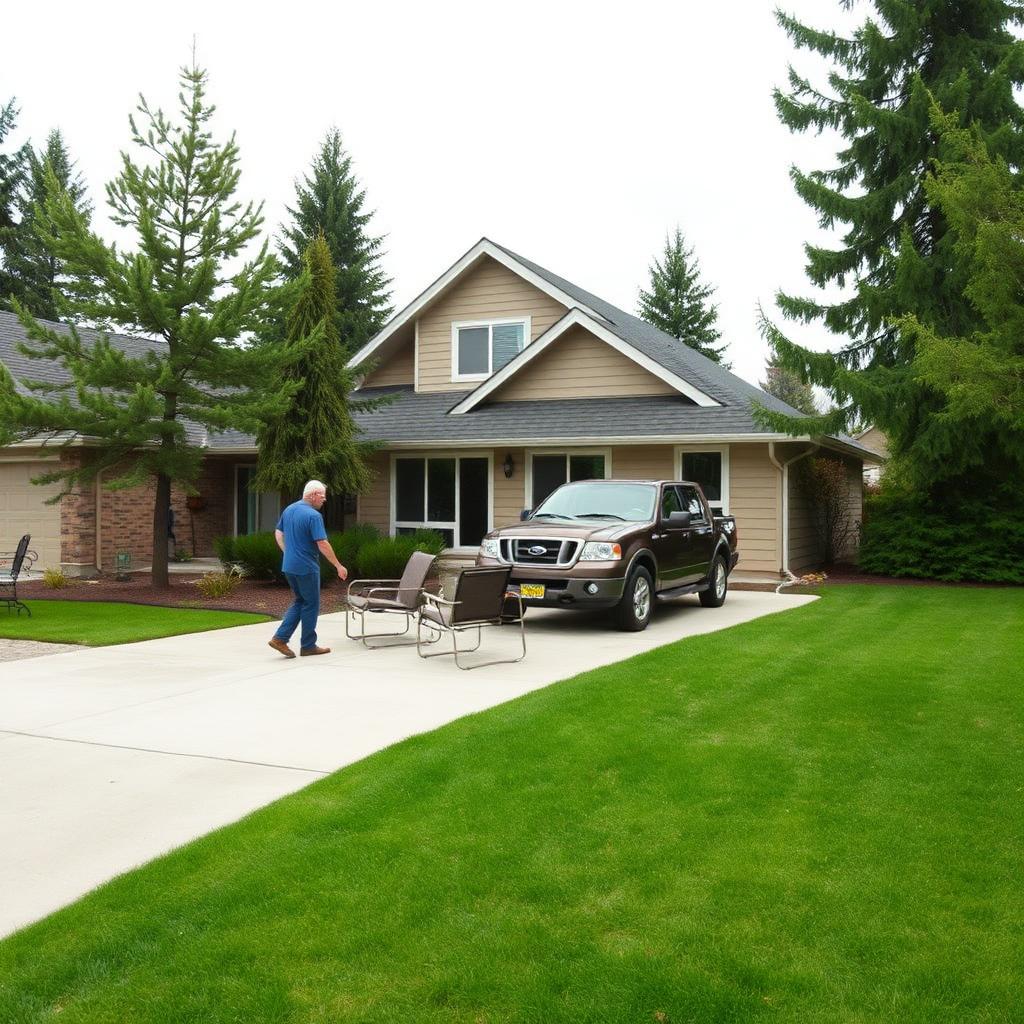
Repeated heavy loads, oversized equipment, or concentrated weight in the same location may place additional stress on concrete over time.
Regular Maintenance
Simple maintenance habits can make a difference.
Consider:
- Cleaning the driveway
- Monitoring cracks
- Watching for standing water
- Inspecting after winter
- Maintaining drainage
- Recording changes with annual photos
Routine inspections often identify small issues before they become larger concerns. Our Spring Concrete Inspection Checklist offers a simple seasonal routine, and 10 Ways Spokane Homeowners Can Help Prevent Concrete Settlement covers additional habits worth adopting.
Warning Signs Your Driveway May Need Attention
Watch for:
- Water pooling
- Uneven slabs
- Widening cracks
- Trip hazards
- Settlement near the garage
- Areas sinking over time
These signs don't automatically mean replacement is necessary, but they do indicate the driveway deserves closer attention. If sections have already settled, learn more about driveway leveling as a preservation option.
Frequently Asked Questions
How long should a residential concrete driveway last?
Every driveway is different. Lifespan depends on installation quality, maintenance, weather, drainage, and soil conditions.
Does Spokane's weather shorten driveway life?
Seasonal freeze-thaw cycles and moisture changes influence concrete over time, making regular inspections worthwhile.
Is standing water normal?
Water that begins collecting where it never did before may indicate changing drainage or settlement.
Can routine maintenance help?
Yes. Monitoring drainage, inspecting after winter, and addressing small changes early are all valuable maintenance habits.
Final Thoughts
A well-maintained concrete driveway can provide many years of service.
Understanding how Spokane's climate, drainage, soil conditions, and seasonal weather influence concrete allows homeowners to better monitor their property and recognize changes before they become more significant.
If you'd like a professional evaluation of your driveway, contact Spokane Concrete Leveling to schedule a free estimate.