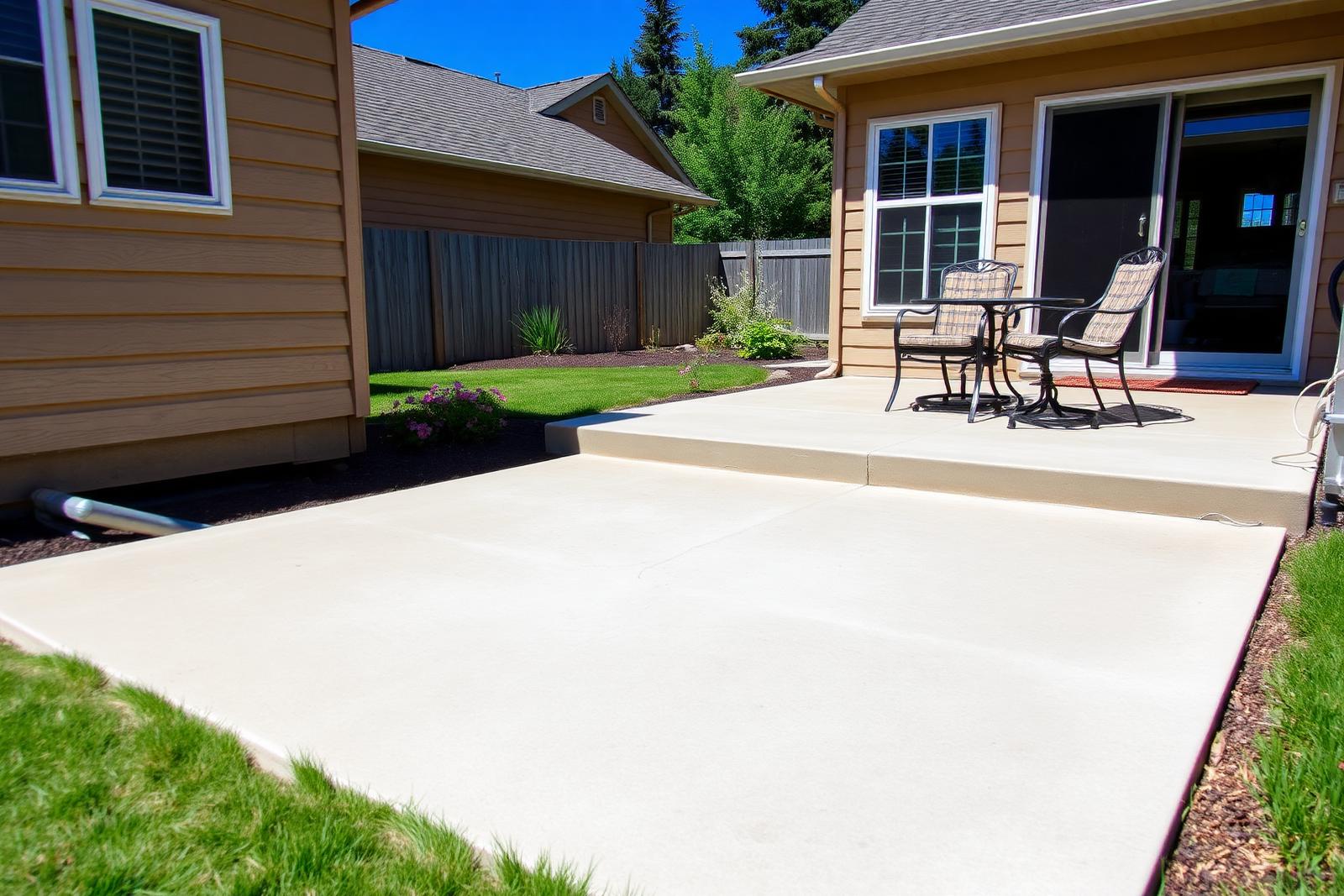
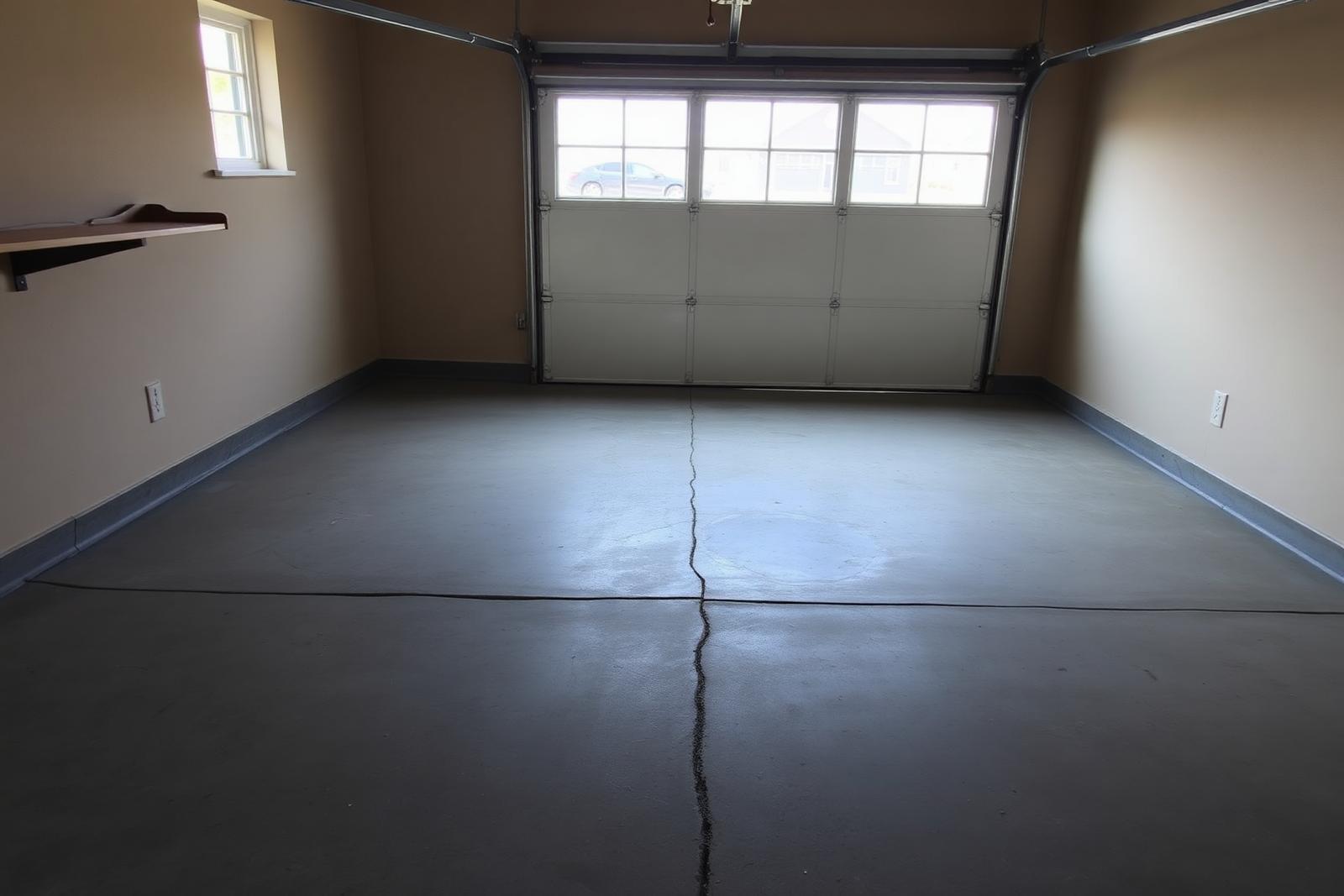
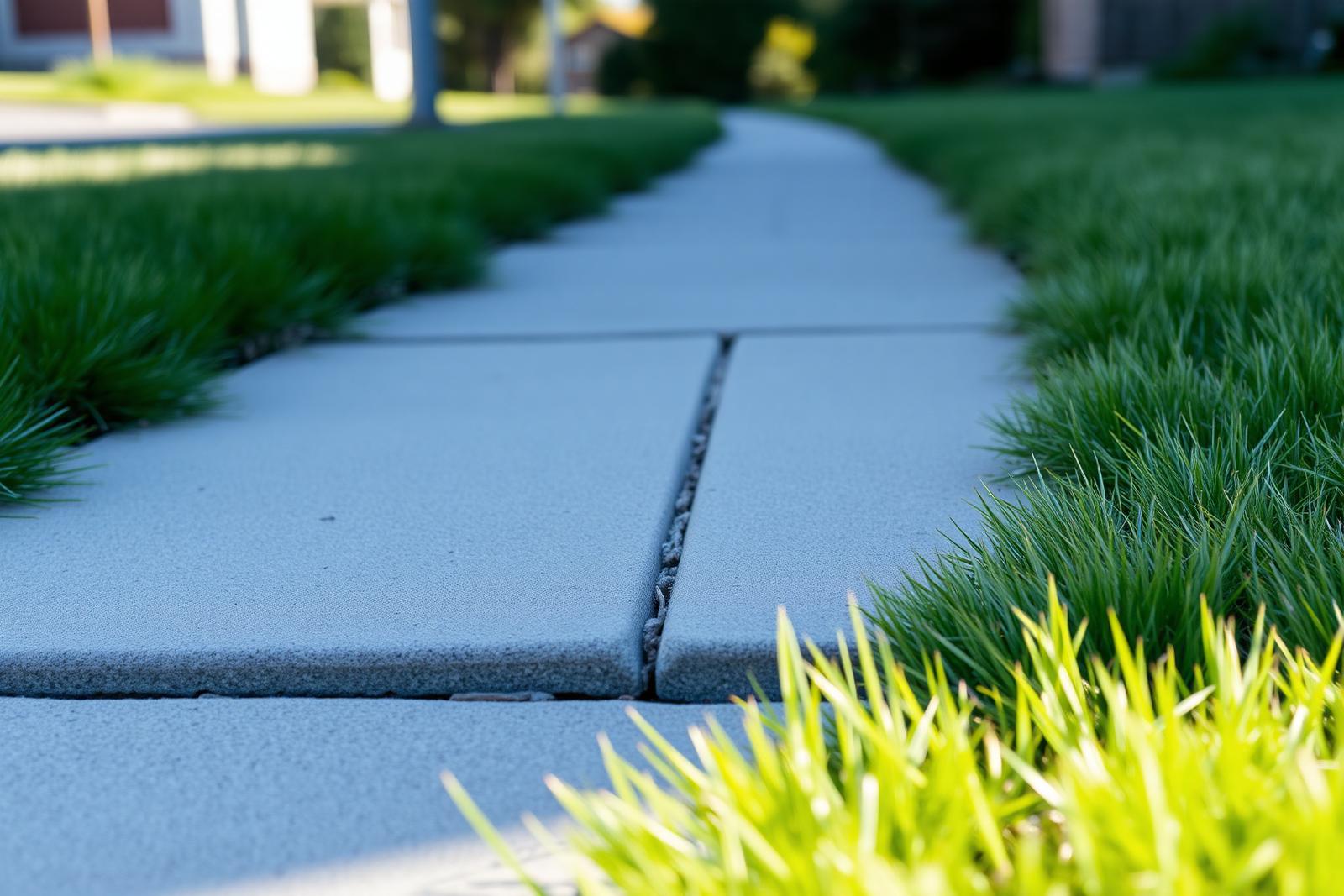
Learn why driveways, sidewalks, patios and garage floors sink in Spokane, WA. Discover the common causes of concrete settlement and how concrete leveling can often restore uneven concrete without replacement.
If you've noticed your driveway sinking, your sidewalk becoming uneven, or your patio creating a trip hazard, you're not alone. Uneven concrete is a common problem for homeowners throughout Spokane and the surrounding communities.
The good news is that sinking concrete doesn't always need to be removed and replaced. In many situations, existing concrete can be lifted and stabilized using modern concrete leveling techniques.
Understanding why concrete settles is the first step toward choosing the right repair solution.
Why Does Concrete Sink?
Concrete is extremely strong.
In most cases, the concrete itself isn't the problem.
The issue is usually the soil beneath the slab.
Over time, the supporting soil can shift, settle, erode, or lose strength. When that happens, portions of the concrete begin to sink because they no longer have uniform support underneath them.
1. Natural Soil Settlement
One of the most common causes is simple soil settlement.
After homes are built, disturbed soil continues to compact over time.
As the soil settles, small voids can develop beneath concrete slabs, allowing sections of the concrete to sink.
2. Water Erosion
Water is another leading cause of uneven concrete.
Poor drainage, leaking downspouts, irrigation problems, or heavy rainfall can gradually wash supporting soil away from beneath a slab.
Without adequate support, concrete begins to settle.
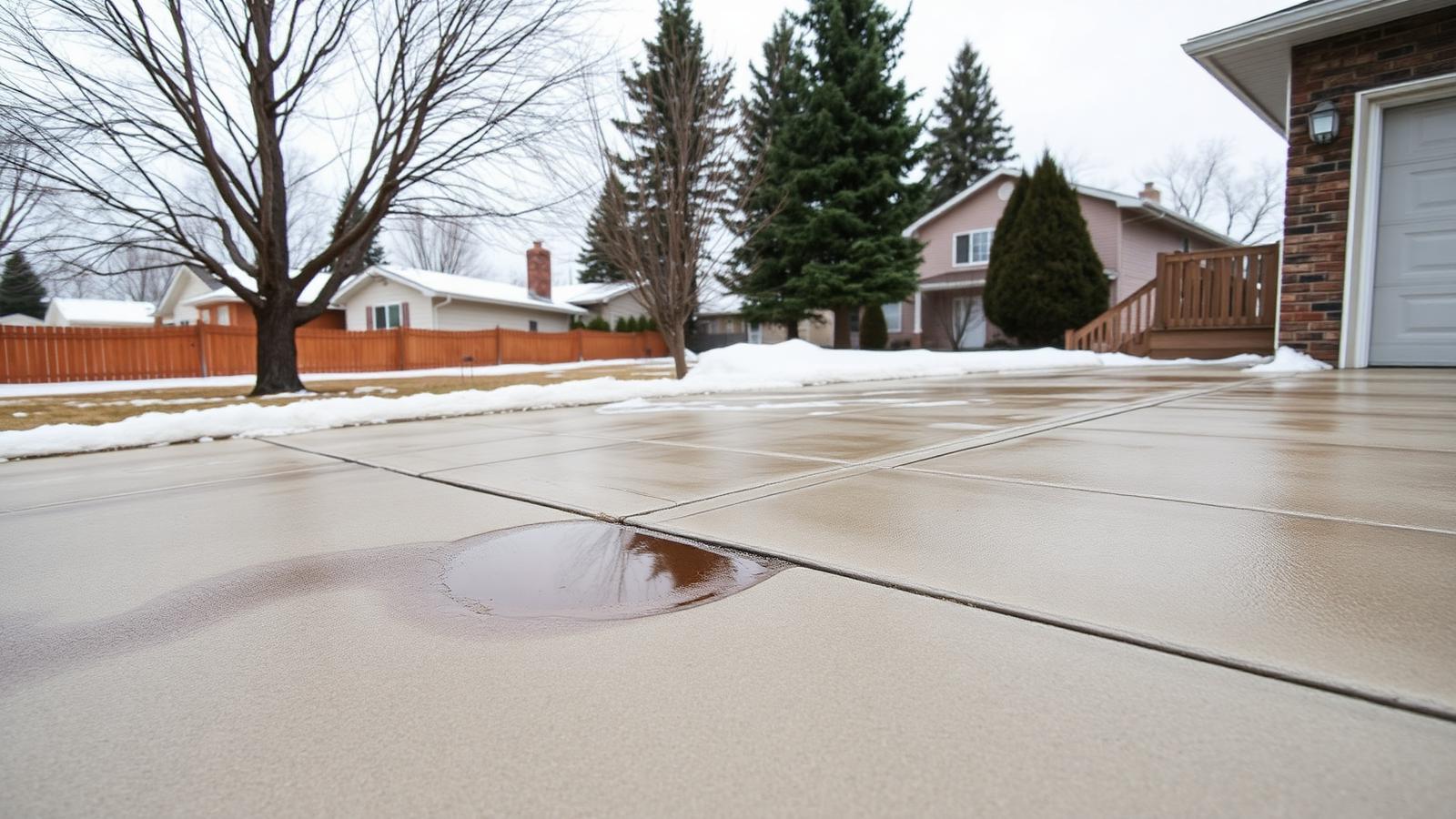
3. Spokane's Freeze-Thaw Cycles
Spokane experiences winter freeze-thaw cycles that can contribute to soil movement beneath concrete.
Moisture expands when frozen and contracts as temperatures rise.
Over many seasons, this natural process can contribute to uneven support beneath driveways, sidewalks and patios.
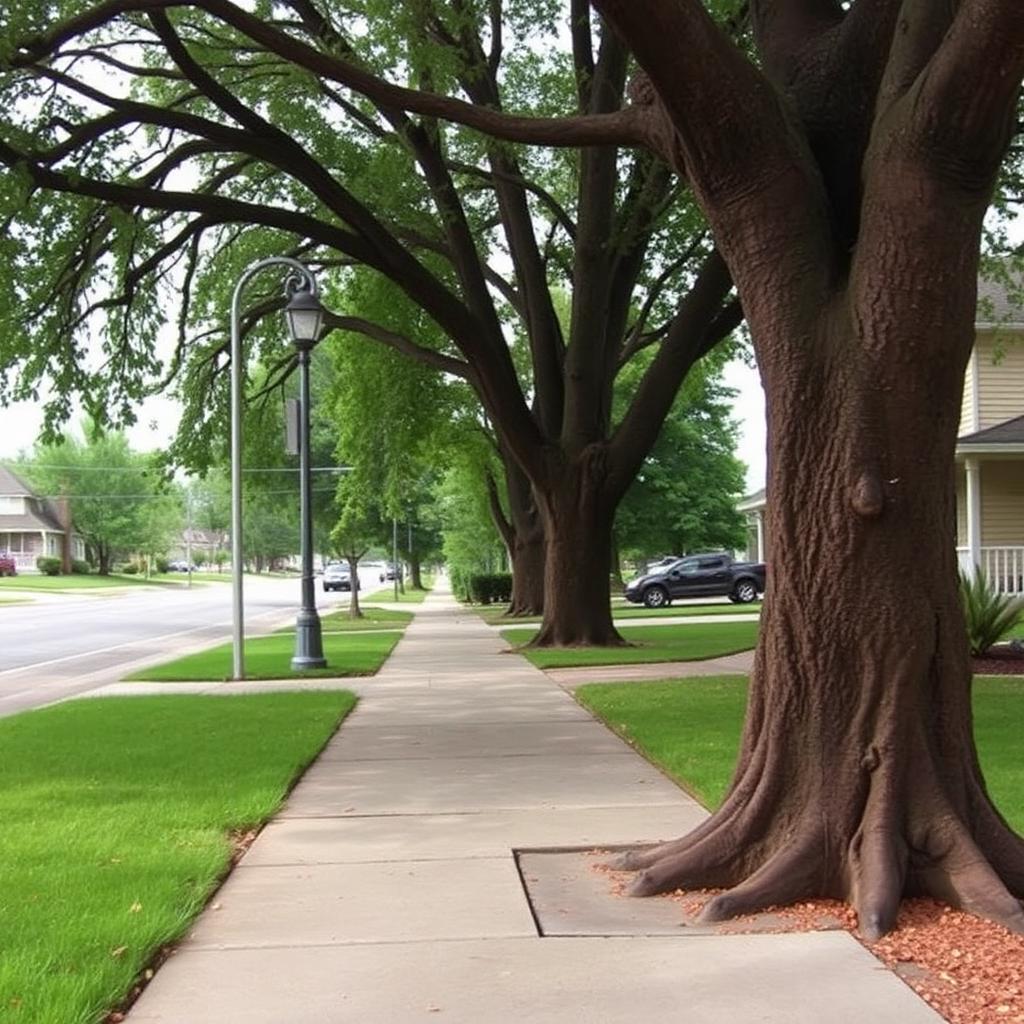
4. Tree Roots
Large trees can also contribute to uneven concrete.
Roots may lift portions of a slab while nearby soil settles, creating uneven walking surfaces and trip hazards.
5. Poor Drainage
Standing water is one of the biggest long-term contributors to concrete settlement.
Proper grading and drainage help reduce soil movement beneath concrete surfaces.
Common Signs Your Concrete May Need Leveling
Watch for these warning signs:
- Uneven sidewalks
- Sinking driveways
- Patio slabs pulling away from the house
- Pooling water after rain
- Garage floor settlement
- Trip hazards
- Concrete cracks caused by settlement
- Uneven steps
Addressing these issues early may help prevent additional movement.
Does Concrete Always Need To Be Replaced?
Not necessarily.
If the concrete is still structurally sound, leveling may be an option.
Concrete replacement often involves demolition, hauling away old concrete, preparing a new base, pouring new concrete, and waiting for it to cure.
Concrete leveling instead raises the existing slab by stabilizing the support beneath it.
The appropriate repair depends on the condition of the concrete and the cause of the settlement.
Modern Polyurethane Concrete Leveling
Many contractors today use polyurethane foam injection to lift settled concrete.
Small holes are drilled through the slab.
Expanding polyurethane foam is injected beneath the concrete where it fills voids and gradually raises the slab toward its original position.
Potential advantages include:
- Minimal disruption
- Small drill holes
- Faster return to service for many projects
- Less excavation than replacement
- Preserves existing concrete when appropriate
When Replacement May Be the Better Option
Concrete replacement may still be recommended when:
- The slab is severely broken.
- Concrete has significantly deteriorated.
- Structural damage extends beyond simple settlement.
A professional inspection can determine which repair method is most appropriate.
Why Many Spokane Homeowners Consider Concrete Leveling
Concrete leveling is often chosen because it can:
- Improve safety by reducing trip hazards
- Restore curb appeal
- Preserve existing concrete
- Reduce disruption compared to replacement
- Extend the useful life of concrete surfaces
Every property is different, and the best solution depends on the specific conditions. Commercial concrete leveling is also available for businesses and property managers.
Schedule Your Free Estimate
If your driveway, sidewalk, patio, or garage floor has settled, it's worth having the concrete evaluated before deciding on replacement.
Spokane Concrete Leveling proudly serves homeowners throughout Spokane and surrounding communities.
Call 509-355-6406 or request a free estimate online to learn more about your repair options.