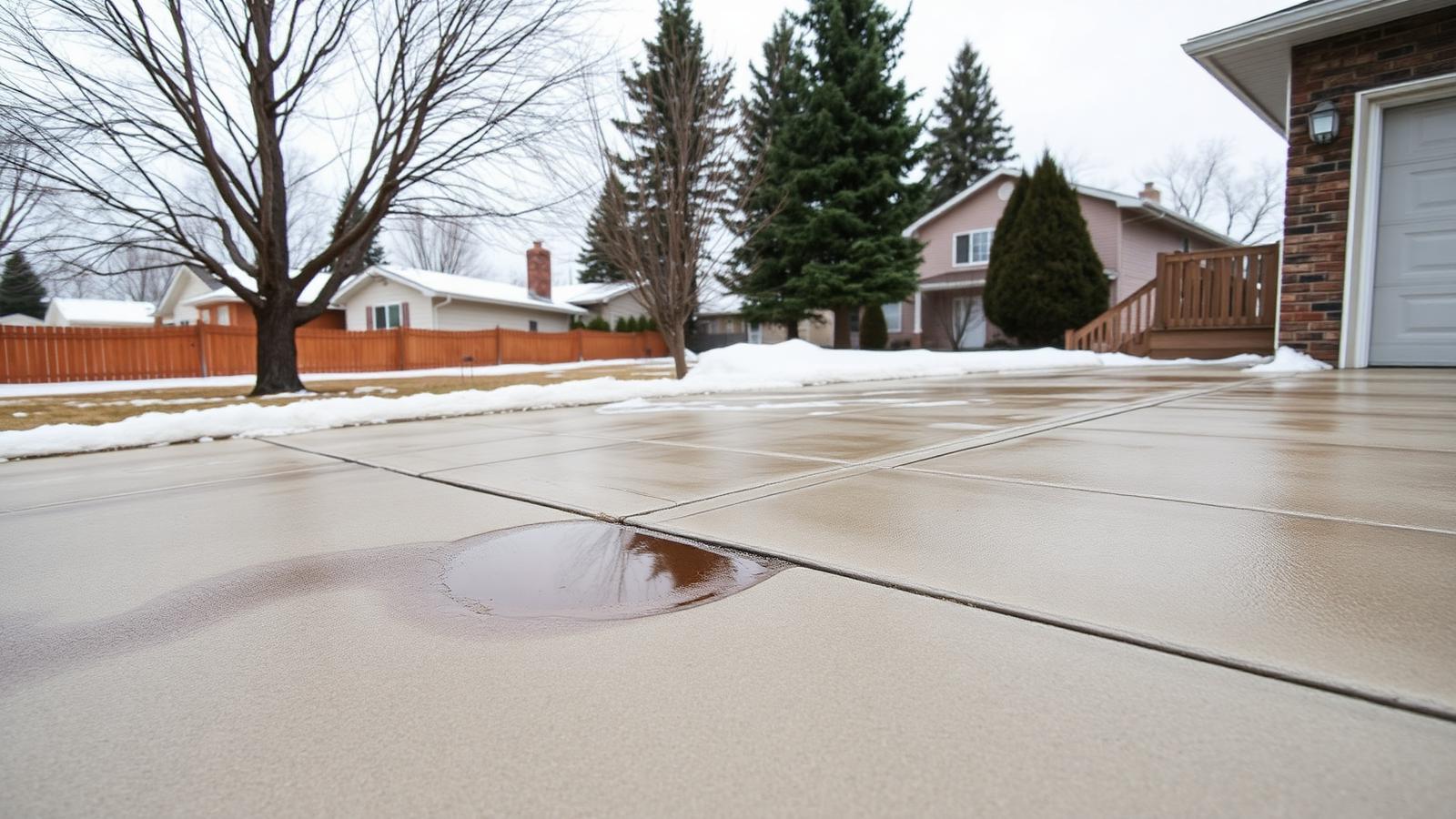
Spokane sits at roughly 1,900 feet with dry summers, freeze-thaw winters, and heavy snowmelt. Here's how the local elevation and Inland Northwest climate quietly affect residential concrete over time.
Spokane sits at roughly 1,900 feet in the Inland Northwest. That's not extreme by mountain standards, but combined with dry summers, cold winters, and a heavy freeze-thaw cycle, our local climate has a real effect on how outdoor concrete ages.
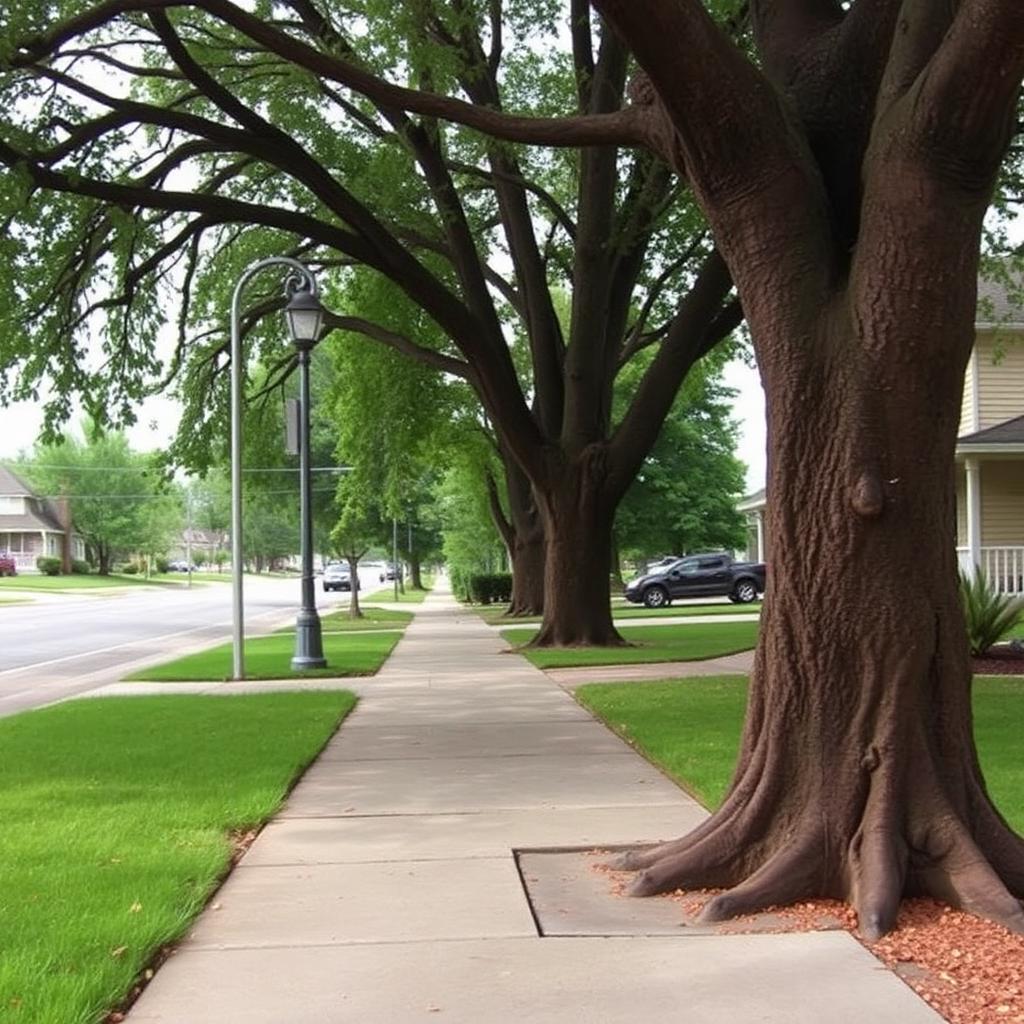
Most homeowners don't notice the impact until a slab starts to sink, crack, or pull water toward the foundation. Understanding the underlying causes makes it easier to spot early warning signs — and to choose the right repair when the time comes.
1. Freeze-Thaw Cycles
Spokane winters bring dozens of freeze-thaw events each year. Water that seeps into hairline cracks or the soil beneath a slab expands as it freezes, then contracts as it thaws. Repeated over many winters, this stresses the concrete and reshapes the sub-base underneath — a common trigger for the settlement patterns discussed in why concrete sinks in Spokane.
2. Dry Summers and Shrinking Soils
Inland Northwest summers are dry. Native soils lose moisture, shrink, and pull away from slab edges. When rain and irrigation return in the fall, soils re-expand — but rarely to their original volume. The net result over many years is a gradually loosening sub-base.
3. Heavy Snowmelt and Concentrated Runoff
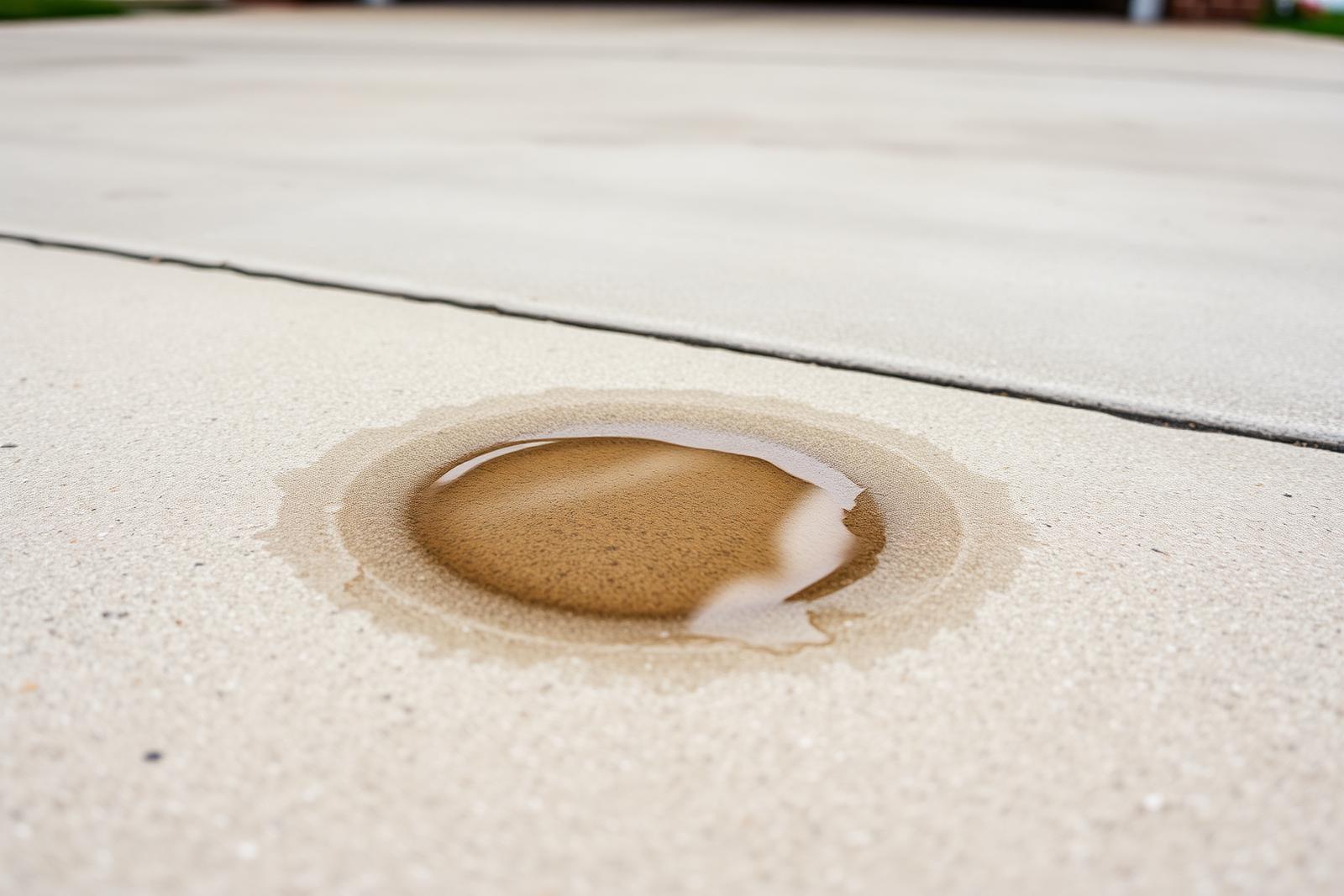
Snowmelt is where Spokane's climate shows up most on concrete. Meltwater running off roofs and driveways concentrates at downspouts and slab edges — the single biggest cause of residential settlement, covered in detail in downspouts and slab settlement.
4. Elevation Isn't the Main Driver — Water Is
Elevation itself doesn't make concrete fail. What makes Spokane concrete fail is water, moving through freeze-thaw cycles in soils that weren't compacted well at construction. Fix the water path and most residential slabs stay stable for decades.
What Homeowners Can Do
- Extend downspouts at least four to six feet from the foundation
- Grade soil to fall away from slabs, not toward them
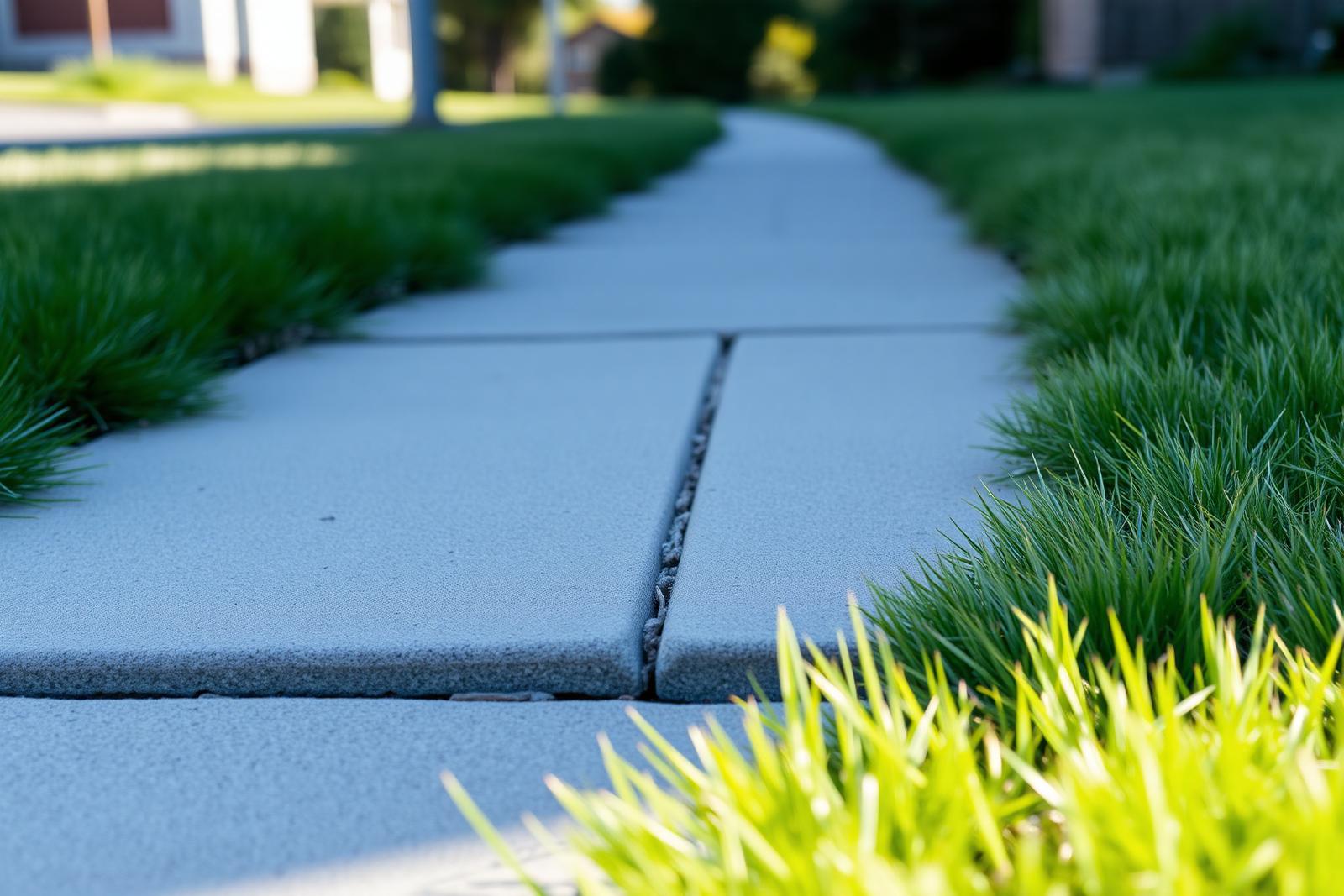
- Reseal control joints every few years to keep water out of the sub-base
- Inspect after every hard freeze-thaw cycle and after spring melt
If a driveway, sidewalk, or patio has already started to settle, a professional evaluation determines whether the slab is a candidate for concrete leveling or whether replacement is more appropriate. Request a free on-site estimate any time.