The Palouse-region silt and loess soils common around Spokane behave very differently from clay or gravel. Here's how our local soils affect driveways, foundations, drainage, and landscaping.
Much of Spokane and the surrounding Palouse region sits on silty loess — wind-deposited silt that behaves very differently from the expansive clays found in other parts of the country. This soil is one of the most important reasons Spokane concrete settles the way it does.
What Is Loess Soil?
Loess is fine, light-colored silt that was deposited by wind after the last ice age. It's productive for agriculture — the Palouse's rolling wheat fields grow on it — but it's also fine-grained, moderately porous, and structurally weaker when saturated than sand or gravel.
How Loess Behaves Under Concrete
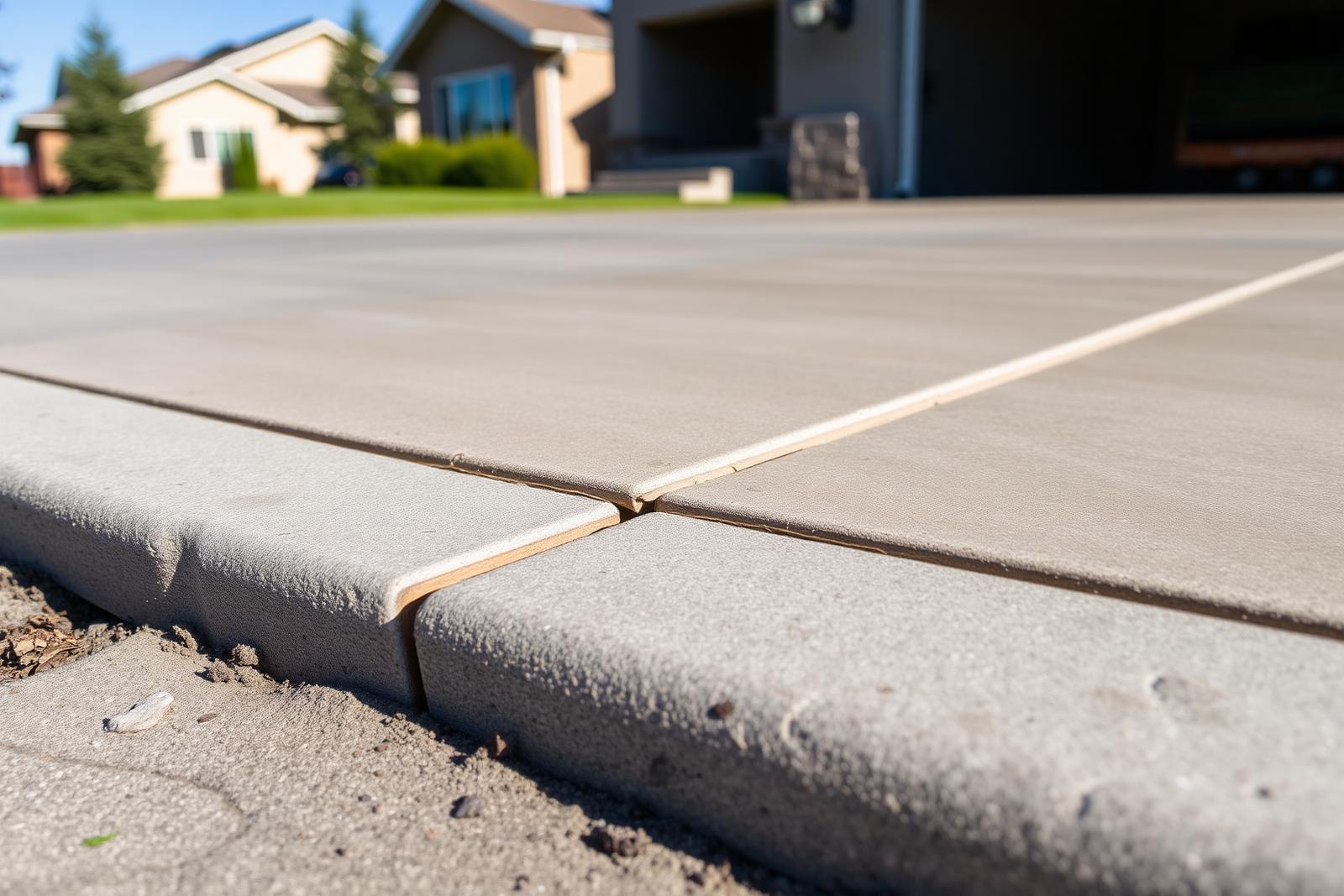
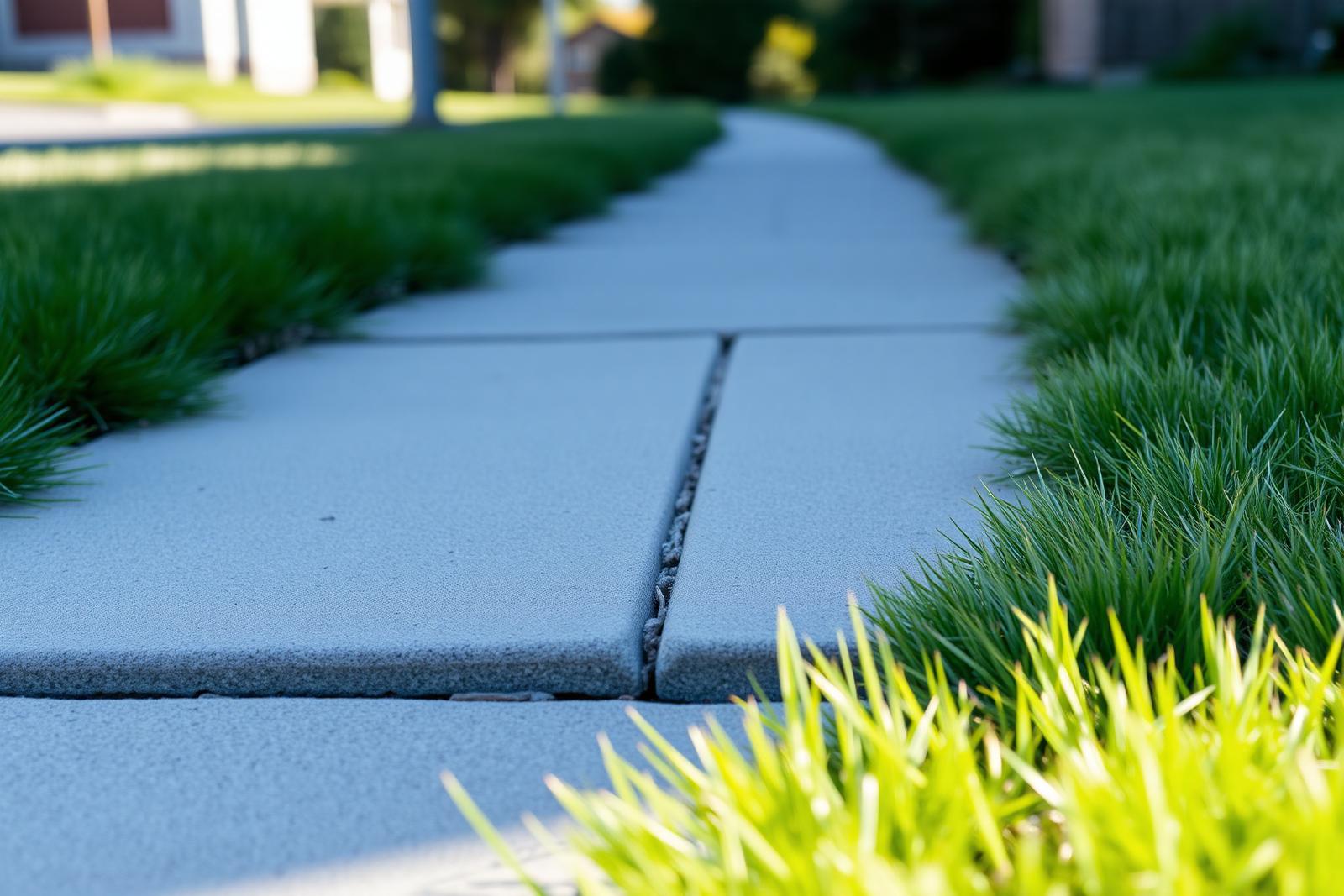
- Compacts unevenly under load, especially near slab edges
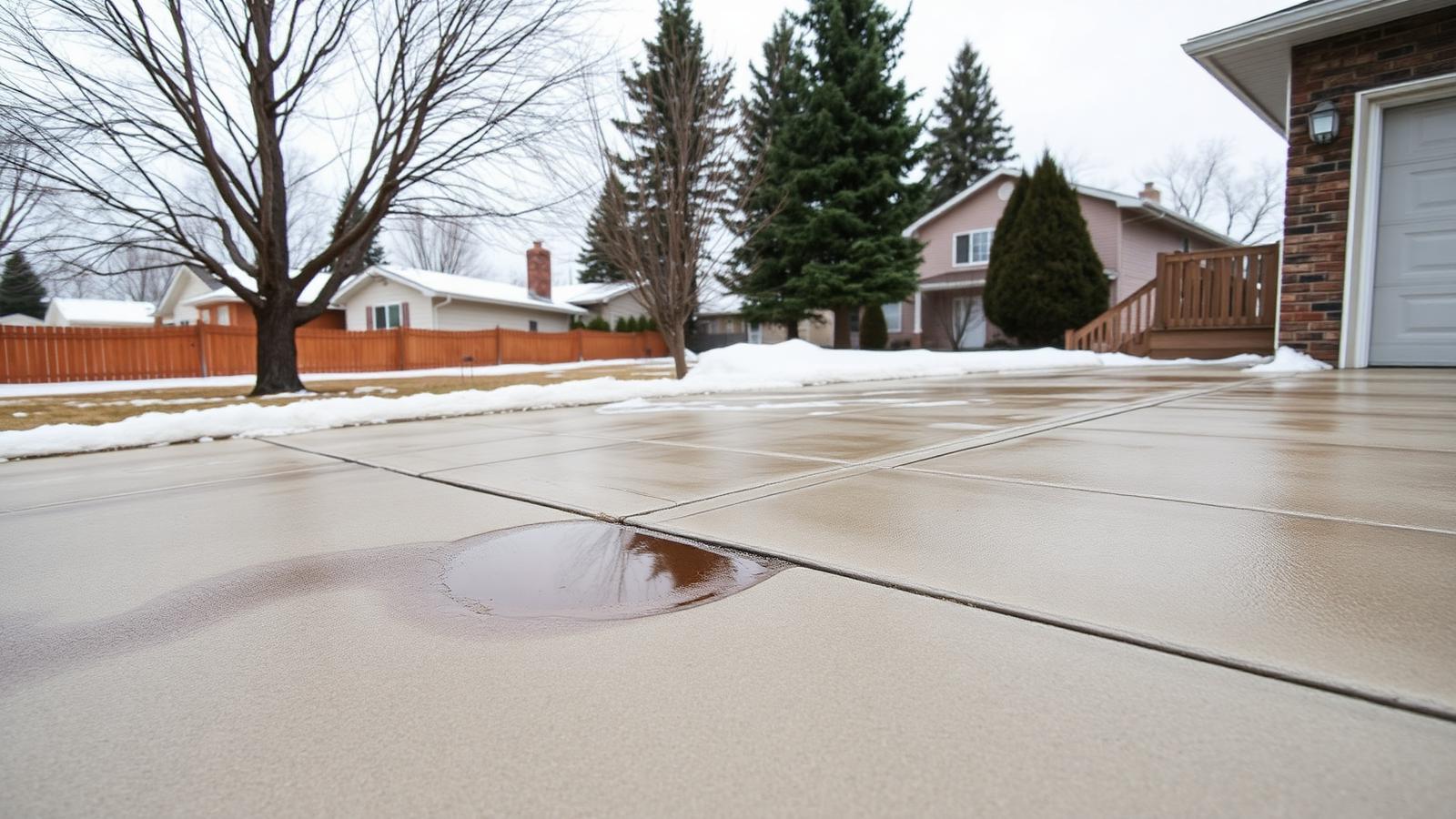
- Loses strength dramatically when saturated
- Erodes readily when water is channeled across it
- Settles over years even without a specific trigger
That combination is why so many Spokane driveways and patios develop the settlement patterns covered in why concrete sinks in Spokane.
Where the Soil Shows Up Beyond Concrete
Foundations
Loess soils can consolidate under sustained load. Well-built Spokane foundations account for this, but poor drainage around a house can accelerate soil movement — see is it foundation settlement or just uneven concrete? for how to tell the difference.
Drainage and Grading
Loess erodes quickly when water is concentrated. Downspouts that discharge onto bare soil can carve small channels in a single season.
Landscaping
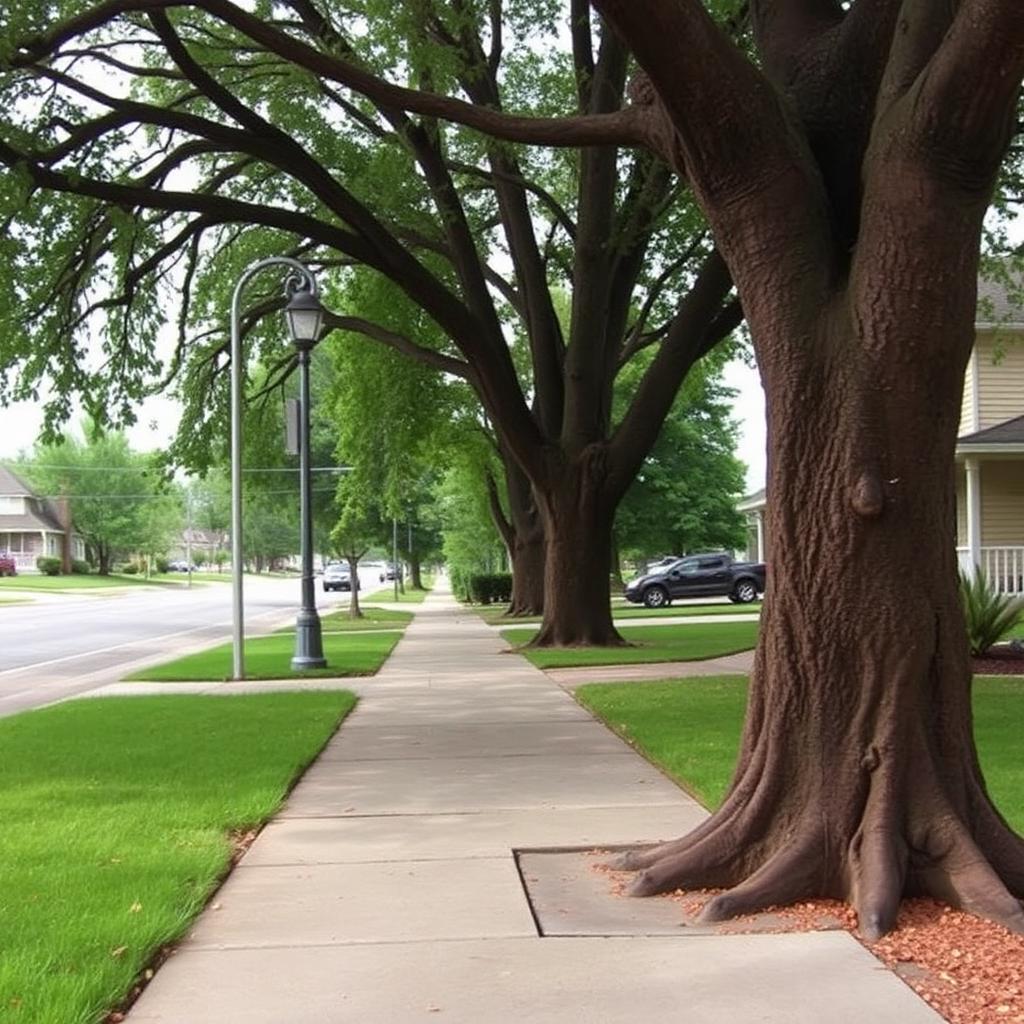
Irrigation over-watering saturates loess and can undermine adjacent slabs. Trees planted too close to a driveway can also draw moisture unevenly from the soil column.
How This Changes Repair Decisions
Because loess is fine and compressible, polyurethane foam tends to work well as a repair material — it's much lighter than a cement slurry and doesn't add significant new load to already-tired soil. That's a meaningful difference vs. older approaches, covered in polyurethane foam vs. mudjacking.
For homeowners planning a project, request a free on-site evaluation — the right fix depends on how the soil is behaving in your specific yard.