5 min read
Do Concrete Sealers Actually Help in Spokane?
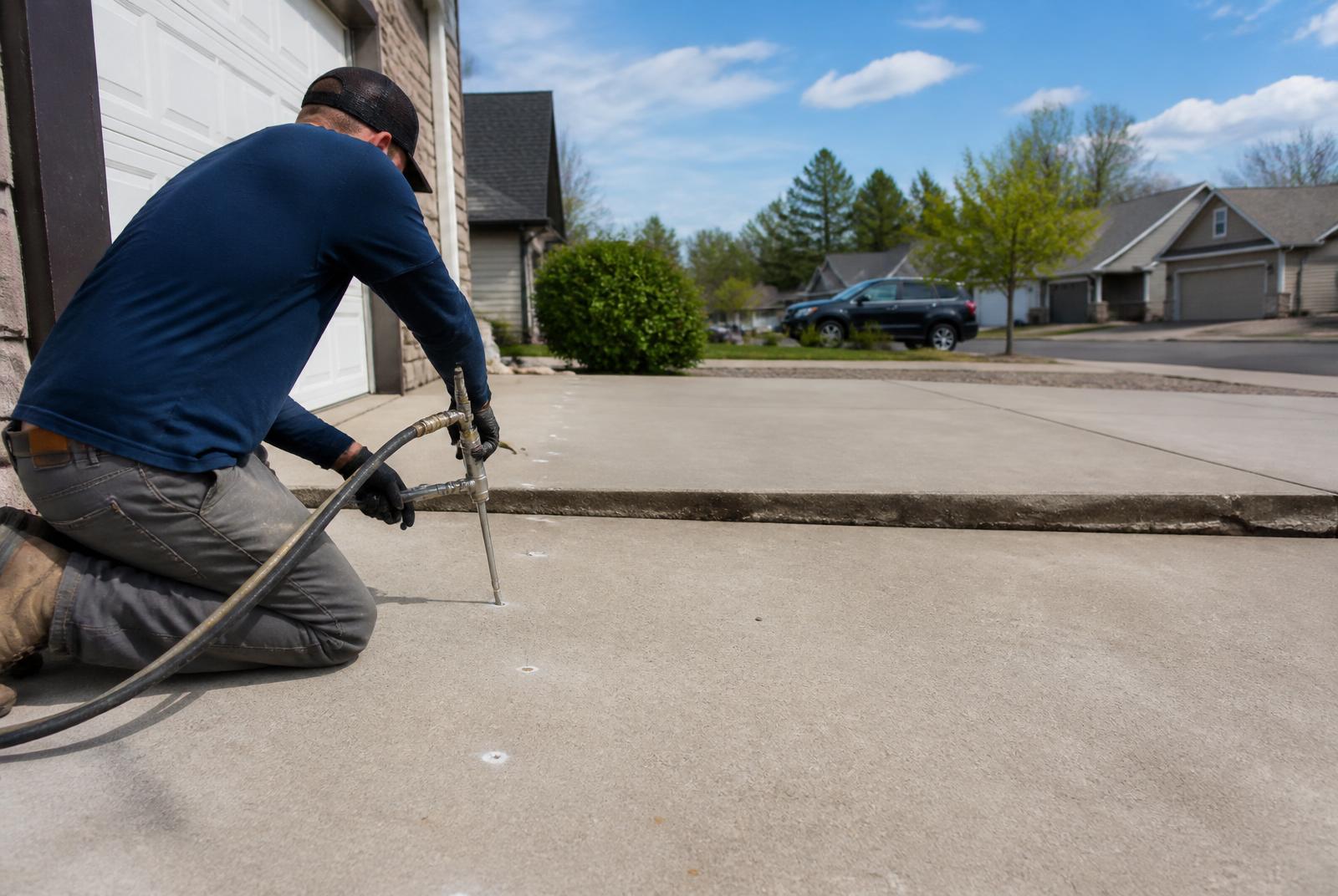
Sealers protect the surface, but they don't solve settlement. Here's what sealers actually do — and don't do — for Spokane driveways, sidewalks, and patios.
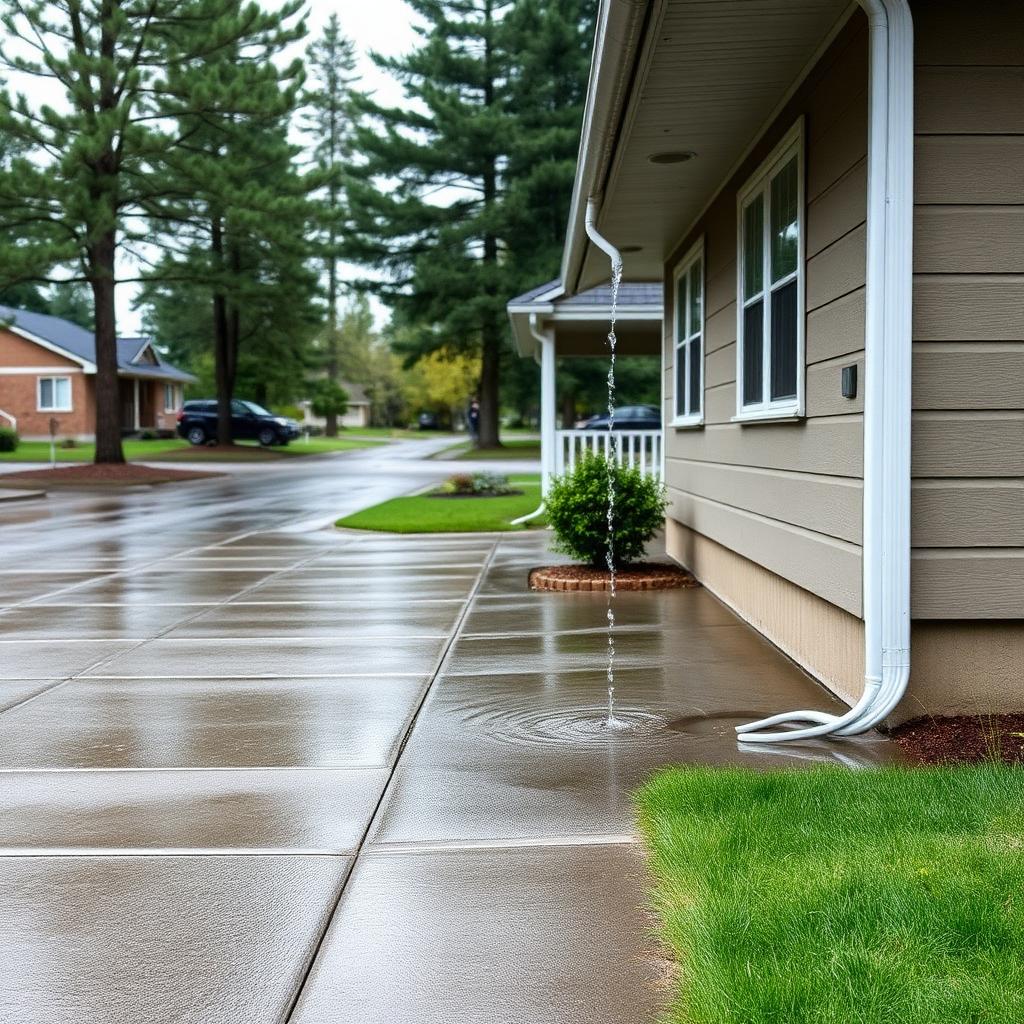
Drainage is the single biggest driver of concrete settlement on Spokane properties. Here's exactly how water undermines slabs — and the drainage fixes that protect them.
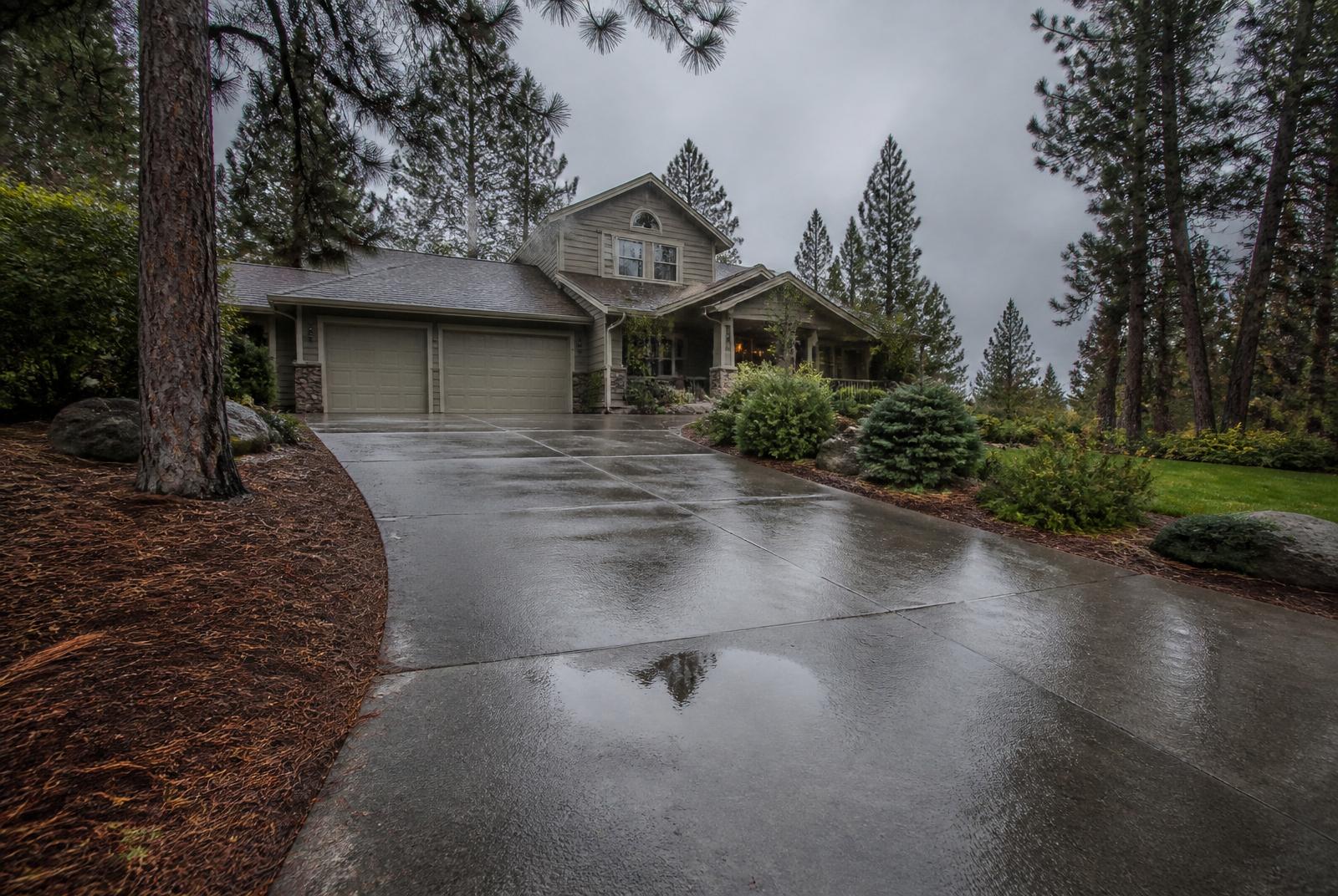
In Spokane, drainage is the single biggest reason residential concrete settles. Water is patient — it works on the same slab edge for years, and eventually the soil beneath the concrete gives up.
Concrete is strong enough for anything a homeowner asks of it. What fails is what's underneath. When water is concentrated at a slab edge — from a downspout, a bad slope, or an over-watered garden bed — soil erodes and consolidates, leaving a void.
Once a void exists, the slab has nothing to bear against. In Spokane's freeze-thaw climate, the void grows every winter as water freezes and expands, then contracts on thaw. Eventually the concrete settles into the void.
Detail on each is covered in 7 common drainage mistakes that can lead to concrete settlement.
The single biggest single fix — extending downspouts — is covered in downspouts and slab settlement.
If your slab is already settled, concrete leveling can restore grade — but the lift only lasts if the drainage cause is corrected too. Request a free on-site inspection and the technician can identify both.
Think Your Concrete May Qualify for Lifting?
Free on-site inspection · Fixed written quote · No obligation
Related services
Get a local estimate
Keep reading
Sealers protect the surface, but they don't solve settlement. Here's what sealers actually do — and don't do — for Spokane driveways, sidewalks, and patios.
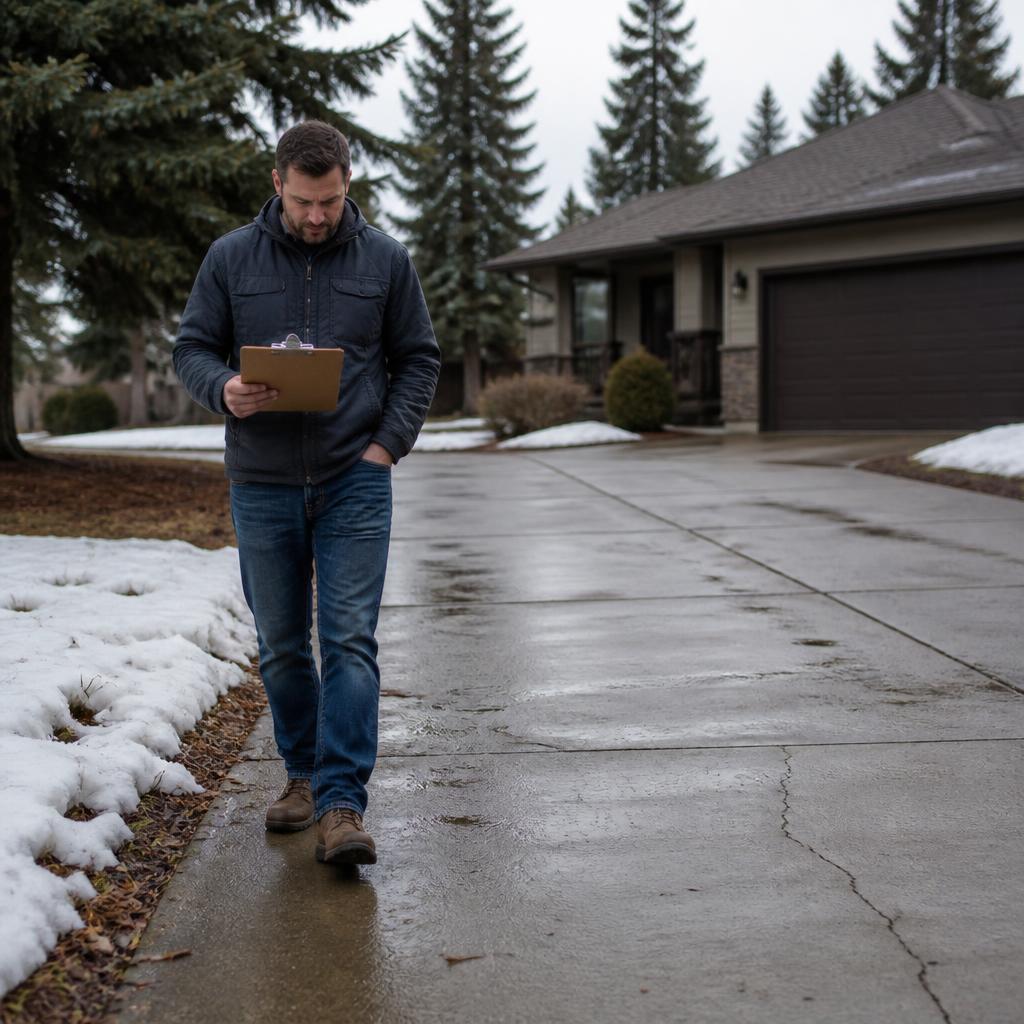
A ten-minute walk around your Spokane home twice a year can catch settlement issues before they become expensive. Here's exactly what to look at — and what to write down.
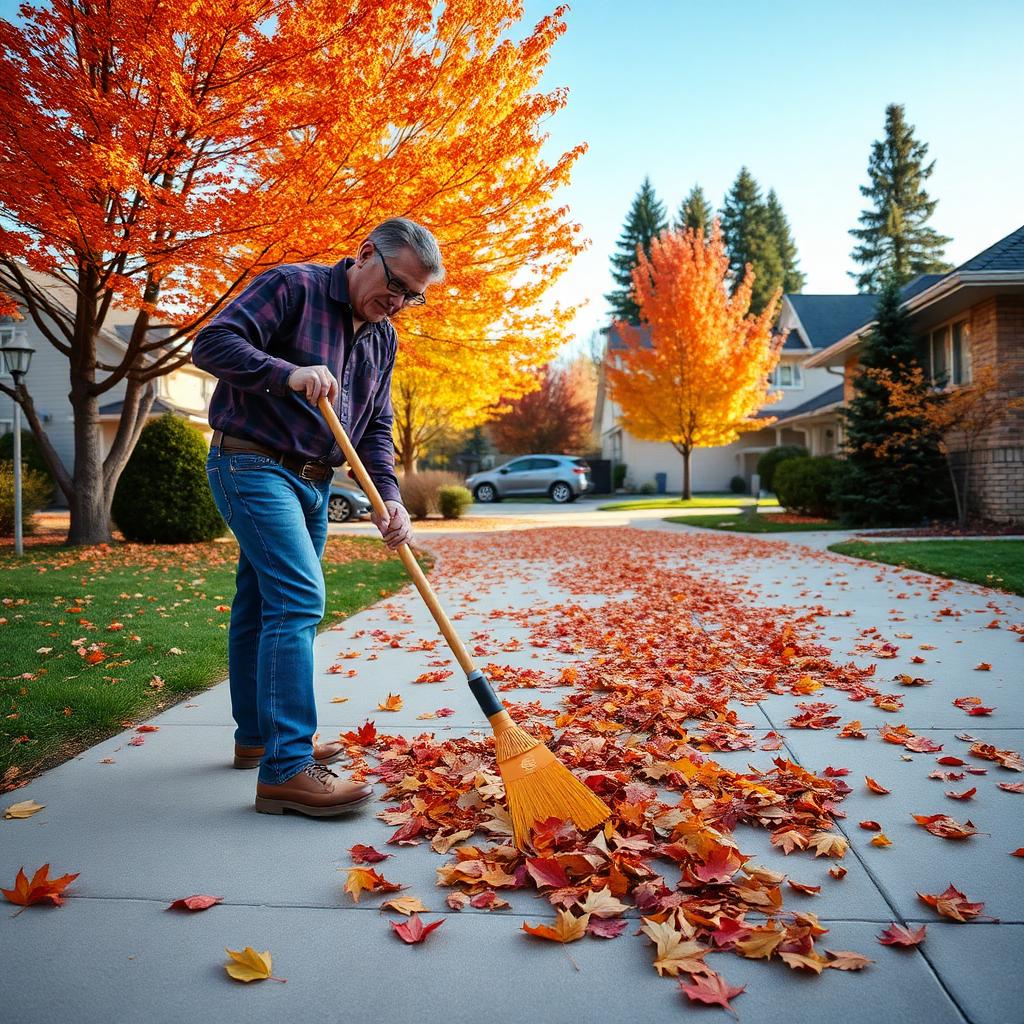
Prepare your Spokane driveway, sidewalks, patio, and other concrete surfaces for winter with this practical fall maintenance checklist.
Have questions about your concrete? Need advice? Want a free estimate? We're here to help. Concrete leveling saves the slab you already have, at a fraction of the cost of replacement.
Free Estimates · Spokane-Focused Service · Clear Recommendations