6 min read
7 Common Drainage Mistakes That Can Lead to Concrete Settlement
Learn seven common drainage mistakes Spokane homeowners make and how proper water management can help protect driveways, sidewalks, patios, and other concrete surfaces.
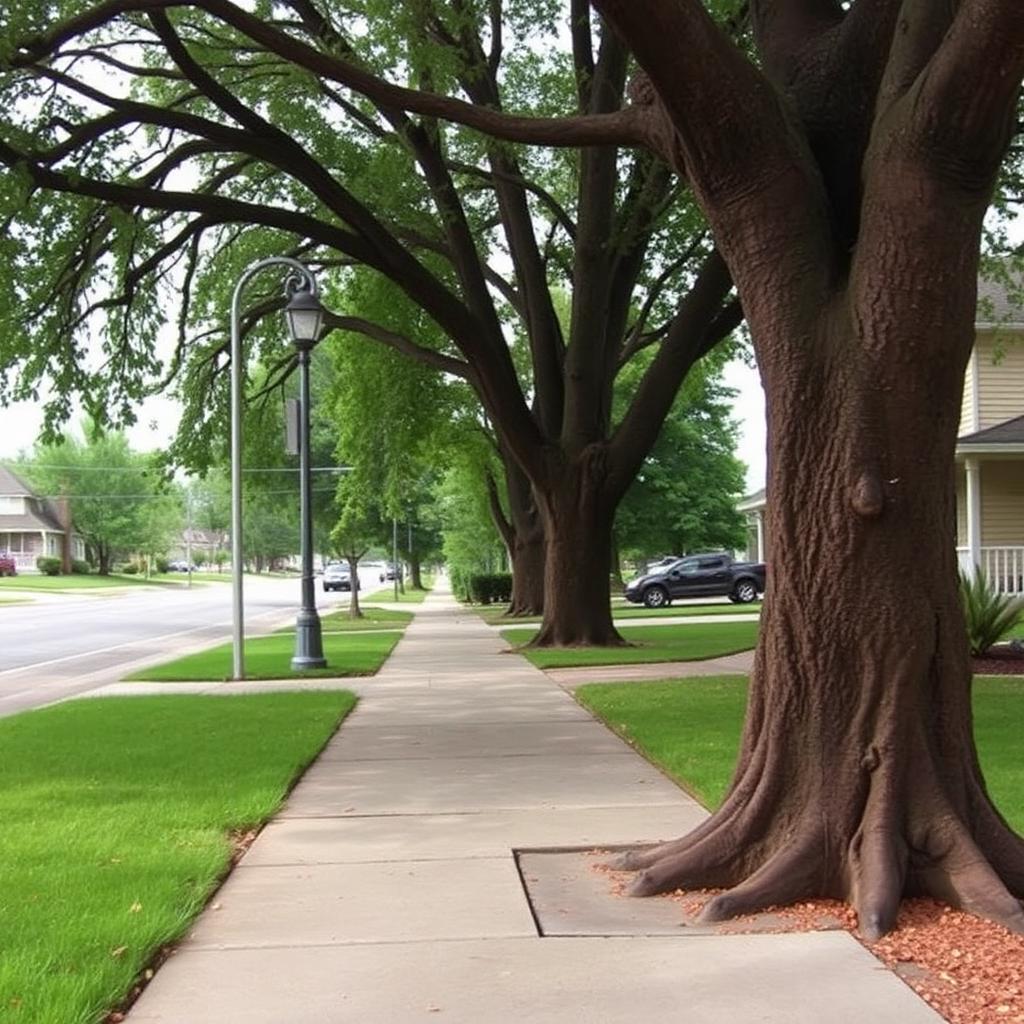
Trees, irrigation, mulch beds, and grading all interact with your concrete. Here's how Spokane landscaping decisions quietly protect — or slowly damage — driveways and patios.
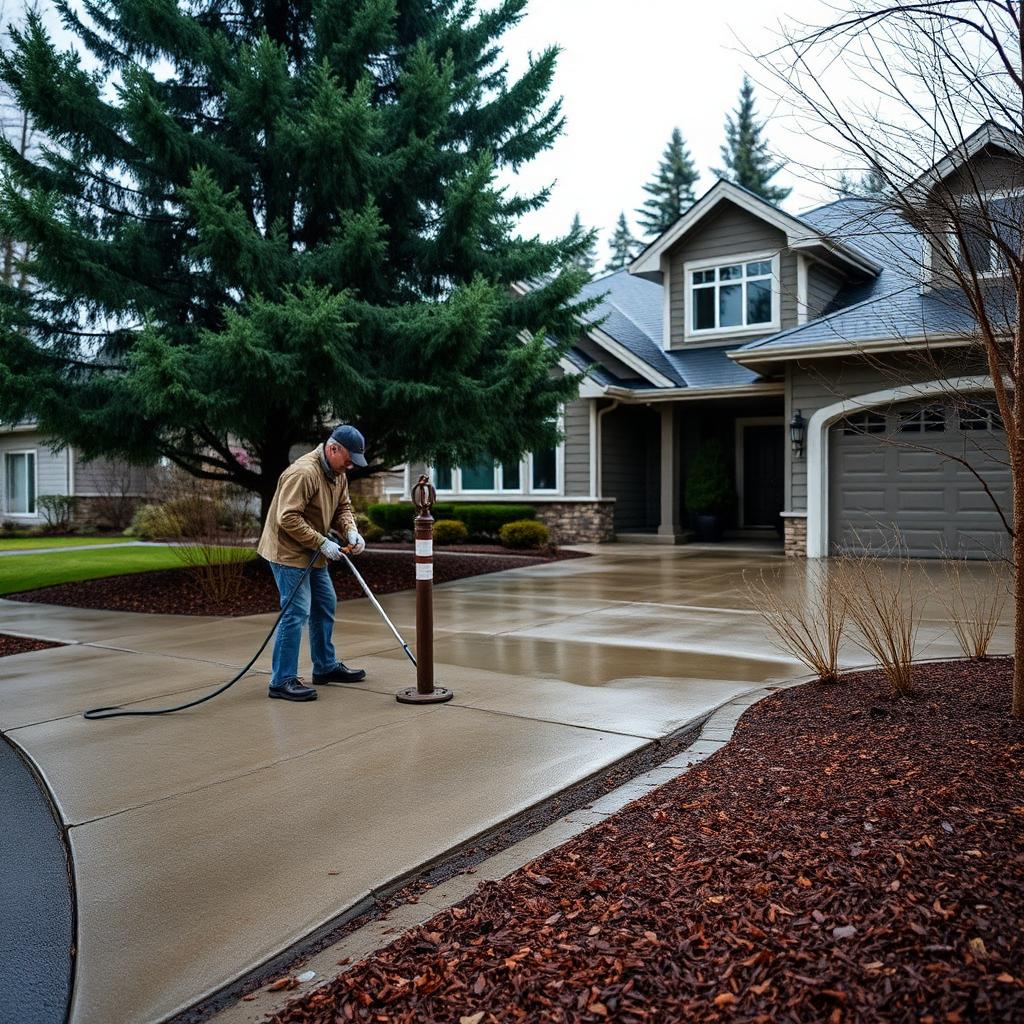
Landscaping and concrete are neighbors. What you plant and how you water it has a real effect — good or bad — on driveways, patios, and walkways over the long run.
Mature trees planted near slabs draw moisture unevenly from the soil column, and their roots can grow beneath or beside concrete — see can tree roots cause concrete to settle or crack?.
Over-watering is the landscaping habit that damages the most concrete in Spokane. Saturated soil loses strength — the mechanism covered in how Spokane's silty loess soil affects more than just concrete.
Mulch traps moisture. When a mulch bed abuts a slab, water sits against the concrete edge — accelerating joint deterioration and sub-base saturation.
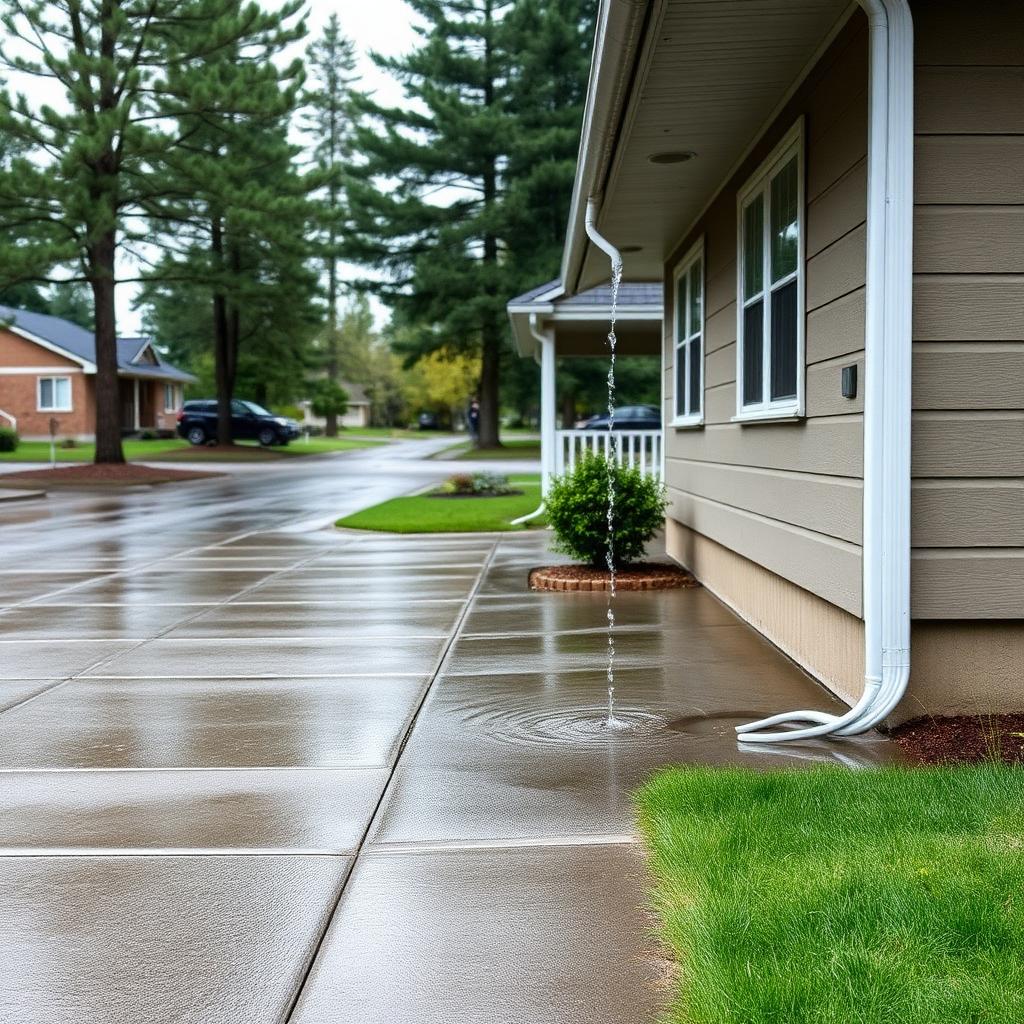
Landscape grading directly controls where water goes. Grade should fall at least 6 inches over the first 10 feet away from any slab or foundation — a fix covered in 7 common drainage mistakes.
Bermed or crowned lawns that direct water toward slabs are a common issue in Spokane retrofits. A modest regrade often solves years of pooling.
If a slab has already settled, concrete leveling can restore grade — but the durability of the lift depends on getting the surrounding landscape working with the concrete, not against it. Request a free on-site inspection and the technician can flag both slab and landscape issues in one visit.
Think Your Concrete May Qualify for Lifting?
Free on-site inspection · Fixed written quote · No obligation
Related services
Get a local estimate
Keep reading
Learn seven common drainage mistakes Spokane homeowners make and how proper water management can help protect driveways, sidewalks, patios, and other concrete surfaces.
Learn how tree roots can affect sidewalks, driveways, patios, and concrete surfaces around Spokane homes, and what homeowners should watch for.
Have questions about your concrete? Need advice? Want a free estimate? We're here to help. Concrete leveling saves the slab you already have, at a fraction of the cost of replacement.
Free Estimates · Spokane-Focused Service · Clear Recommendations