Wondering if your concrete needs leveling? Learn the seven most common warning signs Spokane homeowners should watch for before uneven concrete becomes a larger problem.
Concrete settlement rarely happens overnight.
Most homeowners notice small warning signs months—or even years—before the problem becomes serious.
Recognizing those signs early can help you understand what may be happening beneath your concrete and whether it's time to have it professionally evaluated.
Here are seven of the most common indicators.
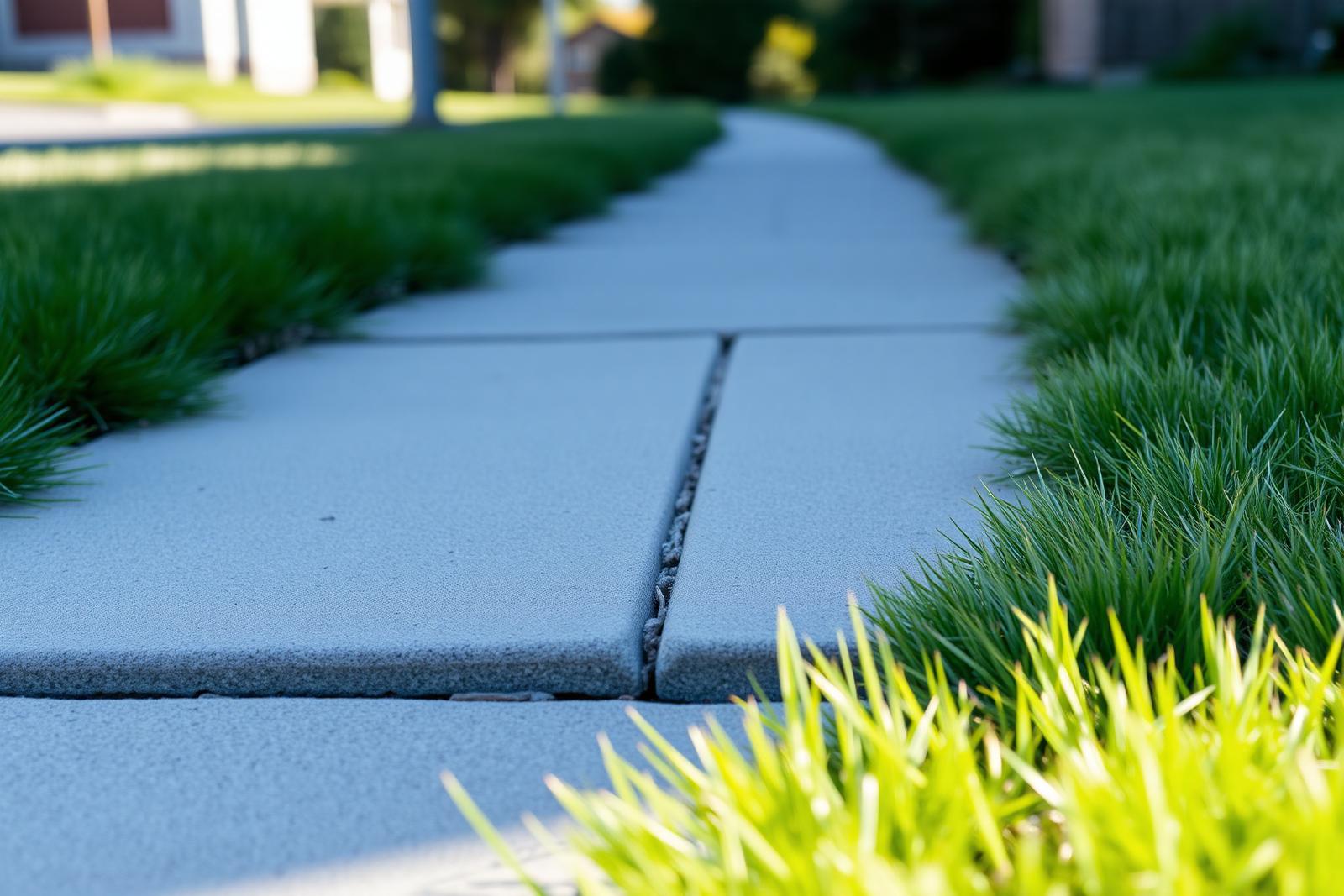
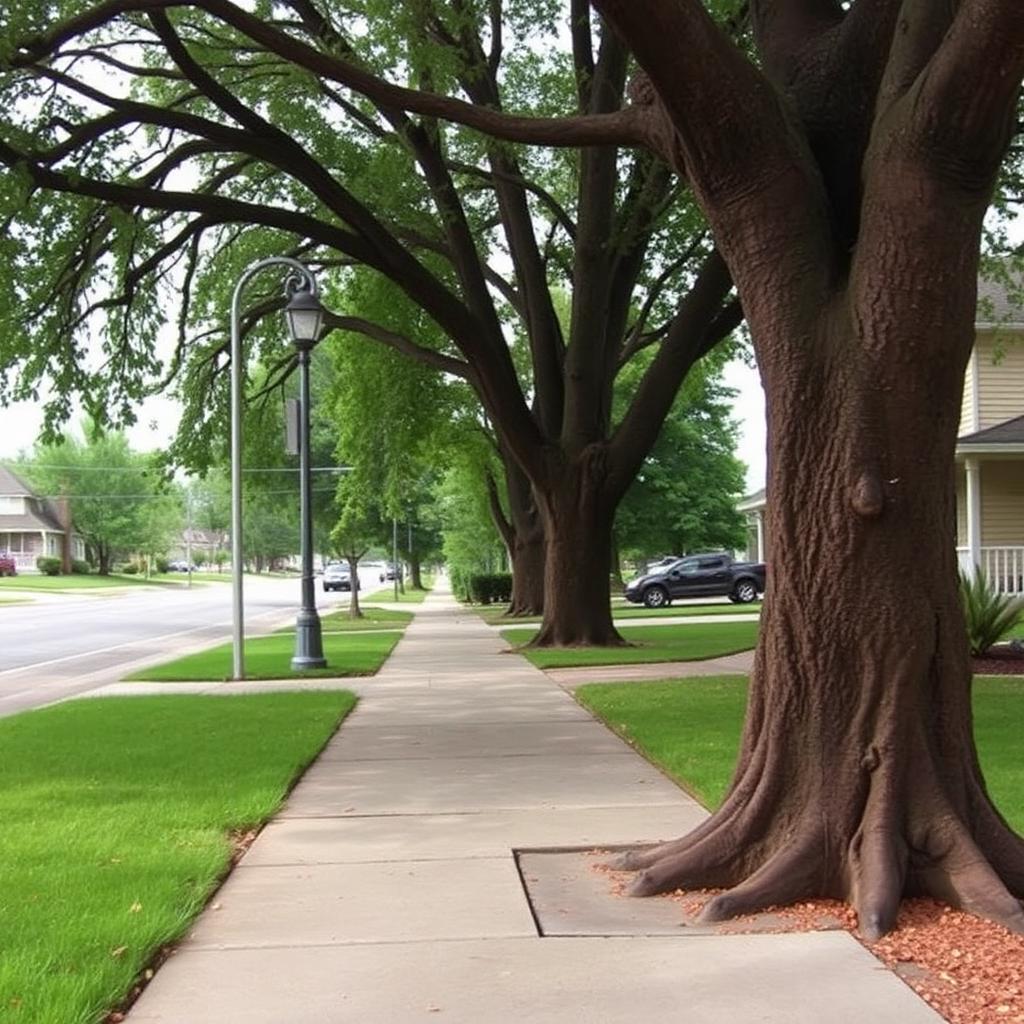
1. Uneven Sidewalk Panels
One sidewalk panel sitting higher or lower than the next is one of the most common signs of settlement.
Besides affecting appearance, uneven sidewalks can become trip hazards for family members, guests, and visitors.
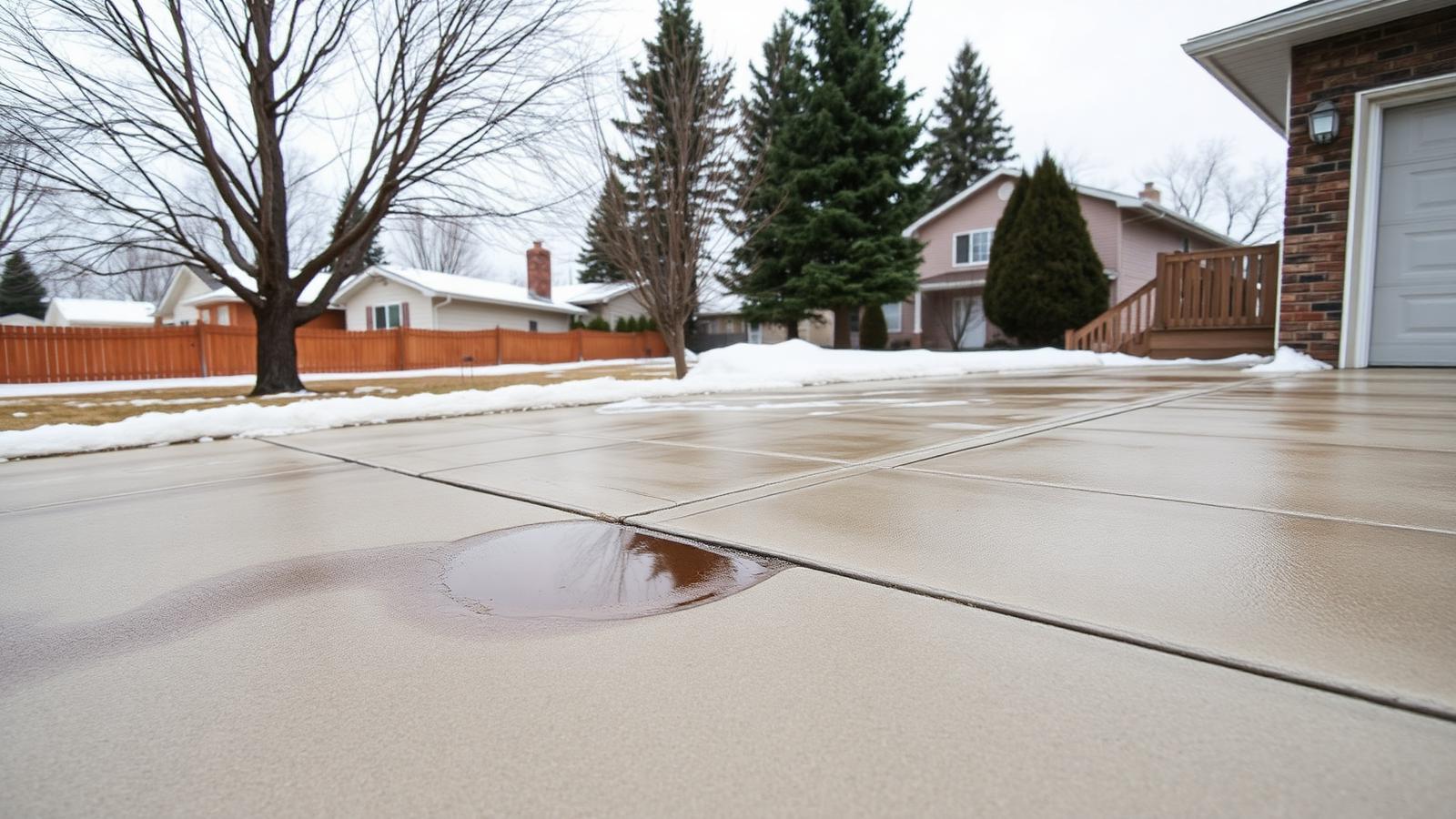
2. Your Driveway Has Started to Sink
Driveways often settle near the garage, expansion joints, or outside edges.
You may notice:
- One corner lower than the rest
- Water collecting after rain
- Tires dipping when entering the driveway
These are common indicators that the supporting soil may have shifted.
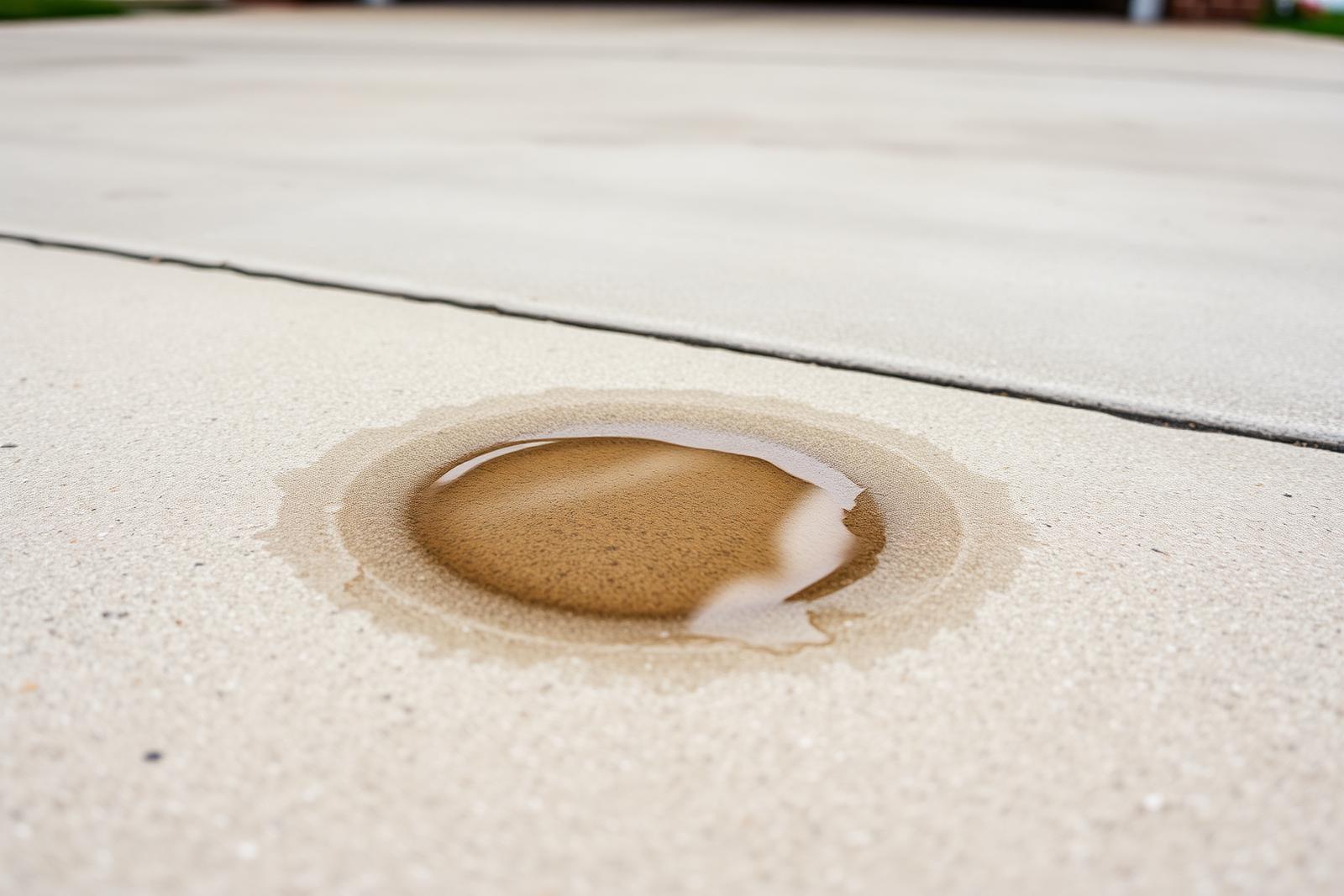
3. Water Pools After It Rains
Standing water isn't just inconvenient.
It often suggests the concrete is no longer draining properly because sections of the slab have settled.
Persistent pooling may also contribute to future soil erosion if left unaddressed. Our guide on water pooling on driveways explores this issue in more detail.
4. Patio Slabs Pull Away From the House
A patio should generally remain stable and properly aligned.
If gaps begin forming between the patio and your home, settlement or soil movement may be contributing to the problem.
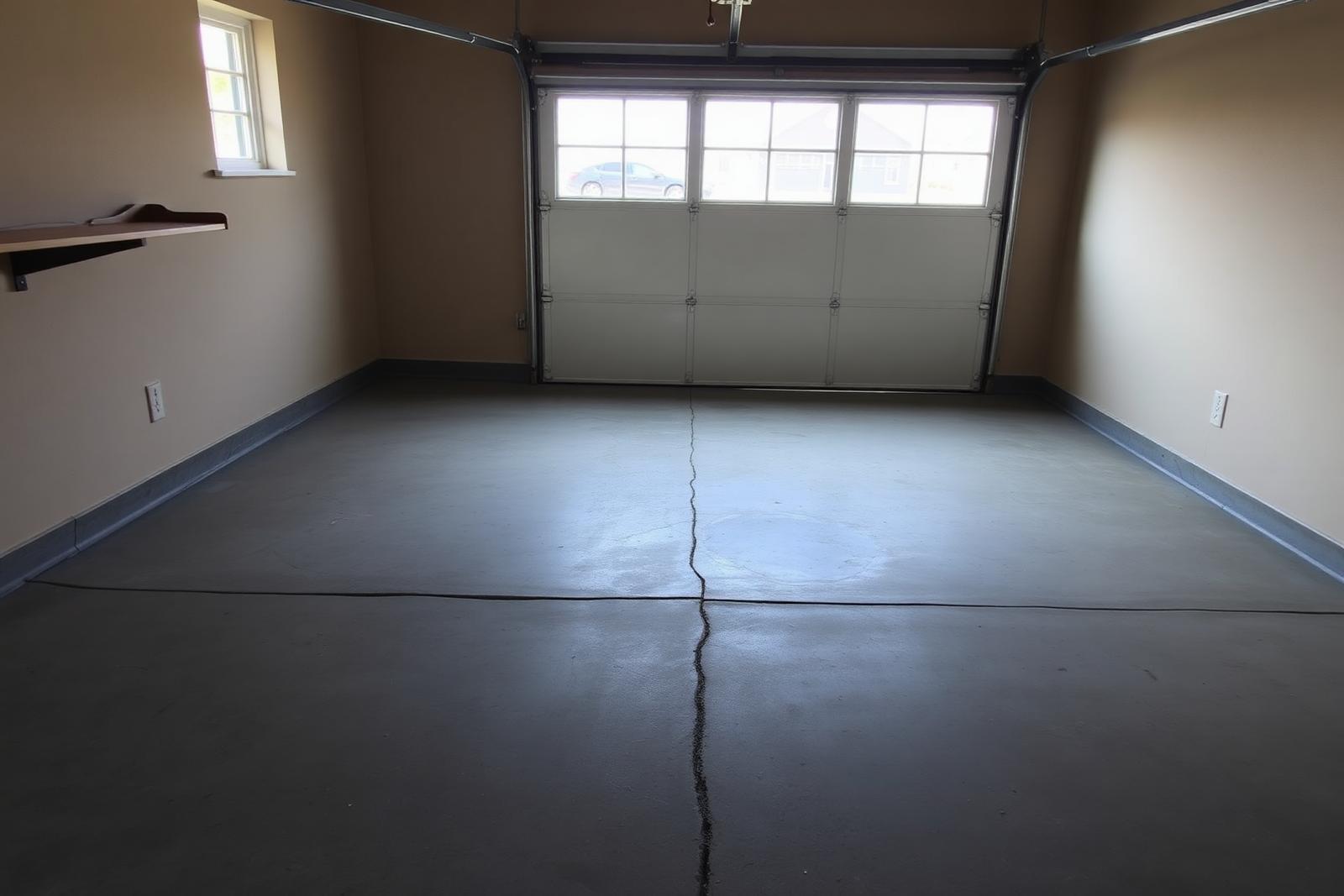
5. Garage Floors Become Uneven
Garage floors can also settle over time.
You may notice:
- Cracks developing
- Uneven floor sections
- Water collecting inside the garage
- Difficulty rolling equipment across the floor
Not every garage floor requires leveling, but these signs warrant a closer look.
6. Cracks Continue to Worsen
Some small concrete cracks are normal.
However, if cracks continue to widen or become uneven because one side has dropped lower than the other, settlement may be involved.
A professional evaluation can help determine whether leveling, crack repair, or replacement is the most appropriate solution. You can also read our article on whether cracked concrete can be leveled.
7. Doors, Gates, or Fences No Longer Line Up
Concrete movement can sometimes affect nearby structures.
If a gate suddenly drags, a fence appears misaligned, or exterior doors become difficult to operate near settled concrete, the surrounding ground movement may be a contributing factor.
Why Early Evaluation Matters
Small settlement issues often become more noticeable over time.
Having uneven concrete inspected early may:
- Improve safety
- Restore proper drainage
- Preserve existing concrete
- Help identify underlying drainage or soil concerns
Every project is different, and the appropriate repair depends on the condition of the slab and the cause of settlement.
When Replacement May Be Necessary
Not every slab is a candidate for leveling.
Replacement may be the better option when:
- Concrete is severely deteriorated
- Structural damage is extensive
- Multiple sections have failed
A professional inspection can help determine the most appropriate repair method. Our comparison of concrete leveling vs. concrete replacement explains when each option may make sense.
Schedule a Free Estimate
If you've noticed one or more of these warning signs, it may be time to have your concrete professionally evaluated.
Spokane Concrete Leveling provides free estimates for homeowners throughout Spokane and nearby communities.
Call 509-355-6406 or request your free estimate online to discuss your project.
For related reading, explore why concrete sinks in Spokane, concrete leveling cost Spokane, polyurethane foam vs mudjacking, and how long does concrete leveling last.